 Mylarith Qynthoril
A beautiful yard does not always require a large budget or hours of weekly maintenance. With the right materials, even an ordinary outdoor space can become more attractive, functional, and easier to care for. One versatile option is rock, which can add texture, define spaces, improve drainage, and create eye-catching focal points.
Whether you have a small suburban yard or a larger property, these six ideas can help you make better use of rock while keeping your landscape practical and inviting.
1. Create a Defined Garden Border
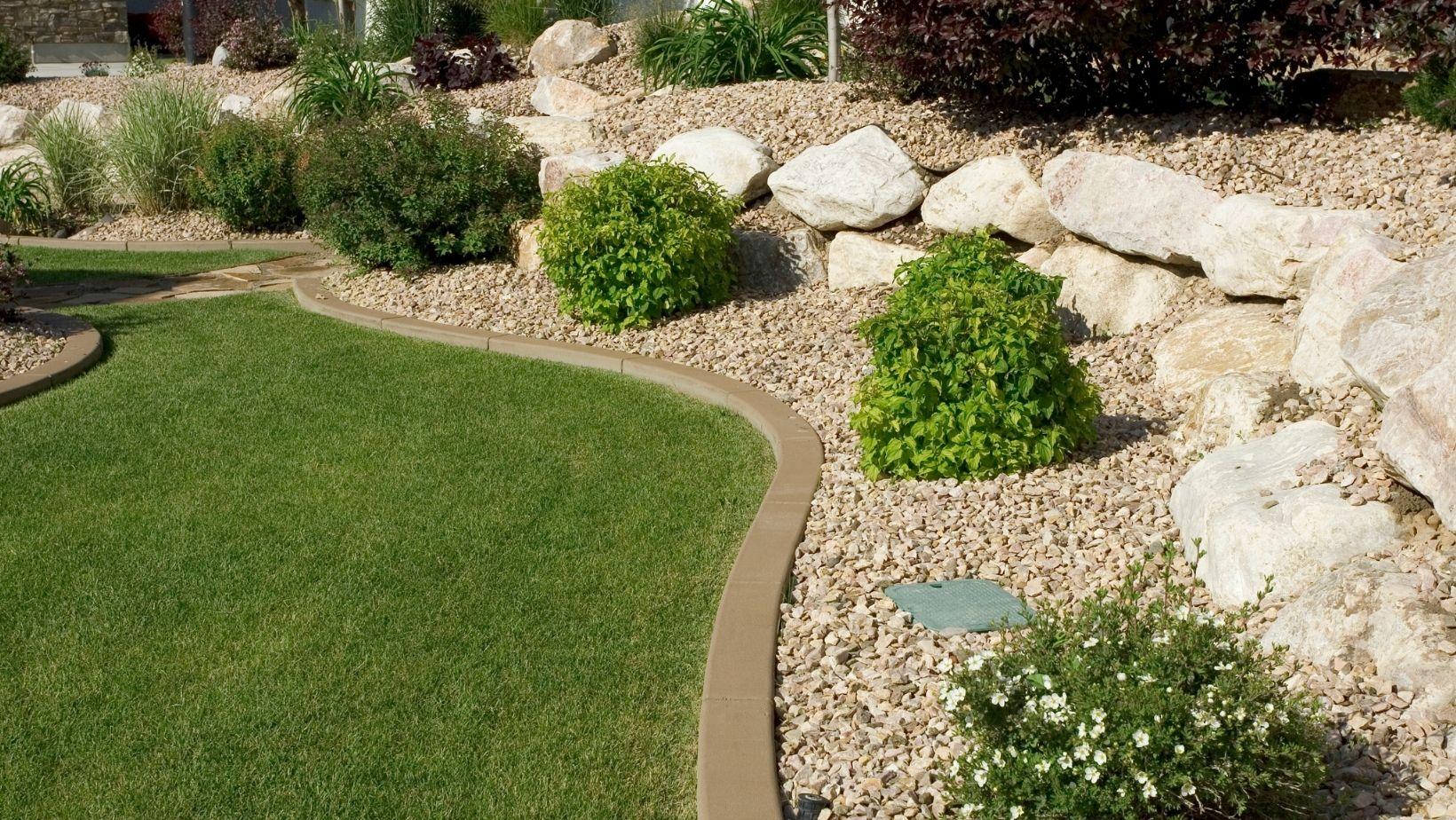
One of the simplest ways to use rock is to create borders around flower beds, trees, or planting areas. A neat rock edge separates garden beds from lawns and walkways while giving the yard a more finished appearance.
Choose rocks that complement the colors and textures already present around your home. For a clean look, use similarly sized stones. A mixture of sizes can create a more natural appearance.
Before installing the border, mark the desired shape and remove grass or weeds along the edge. A shallow trench can help keep the stones in place and make maintenance easier.
2. Build a Low-Maintenance Pathway
Rock can also turn an unused section of the yard into an attractive walking path. Loose stone pathways work particularly well between garden beds, patios, sheds, and other outdoor areas.
Start by planning the route and clearing vegetation. Level the ground, add a suitable base where necessary, and use edging to prevent the material from spreading into surrounding areas.
For comfortable walking, select relatively smooth, compact material rather than very large or sharp stones. Consider how the path will be used before choosing the size and texture.
3. Design a Decorative Dry Creek Bed
A dry creek bed can provide both visual interest and a practical way to manage water runoff. Instead of allowing heavy rain to collect in low areas, a properly designed channel can guide water toward an appropriate drainage point.
Use larger stones along the edges and smaller rocks toward the center to create the appearance of a natural stream. Adding drought-tolerant plants, ornamental grasses, or a few strategically placed boulders can make the feature look more organic.
Before creating a drainage feature, understand how water moves through your property and avoid directing runoff toward your home’s foundation or a neighboring property.
4. Refresh a Bare Area With a Rock Garden
Rock gardens are particularly useful for spaces where traditional grass or plants struggle to thrive. They can combine stones with drought-tolerant plants to create a landscape that requires relatively little ongoing care.
When planning a rock garden, vary the height, shape, and placement of stones rather than arranging everything in a perfectly symmetrical pattern. Place larger rocks first and then fill the gaps with smaller stones.
Plants such as ornamental grasses, sedums, and other regionally appropriate drought-tolerant varieties can add color and softness between the rocks.
5. Make a Tree Stand Out
Trees can become natural focal points when surrounded by a carefully designed rock bed. Rock mulch around a tree can provide a clean transition between the trunk and lawn while helping define the planting area.
If you are considering different materials, compare textures and sizes before buying. A selection of landscape rock can provide options for creating either a polished decorative bed or a more natural-looking arrangement.
Avoid piling material directly against the tree trunk. Leaving adequate space around the trunk helps protect the bark and allows for healthier growing conditions.
6. Create a Striking Patio or Seating Area
Rock can help make an outdoor seating area feel more intentional. Use it around the perimeter of a patio, beneath outdoor furniture, or alongside a fire feature where appropriate.
For example, a narrow rock strip can separate a patio from a lawn, while larger decorative stones can provide visual structure around planting areas. Combining rock with wood, concrete, or greenery can also create contrast and prevent the space from feeling too uniform.
Think about comfort and practicality when selecting materials. Areas where people frequently walk or sit may benefit from flatter, more stable surfaces.
Choosing the Right Rock for Your Yard
The best material depends on the purpose, climate, drainage conditions, and overall style of your property. Consider the rock’s size, color, texture, and durability before making a decision.
It is also worth estimating how much material you need in advance. Buying too little can leave an unfinished area, while purchasing too much can increase costs and create storage problems.
Final Thoughts
Rock can do much more than fill empty spaces in a yard. It can define garden beds, create pathways, improve drainage design, highlight trees, and add structure to outdoor living areas.
The key is to choose materials that suit your home’s style and use them intentionally. With thoughtful placement and a little planning, rock can help create an attractive outdoor space that remains practical and manageable throughout the seasons.