 Craig Pornorey
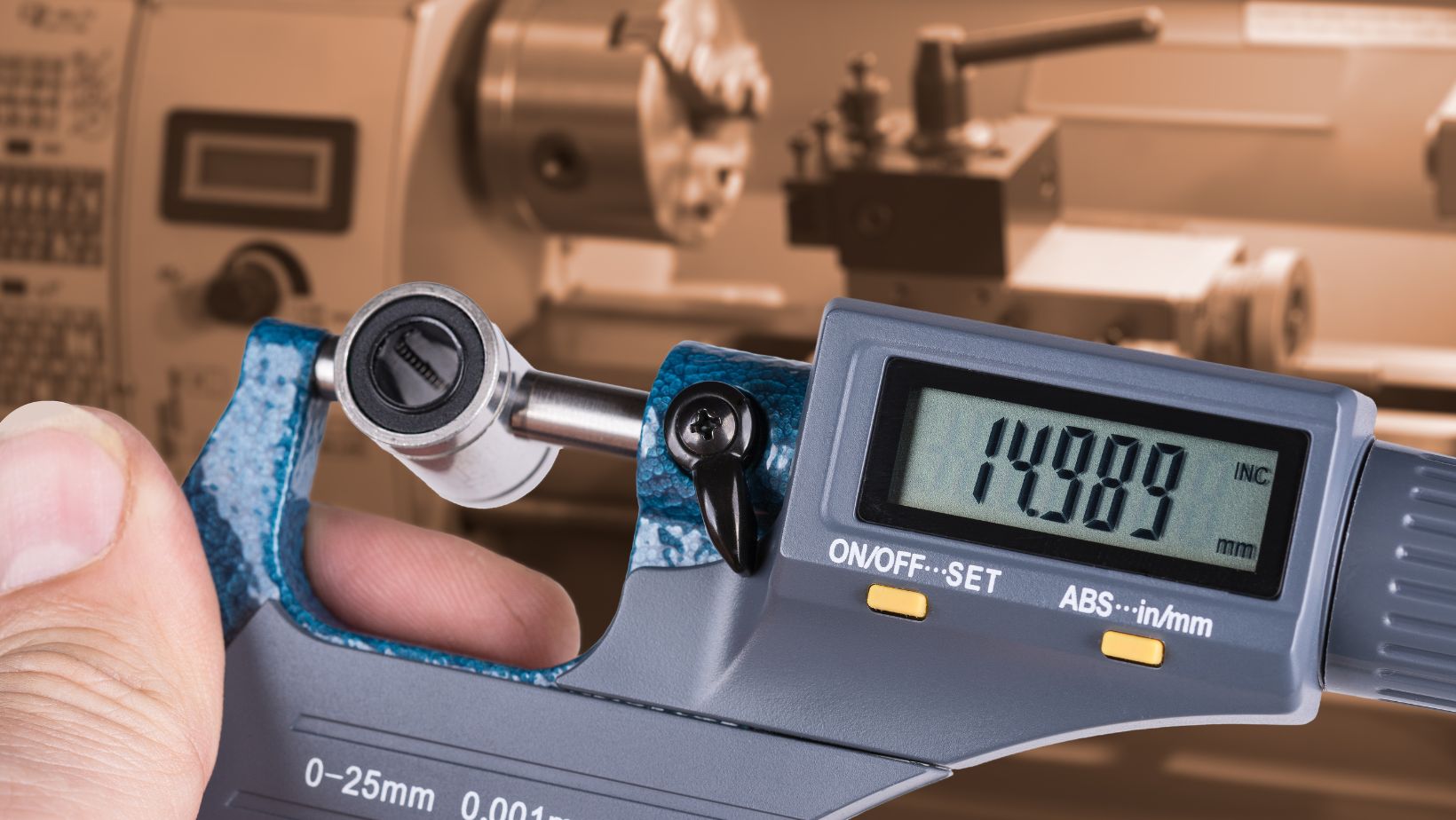
In modern CNC machining, accuracy is everything. Customers expect tight tolerances, consistent finishes, and parts that perform exactly as designed. While advanced CNC machines and quality cutting tools are essential, they are only part of the equation. Without reliable measuring equipment, there is no way to confirm that parts meet specification.
Precision measuring tools are the backbone of quality control in any machine shop. They validate setups, monitor in-process performance, and confirm final dimensions before parts leave the floor. From verifying external dimensions to inspecting internal bores and ensuring proper workholding alignment, the right measurement tools directly impact machining results.
When measurement practices are inconsistent or inaccurate, even the best machining strategies can fail. That’s why investing in proper inspection equipment is not optional—it is critical for accurate machining results.
The Impact of Accurate Measurement
Accurate measurement influences every stage of the machining process. It affects setup, first-article inspection, in-process verification, and final quality checks. If errors are caught early, adjustments can be made before scrap accumulates. If they are missed, entire production runs can become unusable.
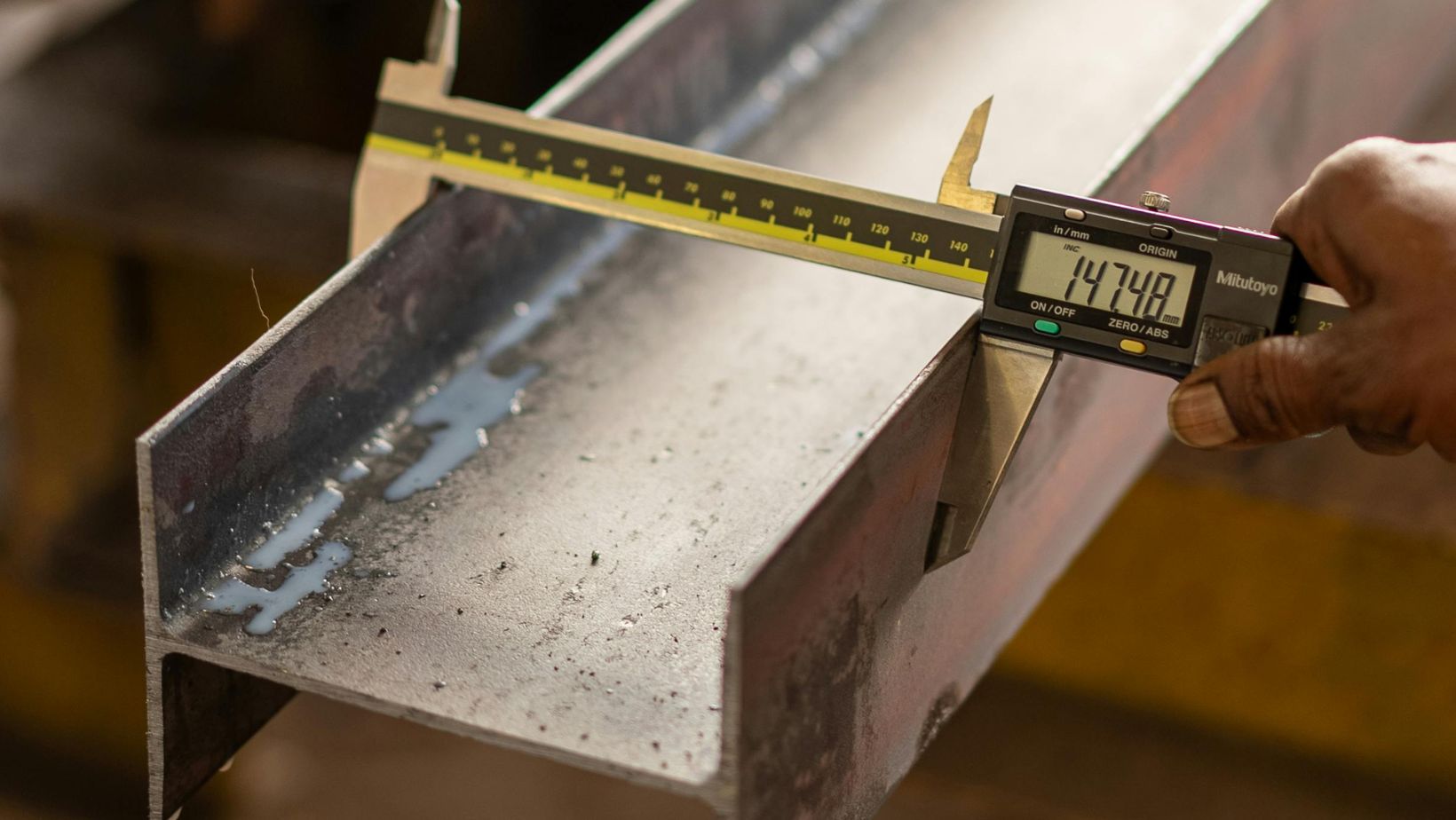
One of the most commonly used inspection tools in a CNC shop is the dial caliper. Dial calipers are versatile instruments capable of measuring outside dimensions, inside diameters, and depths. They are often used during setup and in-process inspections to quickly verify critical measurements.
For many applications, dial calipers provide the speed and flexibility required for efficient shop-floor checks. They allow machinists to confirm dimensions without removing parts from fixtures for extended periods, helping maintain workflow while ensuring accuracy.
However, external dimensions are only part of the picture. Internal features such as bores, recesses, and bearing surfaces require specialized inspection tools. A bore gage is specifically designed to measure internal diameters with high precision. Bore gages help detect taper, out-of-round conditions, and subtle dimensional variations that may not be obvious through visual inspection alone.
The impact of accurate internal measurement cannot be overstated. Components such as housings, sleeves, and mating parts rely on precise bore dimensions for proper fit and function. Even minor deviations can cause assembly issues or premature wear.
Beyond direct measurement, accurate workholding also plays a role in overall precision. Secure clamping systems like lathe collets provide consistent part positioning and concentricity. When parts are held properly, measurement readings become more reliable because the workpiece is not shifting or deforming during machining.
In short, measurement accuracy supports machining accuracy. Without dependable inspection tools, shops are left guessing rather than verifying.
Tools That Ensure Machining Precision
High-accuracy machining requires a structured approach to measurement. It is not enough to measure parts occasionally—inspection must be integrated into daily operations.
Dial Calipers for Versatile Checks
Dial calipers remain a staple in machine shops because of their flexibility. They are ideal for measuring part thickness, outer diameters, slot widths, and depths. Their clear mechanical display allows for quick readings without relying on digital batteries or electronics.
For general tolerance ranges, dial calipers provide a reliable balance of speed and accuracy.
Bore Gages for Internal Verification
When tolerances tighten and internal features become critical, bore gages are essential. These tools provide greater sensitivity for internal measurements and can detect slight taper or ovality within machined holes. By incorporating bore gages into inspection routines, shops reduce the risk of assembly failures caused by improperly sized bores.
Lathe Collets for Consistent Part Holding
While not a measuring tool in the traditional sense, lathe collets contribute directly to machining precision. Collets grip parts evenly around their circumference, improving concentricity and minimizing runout. When workpieces are held securely and consistently, measurement readings become more accurate and repeatable.
Using reliable collets ensures that dimensional verification reflects true part geometry rather than distortion caused by unstable clamping.
Building a Measurement-Driven Machining Process
To fully benefit from precision measuring tools, shops should establish a structured inspection workflow.
Start with first-article inspections. Measure critical features before committing to a full production run. Use dial calipers for quick checks and bore gages for internal tolerances that require closer monitoring.
Next, implement in-process inspection intervals. Rather than waiting until the end of a batch, verify dimensions periodically. This prevents tool wear or offset drift from creating large quantities of scrap.
Finally, ensure all measuring tools are calibrated regularly. Even high-quality instruments can drift over time. A consistent calibration schedule maintains confidence in inspection results.
Training also plays an important role. Operators must understand proper measuring techniques to avoid inconsistent pressure or misalignment that can affect readings.
When precision measuring tools are used correctly and consistently, machining accuracy improves across the board.
Conclusion
Precision measuring tools are critical for accurate machining results because they provide the verification needed to maintain tight tolerances and consistent quality. Tools like the dial caliper allow machinists to quickly confirm external dimensions, while a bore gage ensures internal features meet specification. At the same time, reliable workholding solutions such as lathe collets support concentricity and dimensional stability.
By integrating precise measurement tools into every stage of the machining process—from setup to final inspection—CNC shops can reduce scrap, improve repeatability, and deliver dependable results. In today’s competitive manufacturing environment, measurement is not just a support function—it is the foundation of machining precision.