 Qyndarix Thalendros
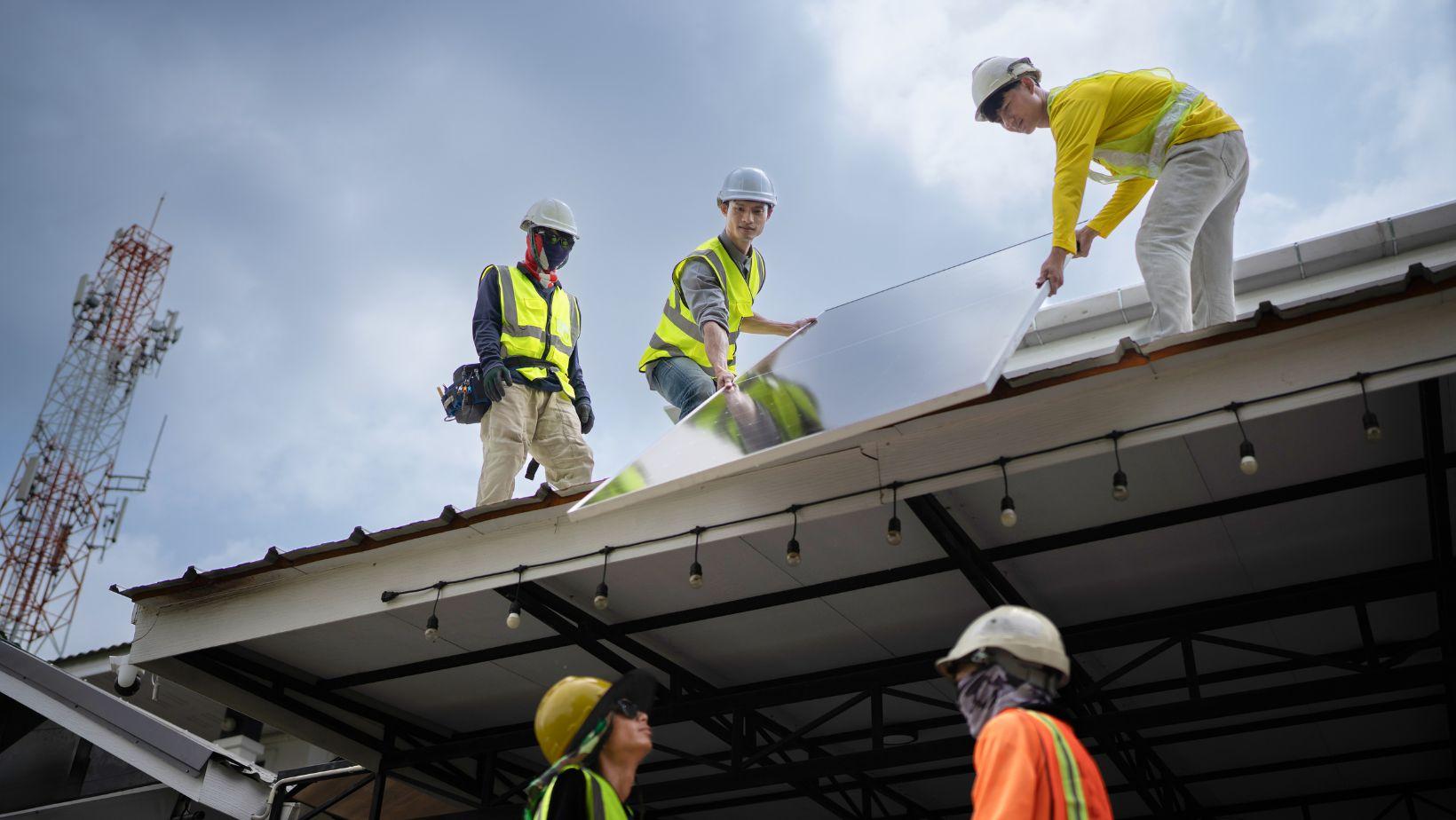
Roofing remains one of the most demanding trades in the construction industry. Whether installing new roofs, repairing storm damage, or working on commercial developments, roofers regularly operate at height and handle heavy materials in changing weather conditions. On active job sites, safety hard hats are a critical piece of safety equipment, helping protect workers from falling tools, debris, and accidental impacts.
Why Roofing Requires Extra Safety Measures
Unlike many other trades, roofing combines physical labor with elevated work environments.
Common roofing hazards include:
- Falls from ladders or scaffolding
- Falling materials
- Slippery roof surfaces
- Strong winds
- Power tool accidents
- Heat exposure during summer months
Proper planning helps reduce many of these risks before work begins.
Preparing a Roofing Site
A safe roofing project starts before workers even climb onto the roof.
Preparation often includes:
- Inspecting ladders and access points
- Checking weather forecasts
- Securing materials properly
- Creating exclusion zones below work areas
- Conducting safety briefings
Good preparation helps prevent delays and improves overall efficiency.
The Importance of Team Communication
Roofing projects often involve multiple workers operating in different areas simultaneously.
Strong communication helps:
- Coordinate material movement
- Reduce confusion
- Improve productivity
- Identify hazards quickly
Many successful roofing companies make communication a key part of their daily routine.
Equipment Maintenance Matters
Roofing tools and equipment are exposed to significant wear and tear.
Items that require regular inspection include:
- Harnesses
- Ladders
- Scaffolding
- Nail guns
- Power tools
Well-maintained equipment improves both safety and performance.
Building a Successful Roofing Business
For roofing contractors, safety and professionalism often go hand in hand.
Customers value companies that demonstrate:
- Reliable communication
- Clean job sites
- Skilled workmanship
- Strong safety practices
- Professional project management
These qualities help generate repeat business and referrals.
Why Training Never Stops
Roofing materials, installation methods, and safety standards continue to evolve.
Ongoing training helps contractors:
- Stay compliant with regulations
- Learn new installation techniques
- Improve efficiency
- Reduce workplace accidents
Investing in training often leads to better project outcomes.
Final Thoughts
Roofing offers excellent career opportunities for skilled tradespeople, but it also demands a strong commitment to safety. By focusing on preparation, communication, equipment maintenance, and professional standards, roofing contractors can complete projects more efficiently while protecting both workers and clients.