 Mylarith Qynthoril
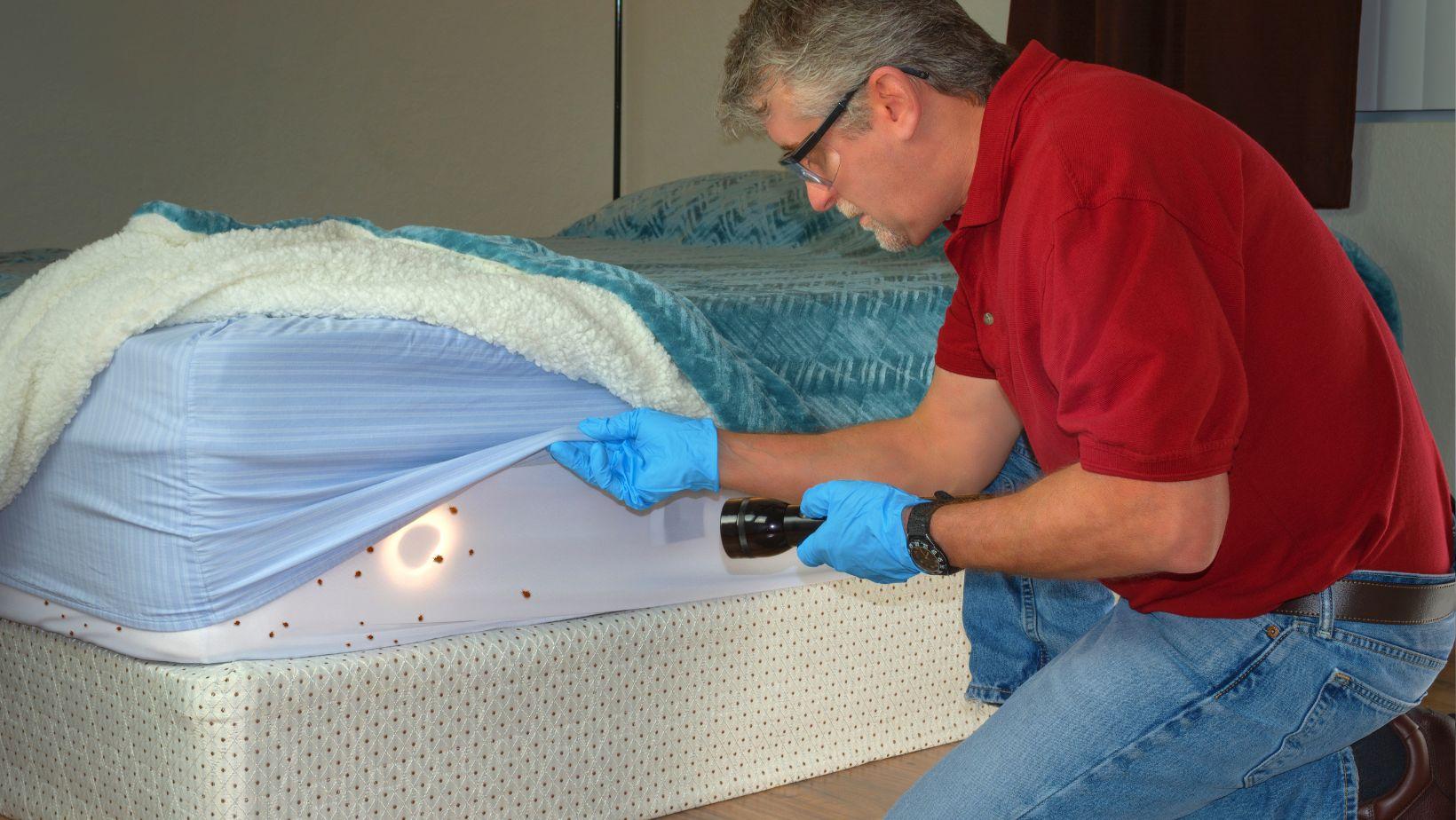
Bed bugs are experts at living just out of sight. They tuck themselves into mattress seams, behind headboards, inside upholstered furniture, under loose carpet edges, and even within cracks in skirting boards. That talent for hiding is exactly why they’re so difficult to eliminate. You may wash bedding, vacuum thoroughly, and still miss the insects and eggs that remain protected in places you never think to check.
Heat treatment has become one of the most discussed approaches for this reason. Unlike surface sprays, heat can move through an entire space and reach areas that are hard to access physically. But that doesn’t mean it works by simply making a room feel hot. Effective bed bug heat treatment depends on how heat behaves in real environments, how long it is held, and whether hidden “cold spots” are identified and managed.
Why Hidden Spaces Matter So Much
A bed bug infestation rarely stays confined to the mattress. Once populations grow, bugs spread outward in search of harborage close to people. They prefer narrow, dark spaces where their bodies can stay in contact with surfaces above and below. That means the places they thrive often act like insulation pockets, slowing down temperature change.
This matters because bed bugs and their eggs do not die the instant air in a room warms up. They die when their bodies are exposed to lethal temperatures for long enough. In practical terms, the air temperature is only part of the story. The real target is the temperature inside seams, behind wall-mounted items, beneath fabric folds, and within furniture joints.
That’s where many failed treatments go wrong. A room may register as hot on a thermostat while pockets inside belongings remain cooler. Thick materials, clutter, and poor airflow all create safe zones if the process is not carefully controlled.
How Heat Actually Reaches Bed Bug Harbourages
Heat doesn’t move through a room in one uniform wave. It penetrates hidden spaces through a combination of airflow, surface warming, and time. Understanding those mechanisms makes it easier to see why professional treatment is more technical than it sounds.
Convection: Moving Hot Air Into the Space
The first step is raising ambient temperature with specialist heaters. This hot air circulates through the room, warming exposed surfaces and pushing heat into gaps and voids. Fans are critical here. Without strong air movement, warm air pools near the ceiling while cooler air lingers under beds, inside drawers, and behind bulky furniture.
Good airflow helps heat wrap around objects rather than just pass over them. It also reduces the chance of untreated zones, especially in crowded bedrooms where bed bugs often have the most hiding places.
Conduction: Heating the Materials Themselves
Once surfaces warm up, heat starts moving inward through direct contact. A wooden bed frame, for example, absorbs heat from the surrounding air, then transfers it deeper into cracks and screw holes where bugs may be hiding. The same is true for mattresses, upholstered chairs, and floor edges.
This process takes time. Dense materials don’t heat instantly, which is why successful treatments are maintained for hours rather than minutes. If the treatment ends too soon, the exterior of an object may be hot enough while the interior remains survivable.
Around this stage, it helps to understand how treatment professionals plan for those difficult zones. If you want a clearer picture of how technicians manage room temperatures, airflow, and monitoring to reach concealed harbourages, you can find professional heat-based pest control methods that explain the process in more practical detail.
Radiant Heat: Supporting Hard-to-Reach Areas
Radiant heat also plays a role, though it’s less predictable on its own. Warm surfaces emit heat toward nearby objects, helping elevate temperatures in adjacent spaces. In a properly managed treatment, radiation supports the overall heating pattern, but it cannot compensate for blocked airflow or densely packed clutter.
The Challenge of Cold Spots
If there is one reason bed bug heat treatments fail, it’s cold spots. These are areas that remain below lethal temperatures even while the rest of the room appears adequately heated. Common examples include:
- the centre of piled clothing or stored textiles
- behind thick headboards or large furniture pressed against walls
- inside overfilled drawers, luggage, and storage boxes
- along external walls, window recesses, or uninsulated floor edges
Cold spots happen because heat follows resistance. It moves fastest through open air and most slowly through tightly packed, dense, or shielded materials. That’s why preparation matters. Rooms are often staged so air can circulate around furniture, drawers may be opened, and clutter reduced. The goal is not simply to “make everything hot” but to remove the barriers that stop heat from penetrating deeply enough.
Why Monitoring Matters More Than Raw Temperature
A common misconception is that successful treatment depends only on reaching a headline number, such as 50°C or 60°C. In reality, temperature monitoring throughout the room is what tells you whether the treatment is actually working.
Professionals use remote sensors or probes in representative trouble spots: inside mattresses, behind furniture, near skirting boards, and within insulated materials. That data reveals whether hidden areas have reached lethal temperatures and held them long enough to kill both active insects and eggs.
This is especially important because eggs are often more resilient than adult bed bugs. You can create a room that feels almost unbearably hot to a person and still leave behind viable eggs in protected spaces if the interior temperature of those harbourages doesn’t climb sufficiently.
Why DIY Heat Often Misses the Hidden Problem
Portable heaters and household devices can raise a room’s temperature, but they usually lack the airflow control, output, and monitoring needed for full penetration. More importantly, DIY efforts often focus on what’s visible: the bed, the bedding, the open floor. Bed bugs are relying on the opposite. They survive by occupying the places you can’t easily treat or measure.
There are also practical risks. Excessive or uneven heating can damage electronics, adhesives, finishes, and some synthetic materials. Too little heat, on the other hand, can scatter bed bugs into neighbouring rooms without eliminating them.
Heat Works Best When It’s Treated as a System
The real strength of heat treatment is not that it kills on contact. It’s that, when properly applied, it turns an entire room into a controlled environment where bed bugs lose the protection of their hiding places. But hidden areas only become vulnerable when heat is distributed evenly, monitored carefully, and held long enough to penetrate the materials where bugs actually live.
That’s the part worth remembering: bed bug control is not about surface conditions. It’s about what’s happening inside the seams, joints, folds, and voids that most people never see. Heat can reach those places, but only when the treatment is designed around how bed bugs hide and how heat really moves.