 Mylarith Qynthoril
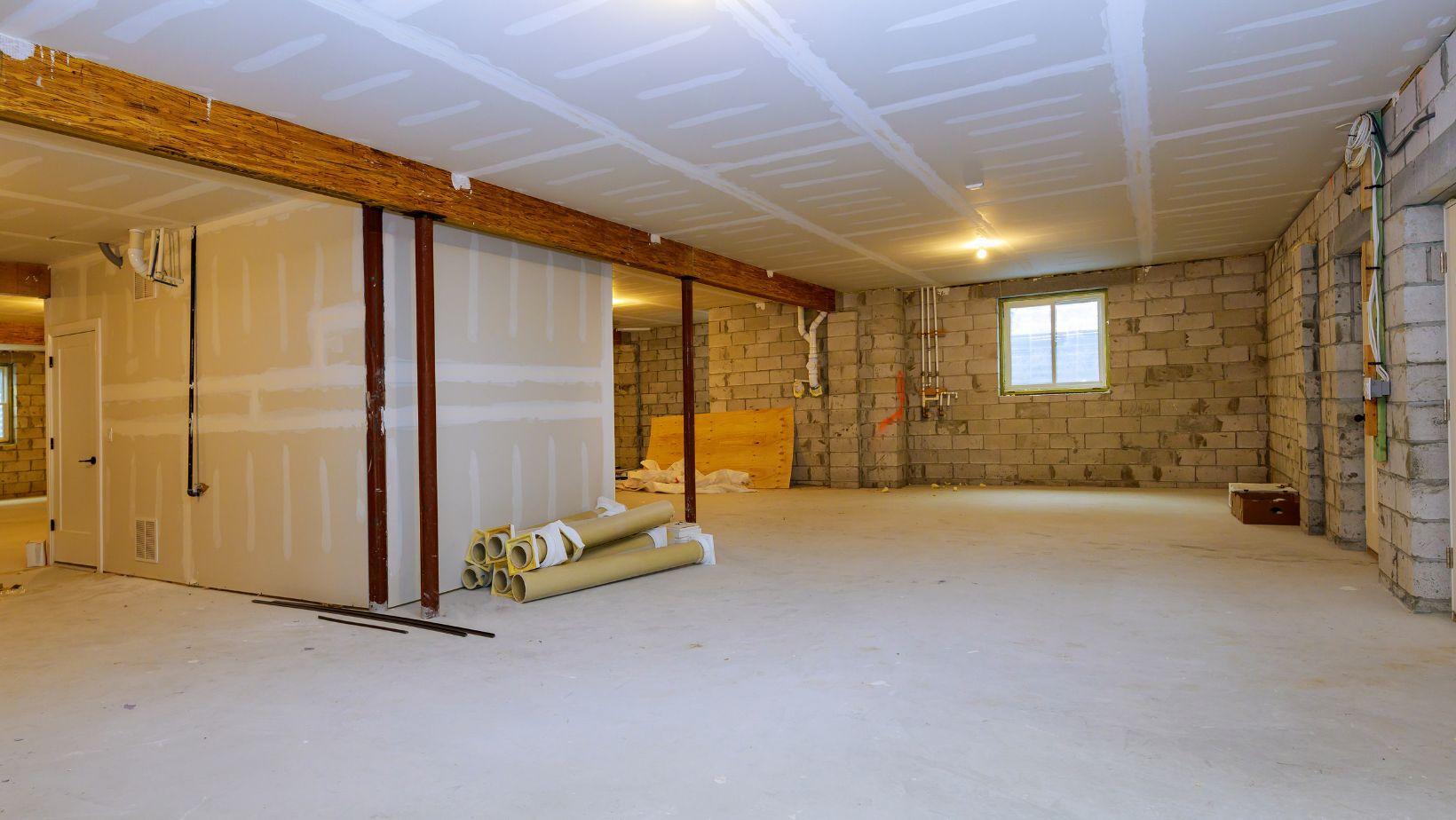
A basement can be one of the most useful parts of a home, or it can become the place where old boxes, unused furniture, broken tools, and seasonal decorations go to disappear. Many homes have good basement space sitting under them, but the area feels too cold, too dark, too damp, or too awkward to use properly.
Iconiq Construction demonstrates how thoughtful planning, practical design choices, and cost-conscious upgrades can transform an underused basement into a more functional and valuable living space without exceeding a reasonable budget.
Renovating it can make a real difference. Not every basement needs a luxury theatre room, a full bar, custom cabinets, heated floors, and a designer ceiling. Some families simply need a cleaner, warmer, drier space that works better for everyday life.
That is where smart planning matters. A basement renovation should improve the home without turning into a spending trap. A renovation works best when it starts with real life. Light where it is needed, moisture kept under control, storage that solves actual problems, flooring that can handle traffic, comfortable walls and a layout that fits the family’s habits.
For homeowners planning Basement renovations Edmonton projects, the goal should be to create a dry, comfortable, and usable space without wasting money on features the family may never use. A good basement should not only look nice on the first day. It should keep working for years.
Start With the Real Problem: Moisture
Before thinking about paint colours, flooring samples, sofas, or entertainment units, the basement needs to be dry. This sounds obvious, but it is where many renovation mistakes begin. A damp basement with new flooring is still a damp basement. Fresh drywall will not fix a water issue. New carpet will not hide a musty smell for long.
Moisture can show up in different ways. Some basements have visible leaks. Others have condensation, cold walls, musty corners, damp concrete, efflorescence, or a smell that returns after every rainy week. Even small moisture problems can damage finishes and make the space uncomfortable.
So the first smart renovation idea is not glamorous. Check the basement properly. Look at the foundation walls, floor cracks, window wells, sump pump, drainage, exterior grading, and any sign of past water entry. If there is a problem, solve it before finishing the space.
A dry basement gives every other upgrade a better chance. Flooring lasts longer. Walls stay cleaner. Furniture does not pick up that basement smell. The room feels less like storage and more like part of the home.
Create a Room the Family Will Actually Use
A common mistake is designing a basement for an imaginary lifestyle. Someone sees a stunning home theatre online and decides they need one too. Then the room gets used twice a year. Or a huge wet bar is installed, but no one entertains that way. Or a home gym is planned, but the family prefers walking outside.
The smarter question is simple: what does your home lack right now?
If the upstairs living room is always crowded, the basement can become a second lounge. If children need a place to play, create a durable playroom with storage. If someone works from home, a quiet office may be more useful than a giant media wall. If relatives visit often, a guest area may add real value. If the house is short on storage, built-in shelves and closed cabinets may matter more than fancy décor.
A basement does not need one dramatic purpose. It can work as a mixed-use space. A sitting area, small desk, storage wall, and open floor space can serve a family better than one expensive theme.
Good design begins with honesty. Build for the life you have, not the version that looks best in a catalogue.
Keep the Layout Open Where Possible
Basements can feel smaller than they are because of low ceilings, posts, mechanical areas, narrow windows, and limited natural light. Cutting the space into too many rooms can make it feel even tighter.
An open or semi-open layout usually works better. It allows light to travel farther and gives the basement more flexibility. One large family area can be used for movies, children’s activities, exercise, hobbies, or guests depending on the day.
That does not mean everything should be exposed. Mechanical rooms, laundry areas, storage zones, and utilities still need to be organized and sometimes enclosed. The trick is to avoid unnecessary walls. Every wall adds cost, reduces light, and limits future use.
Where separation is needed, half-walls, sliding doors, shelving units, rugs, ceiling changes, or lighting zones can define areas without making the basement feel chopped up.
Flexibility saves money because the space can change as the family changes.
Spend on Lighting, Not Just Finishes
Basements often feel dull because they rely on one or two weak ceiling lights. Even a renovated basement can feel unfinished if the lighting is flat.
Good lighting does not always mean expensive fixtures. It means layers. Recessed lights can brighten the main area. Wall lights can soften corners. Some areas need their own light. A desk, laundry bench, hobby table or reading spot will usually feel better with focused lighting. Under-shelf LED strips or soft lighting around a media wall can add warmth too, without making the room look busy.
Natural light should also be respected. If the basement has windows, avoid blocking them with bulky furniture or dark curtains. Lighter wall colours can help bounce light around the room. Mirrors can work in some spots, though they should be used carefully, not randomly.
A basement with better lighting instantly feels more livable. People are more likely to use it because it no longer feels like the lower, forgotten part of the house.
Choose Durable Flooring
Basement flooring has to handle more than normal foot traffic. It may face moisture, temperature changes, kids, pets, storage boxes, laundry spills, and the occasional dragged piece of furniture.
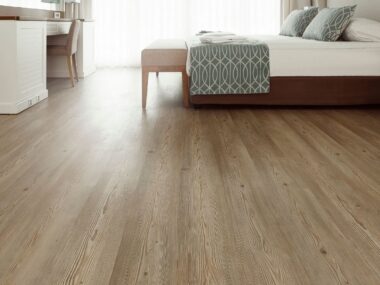
That is why delicate flooring is usually a poor choice. Homeowners often do better with practical materials such as vinyl plank, tile, engineered options designed for basements, or other moisture-resistant surfaces. Carpet can feel warm, but it should be chosen carefully in a basement environment. If there is any moisture concern, carpet can become a problem.
Durability does not mean ugly. Many modern flooring options look clean and comfortable without being high maintenance. A smart floor should suit the room’s purpose. A playroom needs something easy to clean. A guest room needs comfort. A gym corner needs impact resistance. A laundry zone needs water tolerance.
Flooring is one of those decisions where saving too aggressively can backfire. But overspending is not necessary either. Choose something tough, suitable, and realistic.
Use Built-In Storage to Reduce Clutter
A finished basement can quickly become messy if storage is not planned. The same clutter that lived there before the renovation will return unless it has somewhere better to go.
Storage should be part of the design from the beginning. Built-in cabinets, shelves, under-stair storage, closed closets, benches with storage, and organized utility areas can keep the basement usable. Closed storage is especially helpful because it hides the visual noise of boxes, tools, toys, cleaning supplies, and seasonal items.
Open shelves can look nice, but only if they are not overloaded. A mix of open and closed storage usually works better. The basement can still feel designed, but the family has room for real life.
This is one of the most useful ways to spend renovation money. A beautiful basement that has no storage will not stay beautiful for long.
Keep the Ceiling Practical
Basement ceilings can be tricky because of pipes, ducts, wires, beams, and access points. Some homeowners want everything sealed behind drywall for a cleaner look. Others prefer drop ceilings because they allow easier access.
There is no single right answer. Drywall can make a basement ceiling look smooth and finished, but it also hides pipes, wires and other things that may need attention later.
A good drop ceiling is often easier to live with and does not have to look outdated. In basements with limited height, painting the exposed ceiling can also make sense, especially when a more industrial look fits the room.
The smartest choice depends on ceiling height, budget, mechanical access, and the style of the basement. Do not choose a ceiling only for appearance. Think about what may need to be reached later.
A basement should be attractive, but it should not trap the home’s important systems behind expensive finishes with no plan for access.
Add Comfort Without Overbuilding
Basements are naturally cooler. That can be pleasant in summer and uncomfortable in winter. Comfort should be part of the renovation plan, but it does not always require luxury spending.
Insulation, proper wall finishing, draft control, good flooring underlayment, rugs, warm lighting, and thoughtful furniture placement can all improve comfort. In some cases, heating improvements may be needed. In others, the basement simply needs better planning around existing systems.
Sound also matters. If the basement will be used as a TV room, office, bedroom, or play area, sound transfer should be considered. Simple insulation and layout decisions can make the space feel more private and less echoey.
Comfort is not about adding every upgrade. It is about removing the reasons people avoid the basement.
Avoid Trend Features That May Not Age Well
Trendy basements often look exciting at first, then dated a few years later. Very bold wall treatments, oversized bars, unusual flooring, heavy themed rooms, and expensive built-ins can limit future use.
A better approach is to keep the permanent elements clean and adaptable. Walls, floors, ceiling, lighting, and major built-ins should be fairly timeless. Personality can come through furniture, art, rugs, cushions, shelving décor, and smaller details that can be changed later.
This is especially important if resale value matters. A future buyer may not share your exact taste, but they will appreciate a dry, bright, comfortable, flexible basement.
When planning Basement renovations Edmonton, homeowners should think about both present needs and future flexibility. A space that can shift from playroom to office to guest room is usually more valuable than a space locked into one narrow purpose.
Where to Spend and Where to Save
Basement renovation budgets can disappear quickly. The secret is not to choose the cheapest option everywhere. It is to spend on the things that affect performance and daily use, then save on details that can be upgraded later.
Spend on moisture control, insulation, safe electrical work, proper framing, durable flooring, lighting, ventilation, and good workmanship. These are the bones of the basement. If they are done badly, the whole renovation suffers.
Save on movable furniture, decorative pieces, luxury fixtures, complicated custom features, oversized entertainment systems, and finishes chosen only to impress. Those items may be nice, but they are not always necessary.
A simple, well-built basement often serves a family better than an overdesigned one. The room should feel finished, but it should not feel like every dollar was forced into it.
FAQs About Basement Renovations
What is the first thing to check before renovating a basement?
Moisture. Do not cover up a basement problem too soon. If there are leaks, dampness, musty smells or drainage concerns, those need to be fixed before the walls and floors go in.
How can I renovate a basement on a practical budget?
Start with what will make the basement easier to use every day: dryness, lighting, flooring, storage, insulation and a flexible layout. Skip costly features that look good on paper but do not fit how the space will actually be used.
What basement feature adds the most usefulness?
It depends on the home, but storage, a second living area, a home office, or a guest space often add strong practical value.
Should a basement be open concept?
Often, yes. A more open basement usually feels bigger and easier to light. Closed rooms can still be worked in where they are needed, such as for storage, utilities or a private area.
Is basement renovation worth it?
It can be, especially when the basement becomes dry, comfortable and useful enough to be part of daily life.A finished basement can improve daily living and may support long-term home value.
Final Thoughts
A smart basement renovation is not about copying the most expensive design online. It is about turning unused or uncomfortable space into something the household genuinely needs.
Start with dryness. Plan around real life. Keep the layout flexible. Choose durable materials. Add lighting that makes the room feel alive. Build enough storage so the space does not slide back into clutter. Spend money on the parts that matter and stay careful with features that may only look good for a short time.
The best basement is not necessarily the fanciest one. It is the one people actually use.
Things You Can Do to Prolong the Life of Your AC Unit