 Mylarith Qynthoril
Most plumbing problems are disruptive. Some are expensive. A smaller number are true emergencies.
The distinction matters, because calling something an emergency when it can safely wait may cost you more than necessary. On the other hand, brushing off a serious issue can lead to structural damage, contamination, and a much larger repair bill by the next morning. So how do you tell the difference?
In simple terms, a plumbing emergency is any issue that creates an immediate risk to health, safety, or property. If water is escaping uncontrollably, wastewater is coming back into the home, or a core system has failed in a way that makes the property unsafe or unlivable, you’re no longer dealing with a routine repair.
The Difference Between Urgent and Inconvenient
Not every plumbing fault needs a same-night callout. A dripping tap is annoying. A slow drain is inconvenient. A toilet that won’t stop overflowing is something else entirely.
A useful test is to ask three questions. First, is the problem actively causing damage right now? Second, does it create a sanitation or health risk? Third, can it be isolated safely until normal business hours? If the answer to the first or second question is yes, or the answer to the third is no, it’s likely an emergency.
Why timing matters
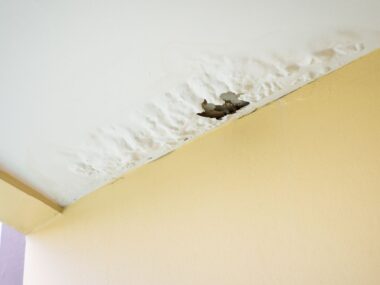
Water damage moves quickly. A burst pipe can soak flooring, plaster, insulation, and electrical points in a surprisingly short time. Even a smaller leak hidden behind a wall can create serious problems if it runs overnight. And once moisture gets into building materials, you’re not just dealing with plumbing anymore. Drying, restoration, and mould prevention become part of the equation.
That’s why emergency judgment isn’t just about the size of the leak. It’s about the consequences of waiting.
Plumbing Problems That Usually Count as Emergencies
Some situations almost always justify immediate action.
Burst pipes and major leaks
If a pipe has ruptured or a fitting has failed and water is flowing freely, that’s an emergency. The first priority is to shut off the water supply if you can do so safely. After that, the goal is to limit damage and get the fault assessed as quickly as possible.
This is especially true in lofts, airing cupboards, kitchens, and any area near electrics. A leak under a sink may seem manageable until you realise water has already spread into cabinetry, flooring, and adjoining rooms.
Sewage backups and overflowing drains
Few issues are more urgent than wastewater coming back into the property. If toilets, floor drains, or external gullies are backing up, you’re dealing with a contamination risk as well as a plumbing one. Foul odours, multiple blocked fixtures, or water rising where it shouldn’t are all warning signs that the problem is beyond a simple plunger fix.
In cases like that, fast access to professional drainage and plumbing support across Essex can make the difference between a contained repair and a much larger cleanup involving sanitation and damaged interiors.
No water supply
A total loss of water can also be an emergency, particularly if it affects the whole property and isn’t related to a known utility outage. If you can’t access drinking water, wash facilities, or basic sanitation, the home may no longer be reasonably functional.
This becomes more urgent in households with young children, elderly residents, or anyone with medical needs.
Boiler leaks or sudden loss of hot water in winter
No hot water is not always an emergency. In mild weather, one failed shower may be frustrating rather than critical. But context matters. A leaking boiler, signs of pressure failure, or complete heating and hot water loss during freezing conditions can quickly move into emergency territory, especially if there’s a risk of frozen pipes or unsafe temperatures indoors.
Problems That Are Serious but Can Often Wait
Some issues need repair soon, just not immediately.
Slow drains, minor drips, and isolated fixture faults
A basin that drains slowly, a tap that drips, or a toilet that runs intermittently should be booked in, but these are rarely emergencies on their own. The same goes for one blocked sink when the rest of the plumbing is working normally.
That said, patterns matter. A single slow drain may be routine. Several slow drains at once can point to a deeper blockage in the system.
Low water pressure
Low pressure can signal anything from a simple valve issue to a developing leak. If the drop is sudden and severe, investigate promptly. If it’s mild and stable, it usually allows time for a scheduled visit.
What to Do Before Help Arrives
The first few minutes after discovering a serious plumbing problem can limit the eventual cost dramatically.
If it’s safe, shut off the main water supply. If a specific appliance or fixture has an isolation valve, use that instead where possible. Turn off electricity only if water is near sockets, wiring, or appliances and you can do so without risk. Move valuables, towels, and soft furnishings away from the affected area. Take photos too; they can be useful for insurance claims and contractor assessment.
Just as important is knowing what not to do. Don’t keep flushing a toilet that’s backing up. Don’t pour chemical drain cleaners into a system that may already be blocked deeper down. And don’t ignore small signs like staining, banging pipes, or recurring clogs simply because the water eventually disappears.
Prevention Is Cheaper Than Emergency Response
Most plumbing emergencies don’t come completely out of nowhere. They’re often preceded by smaller clues: declining drainage, odd smells, fluctuating pressure, visible corrosion, or recurring leaks that were temporarily patched rather than properly repaired.
Routine checks can catch many of these issues early. Know where your stopcock is. Pay attention to changes in boiler pressure. Insulate vulnerable pipework before winter. And if a drain repeatedly blocks, treat that as a warning, not bad luck.
The broad rule is straightforward. If a plumbing problem threatens your home, your health, or your ability to use essential water services safely, treat it as an emergency. If it’s contained, stable, and inconvenient rather than dangerous, you can usually schedule it for normal working hours.
Knowing the difference won’t stop plumbing problems from happening. But it will help you respond calmly, protect your property, and make smarter decisions when time matters.