 Craig Pornorey
External wall insulation can significantly improve the comfort, appearance and energy performance of a property. However, it is also a substantial home improvement project that requires careful planning, appropriate materials and an experienced installation team.
Before requesting quotations, homeowners should understand how the system works, what influences the final price and which questions should be asked before selecting a contractor. A cheaper quotation is not always the most cost-effective option, particularly if important preparation work, suitable fixings or finishing materials have been excluded.
What Is External Wall Insulation?
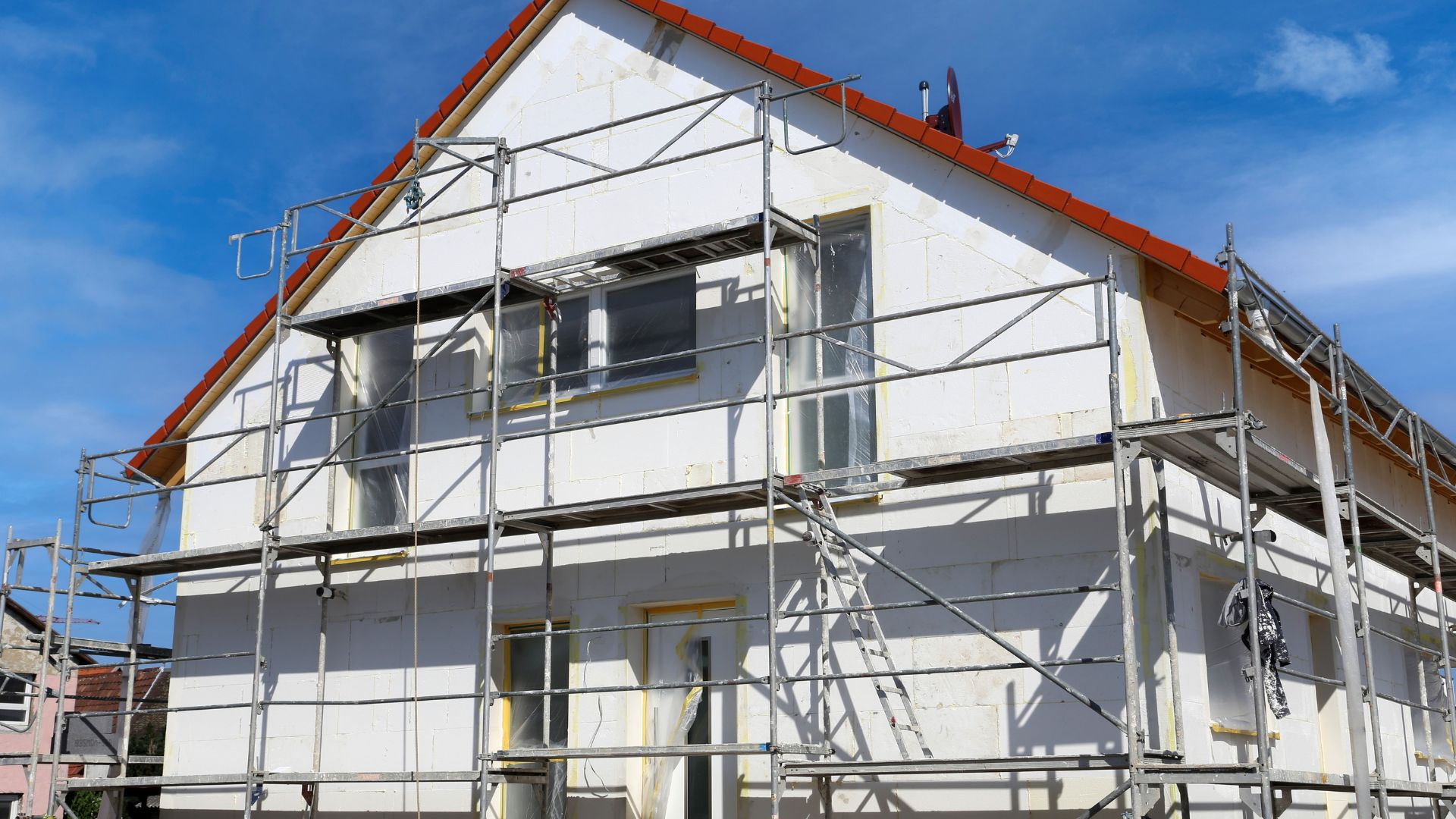
External Wall Insulation, often shortened to EWI, is a system installed on the outside of a building to reduce heat loss through its external walls.
The system normally consists of several compatible components, including:
- insulation boards, such as expanded polystyrene or mineral wool
- adhesive and mechanical fixings
- reinforcing mesh
- basecoat render
- primer
- decorative finish or external render
- profiles, beads and accessories for corners, windows and openings
These elements are designed to work together as one complete system. Using incompatible materials from different systems may affect performance, durability and the quality of the finished facade.
External wall insulation is commonly considered for solid-wall properties, older homes and buildings where cavity wall insulation is unsuitable. It may also be used during wider renovation projects when homeowners want to improve both thermal performance and the external appearance of the property.
Understand Why You Want External Wall Insulation
Before contacting installers, homeowners should identify their main objective.
Some people want to reduce heat loss and make rooms more comfortable during winter. Others are primarily interested in improving the appearance of an ageing or damaged facade. In many cases, the project forms part of a wider refurbishment that may also include new windows, roofing work, extensions or improvements to heating systems.
Having a clear objective will help the installer recommend the right insulation material, thickness and finish.
A quotation should not simply state that insulation will be installed. It should explain what type of insulation is proposed, why it is suitable for the property and how the complete system will be fitted.
The Condition of the Existing Walls Matters
External wall insulation must be installed onto a stable and appropriately prepared surface.
Before preparing a quotation, a competent installer should inspect the condition of the walls and identify issues such as:
- loose or hollow render
- cracking
- damp patches
- damaged brickwork
- algae or biological growth
- leaking gutters or downpipes
- uneven surfaces
- poorly sealed window and door openings
Insulation should not be used to cover unresolved moisture problems or structural defects. If the existing facade is unstable, additional preparation may be required before the insulation boards can be installed.
This preparation may include removing loose render, cleaning the surface, repairing cracks, levelling uneven areas or applying an appropriate primer. These works can affect the total cost, which is why quotations based only on photographs or basic property measurements should be treated with caution.
Choosing Between EPS and Mineral Wool
Two of the most common insulation materials used in EWI systems are expanded polystyrene, known as EPS, and mineral wool.
EPS is lightweight, widely used and often offers a cost-effective way to improve the thermal performance of external walls. It is available in different grades and thicknesses, including enhanced graphite versions with improved insulating properties.
Mineral wool is non-combustible and provides strong acoustic and vapour permeability characteristics. It is often selected for particular building types, design requirements or projects where fire performance is a major consideration.
Neither material should be chosen solely on price. The most appropriate option will depend on the property, wall construction, exposure to weather, required thermal performance and the specification of the complete system.
A reputable installer or supplier should be able to explain the advantages and limitations of each material in relation to the specific building.
Ask for a Detailed System Specification
A professional quotation should provide more than a total price.
Homeowners should ask for a written specification that identifies:
- the manufacturer or system supplier
- the insulation type
- the thickness of the insulation boards
- the adhesive product
- the number and type of mechanical fixings
- the reinforcing mesh
- the basecoat and finishing render
- the profiles, corner beads and starter tracks
- the proposed colour and texture
- preparation works
- scaffolding
- waste removal
- expected project duration
- warranty information
The specification should also explain how the system will be finished around windows, doors, roof edges, pipework, vents and external fittings.
These details may appear minor, but poorly planned junctions are among the most common causes of visual defects, water penetration and thermal bridging.
Do Not Compare Quotes Based Only on Square Metres
External wall insulation is often priced per square metre, but the wall area is only one part of the calculation.
Two properties with a similar external wall area may have very different installation costs. A detached house with several windows, extensions, decorative features and difficult access may require substantially more labour than a simple terraced property.
The price may also be affected by:
- scaffolding requirements
- access restrictions
- the height of the building
- the number of corners and openings
- the condition of the existing walls
- the need to reposition downpipes or cables
- new window sills
- verge and roofline extensions
- decorative features
- render colour and texture
- waste disposal
- local labour costs
When comparing quotations, check that each contractor has included the same scope of work. A lower price may simply mean that important items have been excluded and will be charged separately later.
Pay Attention to Windows, Doors and Rooflines
Installing insulation changes the depth of the external walls. This affects the way the facade meets windows, doors, roof edges and other architectural elements.
Window reveals may need thinner insulation products or carefully formed details to maintain natural light and avoid unnecessary thermal bridges. Existing sills may need to be extended so that rainwater is directed away from the new rendered surface.
Roof verges and eaves should also be assessed. If the roof overhang is limited, additional detailing may be required to protect the top of the insulation system.
A quotation that ignores these areas is unlikely to represent the true cost of the completed project.
Consider Ventilation and Moisture Management
Improving insulation can reduce uncontrolled heat loss, but the property must still be ventilated correctly.
Homeowners should discuss existing air vents, extractor fans, air bricks and ventilation openings with the installer. These should not simply be covered by insulation or render.
It is also important to identify the source of any existing dampness before work begins. Problems caused by leaking gutters, defective pointing, poor drainage or internal condensation will not automatically disappear after installing insulation.
External wall insulation should form part of a balanced approach to energy efficiency that also considers heating, ventilation and moisture control.
Check Permissions and Technical Requirements
Depending on the property and the extent of the proposed changes, planning permission or building control involvement may be required.
This may be particularly relevant for listed buildings, properties in conservation areas, homes with protected architectural features or projects that significantly alter the external appearance of the building.
Requirements can vary between properties and local authorities, so homeowners should confirm the position before work begins. The installer should also be able to explain how the proposed system will comply with the relevant technical and building requirements.
Never assume that permission is unnecessary simply because similar work has been completed on a neighbouring property.
The Importance of Compatible Materials
A high-quality installation depends on more than the insulation boards.
Adhesives, fixings, reinforcing mesh, primers, basecoats and decorative finishes must be suitable for the chosen system and substrate. The wrong adhesive, insufficient fixings or low-quality mesh may lead to cracking, movement or detachment.
Specialist suppliers such as Penguin Builders Merchant provide access to external wall insulation materials and system components for professional installers and renovation projects across the UK.
Purchasing materials from a knowledgeable supplier can also make it easier to select compatible products and calculate the required quantities before installation begins.
Questions to Ask an EWI Installer
Before accepting a quotation, homeowners should ask the installer several practical questions:
- How many external wall insulation projects have you completed?
- Can you provide examples of similar properties?
- Which insulation system are you recommending?
- Why is this system suitable for my home?
- What wall preparation is included?
- How will windows, doors and roof edges be finished?
- Are scaffolding and waste removal included?
- Who is responsible for permissions and building control?
- What warranty is provided?
- What is the payment schedule?
- How will the property be protected during the work?
A professional contractor should answer these questions clearly and provide the agreed scope in writing.
Be cautious if an installer pressures you to make an immediate decision, requests a large cash payment in advance or refuses to provide a detailed specification.
What a Good Quote Should Look Like
A reliable quotation should be clear, itemised and based on an inspection of the property.
It should identify the total area, the proposed system, the insulation thickness and the key installation stages. Any exclusions should be stated clearly.
The quotation should also explain how additional work will be approved and priced if unexpected problems are discovered after scaffolding has been installed or old render has been removed.
Homeowners should ideally obtain more than one quotation, but each quote should be assessed on quality, completeness and suitability rather than price alone.
Final Thoughts
External Wall Insulation can be an effective way to improve the comfort, energy efficiency and appearance of a UK home. However, the success of the project depends on careful assessment, correct detailing and the use of compatible materials.
Before getting a quote, homeowners should inspect the condition of the property, understand the differences between insulation systems and prepare a list of questions for potential installers.
The best quotation is not necessarily the cheapest one. It is the quotation that clearly explains what will be installed, how the building will be prepared and how every important junction will be finished.
Taking time to understand the system before signing a contract can help prevent unexpected costs, improve the final appearance and ensure that the insulation continues to perform effectively for years to come.