 Qyndarix Thalendros
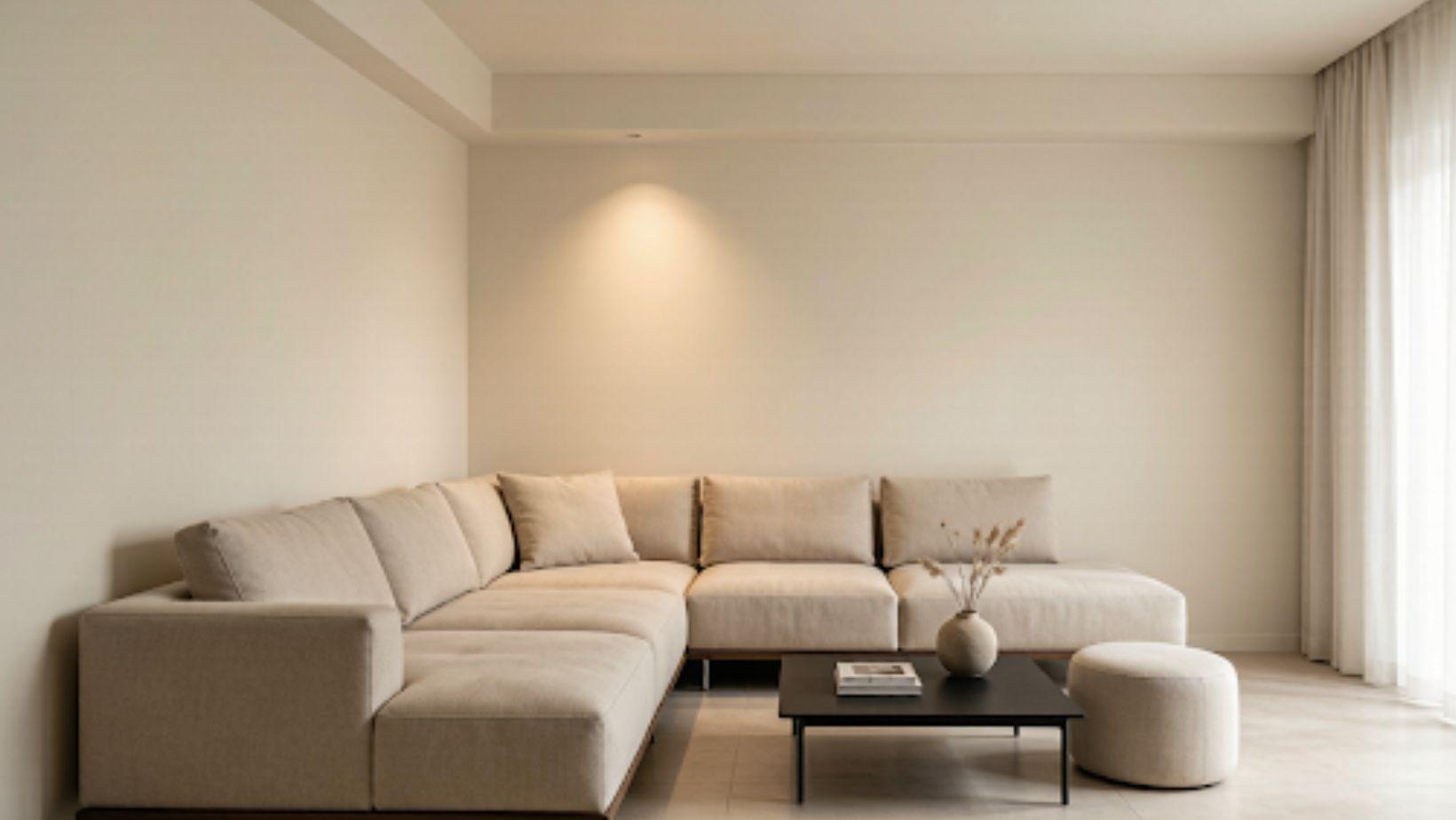
That empty corner of your living room keeps collecting dust and a lonely plant. I used to waste the same square footage until I realized the fix was obvious. An l-shaped sectional sofas tucks right into the angle and turns dead space into the best seat in the house.
Here is the plan. I cover why the L shape is the small room champ, how to size it for your corner, and which chaise side to pick. You will know exactly how to fill that awkward angle by the last line.
Why corners love the L
The L shape uses two walls, so it claims a corner that a straight sofa never could. That frees the middle of the room for walking. In a compact apartment this is the single biggest space win you can make.
Most L sectionals seat three to five people, which is plenty for a couple or a small family. The long seat and the chaise give you stretch room without eating the whole floor.
Size it to the corner
|
Corner width |
Seats |
Recommended seat depth |
|
84 to 95 in |
3 |
32 to 34 in |
|
96 to 110 in |
4 |
34 to 36 in |
|
111 to 120 in |
5 |
36 to 38 in |
Match the long side to your wall length, not the diagonal. Leave 30 inches of walkway on the open side so the room still breathes. A corner piece that blocks the path feels bigger than it is.
Left or right chaise
The chaise is the extended lounger. Pick the side that faces into the room, not the wall. I put mine on the window side and it became the reading spot.
Reversible chaise models let you flip the side later. If you rent or might rearrange, choose reversible and save a headache.
Studio apartment win
In a one room apartment the L does triple duty as sofa, guest bed and room divider. The back of the long seat becomes the edge of your sleeping zone. I have seen a 95 inch L turn a box into a real home.
Keep the chaise off the main path. In a tight space every inch of floor counts, and a chaise that juts into the walk is the first thing you trip on at night.
Rug sizing under the L
A rug anchors the L and tells the eye where the seating zone starts. Pick a rug that reaches past the front of both seats by at least 12 inches. Too small a rug makes the corner look like a mistake.
Round rugs soften the hard angle. A square room with a square corner and a square sofa can feel boxy, so a round rug adds curve without costing floor space.
Fabric and fill
For daily corner lounging, a dense weave fabric holds up and hides pet hair. Foam with pocket springs keeps the seat from sinking after a year. I liked a textured beige that warmed the corner without showing marks.
Color does real work in a corner. A light tone pulls the eye into the nook, while a dark tone can close it off. Sample the fabric in your own light before you buy, because showroom lighting lies.
Corners have a light problem most buyers miss. A sofa pushed into a dark angle can make the whole room feel smaller, because the eye reads shadow as wall. Place a floor lamp or a slim wall sconce just behind the chaise, and add a round rug under the front of the L to pull the seating zone forward. This simple lighting and rug move fools the eye into seeing a planned nook instead of a forgotten corner, and it costs far less than a bigger sofa.
Pets and the corner
Corners collect fur where two seats meet, so a tight weave saves you work. A washable cover on the chaise means the dog bed can move to the floor without a fight. I wash mine every other week and the corner stays fresh.
Give the pet their own spot on the chaise with a throw. The rest of the sofa stays presentable and the animal has a clear claim, which cuts down on sofa surfing.
Modular or fixed
Modular L sets let you add a seat later if the family grows. Fixed frames are cheaper and lighter to move. Decide by how often you rearrange, not by the showroom display.
Budget notes
A three seat L in polyester starts near five hundred dollars. A five seat modular in a tight weave runs over twelve hundred. Spend up on the fill if the sofa gets daily use, since that is what wears first.
Reversible chaise models cost little more and save you if you move. I treat that feature as worth the small premium every time.
Two walls, one rule
The corner needs both walls measured, not guessed. Note any baseboard that sticks out, since the sofa must clear it or float an inch off the wall. I lost two inches to a heater and had to rethink the chaise.
Sketch the corner on paper first. Mark the outlets and the vents, because a sofa over a floor vent blocks the heat. Small details decide if the corner works.
Reading nook add ons
A floor lamp and a small side table turn the chaise into a reading spot. Add a narrow bookcase on the open wall and the corner becomes a room within the room. I built this in a studio and gained a whole office feel.
Keep the table round or oval. Square corners knock shins in a tight path, while a curve lets you brush past.
Guests and the L
An L with a deep chaise doubles as a guest bed for one. Add a memory foam topper and good sheets and no one complains. I host a nephew on mine three times a year.
A bolster pillow at the back turns the chaise into a headboard. Small touches make the sofa bed actually sleepable.
Lighting the corner right
A corner without a lamp feels like a cave by evening. A tall floor lamp behind the chaise throws light up the wall and opens the space. I use a warm bulb, not a cold one, to keep it cozy.
Plug the lamp into the same outlet as the sofa if you can, so one cord runs the corner. Tidy power is half the battle in a small room.
Scale with the rug
The rug should sit under the front legs of both seats at minimum. If it floats in the middle, the L looks disconnected from the floor. I size up rather than down and the corner reads finished.
An 8 by 10 rug fits most L corners. Go larger only if the room allows 18 inches of bare floor around it.
A corner sofa earns its keep daily. The L gives you a full lounge and a guest spot in the same footprint a pair of chairs never could. I count it as the best square footage buy in the room.
Checklist before you buy
Measure both walls of the corner, pick the chaise side that opens to the room, keep 30 inches of path, and choose reversible if you rent. Hit those four and the corner is solved.
You have the corner playbook now. The main job is finding the L that fits your room.