 Mylarith Qynthoril
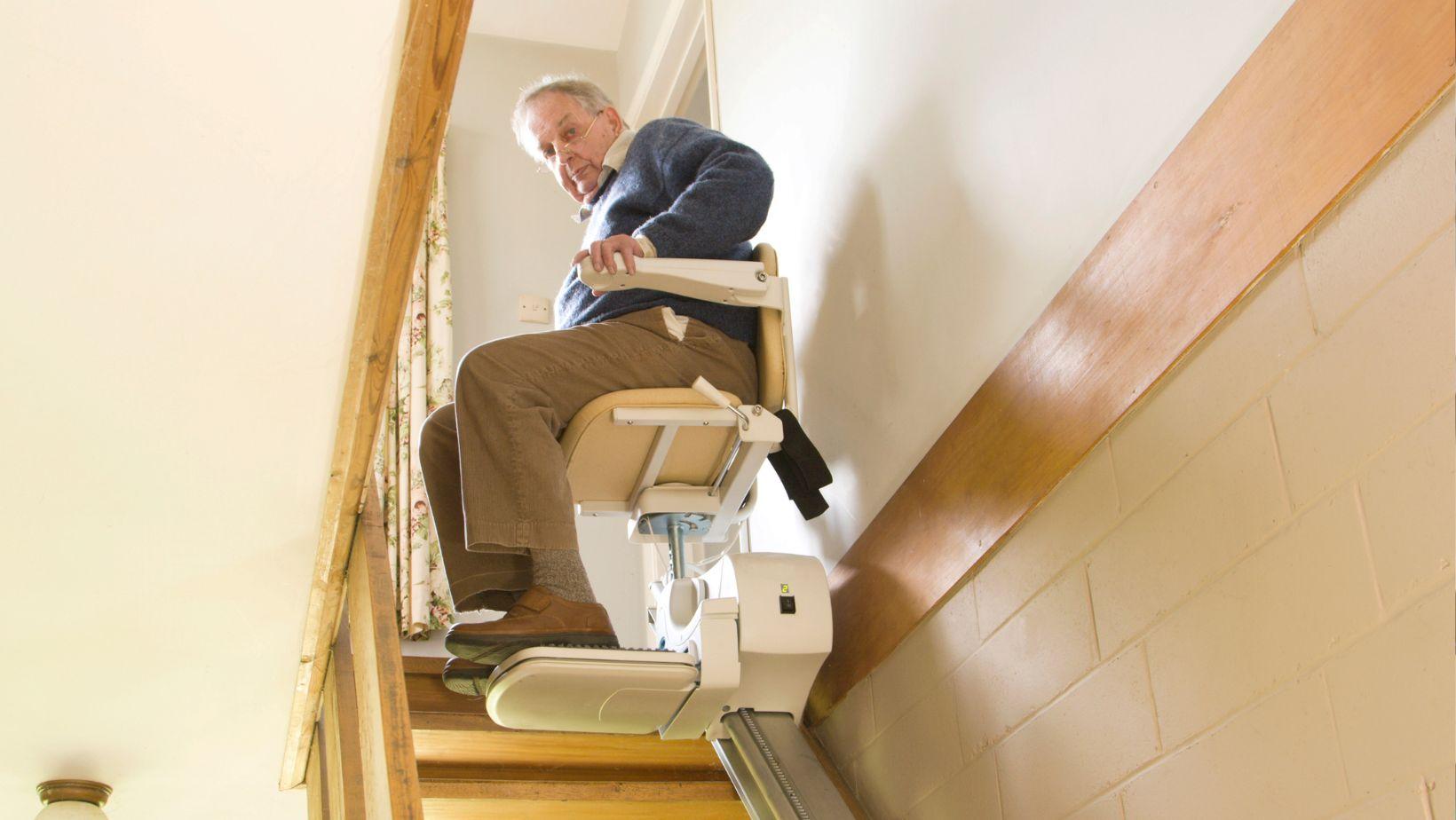
A stair lift lives a harder life than it looks. It carries a person up and down every day, collects dust along the rail, and picks up skin oils, lotions, and spilled drinks on the seat and controls. Because it is also a mechanical and electrical device, the wrong cleaning method can do real harm. Too much water can seep into a switch, and a harsh solvent can cloud plastic or strip a coating. Fortunately, good care is simple: gentle products, light moisture, and a regular schedule. The sections below explain what to avoid, how to clean seats and armrests, how to treat rails, controls, and footrests, which routine fits most households, and which tasks belong to a trained technician.
Why Gentle Methods Matter
Most stair lifts combine upholstery, plastic housings, metal rails, a battery or wiring, and sensors that detect obstacles. Each material reacts differently to cleaning products. Excess liquid can enter seams, reach electronics, and cause corrosion or short circuits. Strong solvents, bleach, and abrasive powders can discolor or crack plastics, dull finishes, and degrade seat vinyl.
A safer principle is to use a slightly damp cloth, never a dripping one, and to wipe dry afterward. Sprays should go on the cloth, not directly on the lift, so that mist does not reach moving parts. Before using any product, the owner’s manual should be checked for approved cleaners, since manufacturers often list what to use and what to avoid. Turning the lift off, or confirming that it is parked and the power switch is off, prevents accidental movement during cleaning. A calm, light approach protects both the finish and the mechanism, and it takes only a few minutes each week.
Cleaning Seats, Armrests, and Footrests
Seats and armrests see the most contact, so they collect oils, crumbs, and spills. For vinyl or faux leather, a cloth dampened with warm water and a drop of mild dish soap removes most grime, followed by a second damp cloth to remove soap and a dry towel. Fabric upholstery responds to gentle blotting with a mild cleaner, and spills should be addressed quickly before they set.
Anyone researching best cleaning products for stair lifts in San Jose homes should look for mild, non-abrasive options such as diluted dish soap, plain water, or products the manufacturer recommends, and should avoid anything labeled for heavy degreasing. Armrests and handles can be wiped with the same damp cloth, and a disinfecting wipe that is alcohol-free and safe for plastic can be used when sanitation is needed. Footrests collect dirt and moisture from shoes, so a quick wipe each week helps, with extra care around hinges and folding joints. Crumbs lodged in seat seams can be removed with a soft brush or a vacuum with a brush attachment, and cushions should be allowed to dry completely before use.
Rails, Tracks, and Controls
The rail carries the carriage, and debris along it can cause noisy or uneven travel. Dust, pet hair, and small objects should be removed with a dry cloth or a vacuum with a soft attachment, working with the lift parked at the far end. The visible surfaces of the rail can be wiped with a lightly damp cloth, and any gear rack or track should be left free of added lubricants unless the manufacturer says otherwise, since the wrong oil can attract dust and leave a sticky film.
Controls need special care. Joysticks, paddles, buttons, and remote controls should be wiped with a barely damp cloth, with no liquid allowed to run into the housing. Cotton swabs can reach small crevices around buttons. Charging contacts at the ends of the rail should be kept clean and dry, since dirt can interrupt charging, and a dry cloth is usually enough. Swivel seat mechanisms, folding hinges, and the safety sensors along the carriage should be checked for debris, and any visible damage reported to a technician. A flashlight helps reveal lint and hair in places that are not obvious.
A Simple Routine for Dusting and Wiping
A steady schedule works better than an occasional deep clean. Daily habits are light: a quick wipe of the armrests and controls after use if they are touched by many people, and a glance along the rail to check for objects. Weekly, a damp cloth can clean the seat, backrest, footrest, and handles, and a dry cloth or vacuum can clear dust from the rail.
For households comparing suitable stair lift cleaners, the answer usually comes down to simple, mild products used sparingly, plus a microfiber cloth that traps dust without scratching. Monthly, owners can check the charging contacts, look over cables and the seat belt, and vacuum around the base of the rail where dust accumulates. Washable seat covers, if the manufacturer offers them, simplify care. Keeping a small cleaning kit near the lift, with a soft brush, two cloths, and a gentle cleaner, makes the routine easy to maintain.
Tasks to Leave to a Technician
Some maintenance should never be attempted at home. Lubricating gears, adjusting the rail, repairing the motor, replacing the battery, and inspecting the electrical system require training and the right tools. A technician can also test safety sensors, check the seat belt and swivel mechanisms, and update settings.
A basic division of responsibility looks like this:
- Owners: wipe surfaces, vacuum dust, clear the rail, check the charging light.
- Technicians: lubricate moving parts, test sensors, inspect wiring and the battery.
- Both: note unusual sounds, jerky movement, or error messages and report them promptly.
Annual professional servicing is a common recommendation, and the manual or installer can confirm the best interval. Any sign of damage, such as frayed cables or a loose rail, should lead to an immediate call, and the lift should stay out of use until it is checked.
Final Analysis
Keeping a stair lift clean is straightforward when the approach stays gentle. Light moisture, mild cleaners, soft cloths, and a regular schedule protect upholstery, plastics, and controls while keeping the rail free of debris. Harsh chemicals, soaking, and homemade repairs invite trouble. Owners handle the surface work, and trained technicians handle the mechanical and electrical care. Following that division helps the lift stay quiet, safe, and reliable for the person who depends on it each day.