 Mylarith Qynthoril
A backyard renovation can turn an underused outdoor area into a comfortable space for relaxing, entertaining, gardening, or spending time with family. However, even a well-intentioned project can become expensive and frustrating when important details are overlooked during the planning stage.
From choosing the wrong layout to ignoring drainage, small mistakes can lead to unnecessary costs and disappointing results. Before starting your project, it helps to understand the most common backyard renovation mistakes and how to avoid them.
1. Starting Without a Clear Plan
One of the biggest mistakes homeowners make is beginning work before deciding exactly how they want to use the space. A backyard designed primarily for entertaining will have different requirements than one intended for gardening, children, or quiet relaxation.
Start by identifying your priorities. Consider questions such as:
Creating a basic layout before construction begins can prevent costly changes later. For larger projects involving grading, planting, patios, and walkways, consulting professionals with experience in Minneapolis Landscaping can also help homeowners develop a design suited to the property’s layout and local conditions.
2. Ignoring Drainage Problems
Drainage is not always the most exciting part of backyard design, but it can have a major impact on the success of the renovation. Poor drainage can cause standing water, soil erosion, damaged plants, and even problems near a home’s foundation.
Before installing new features, observe how water moves across the property after heavy rain. Low spots and areas where water collects should be addressed before landscaping or hardscaping begins.
Depending on the property, solutions may include:
Addressing water management early is usually much easier than repairing drainage issues after patios, gardens, or lawns have already been installed.
3. Choosing Features Without Considering Maintenance
A beautiful backyard can quickly become overwhelming if it requires more maintenance than the homeowner can realistically provide. Complex gardens, large lawns, delicate plants, and elaborate water features may look appealing, but they often require ongoing time and expense.
Instead, choose features that match your lifestyle. Native or climate-appropriate plants, durable hardscaping materials, and efficient irrigation systems can help reduce regular maintenance.
When selecting plants and outdoor features, think about how the space will look and function several years from now—not just immediately after installation.
4. Overlooking the Importance of a Balanced Layout
A backyard should feel connected rather than crowded. Adding too many features can make even a large outdoor area feel disorganized.
For example, a patio, fire pit, outdoor kitchen, garden beds, play area, and lawn may all be desirable, but they need to work together within the available space.
Try dividing the backyard into functional zones while maintaining clear pathways between them. Open space is also important. Leaving some areas uncluttered can make the entire yard feel larger and more comfortable.
Homeowners planning a major redesign may benefit from working with a landscaping company sydney that understands how to balance practical features with open space and overall visual flow.
5. Forgetting About the Local Climate
Plants and materials that work well in one location may not perform the same way somewhere else. Temperature changes, rainfall, soil conditions, sunlight, and seasonal weather should all influence backyard design decisions.
Before purchasing plants, research their long-term requirements and suitability for the local environment. Choosing species that struggle in the area’s climate can lead to frequent replacements and unnecessary maintenance.
The same principle applies to building materials. Decking, paving, outdoor furniture, and other surfaces should be selected with local weather conditions in mind.
A successful backyard renovation should look good throughout the year while remaining durable enough to handle seasonal changes.
6. Focusing Only on Appearance
Visual appeal is important, but functionality should not be ignored. A backyard may look impressive in photos but still be inconvenient if there is not enough seating, shade, storage, or accessible walking space.
Before finalizing the design, imagine how the backyard will be used during a typical week. Consider where guests will sit, how people will move through the space, and where outdoor equipment will be stored.
Practical additions can make a significant difference, including:
The best outdoor spaces combine attractive design with features that make everyday use easier.
7. Underestimating the Budget
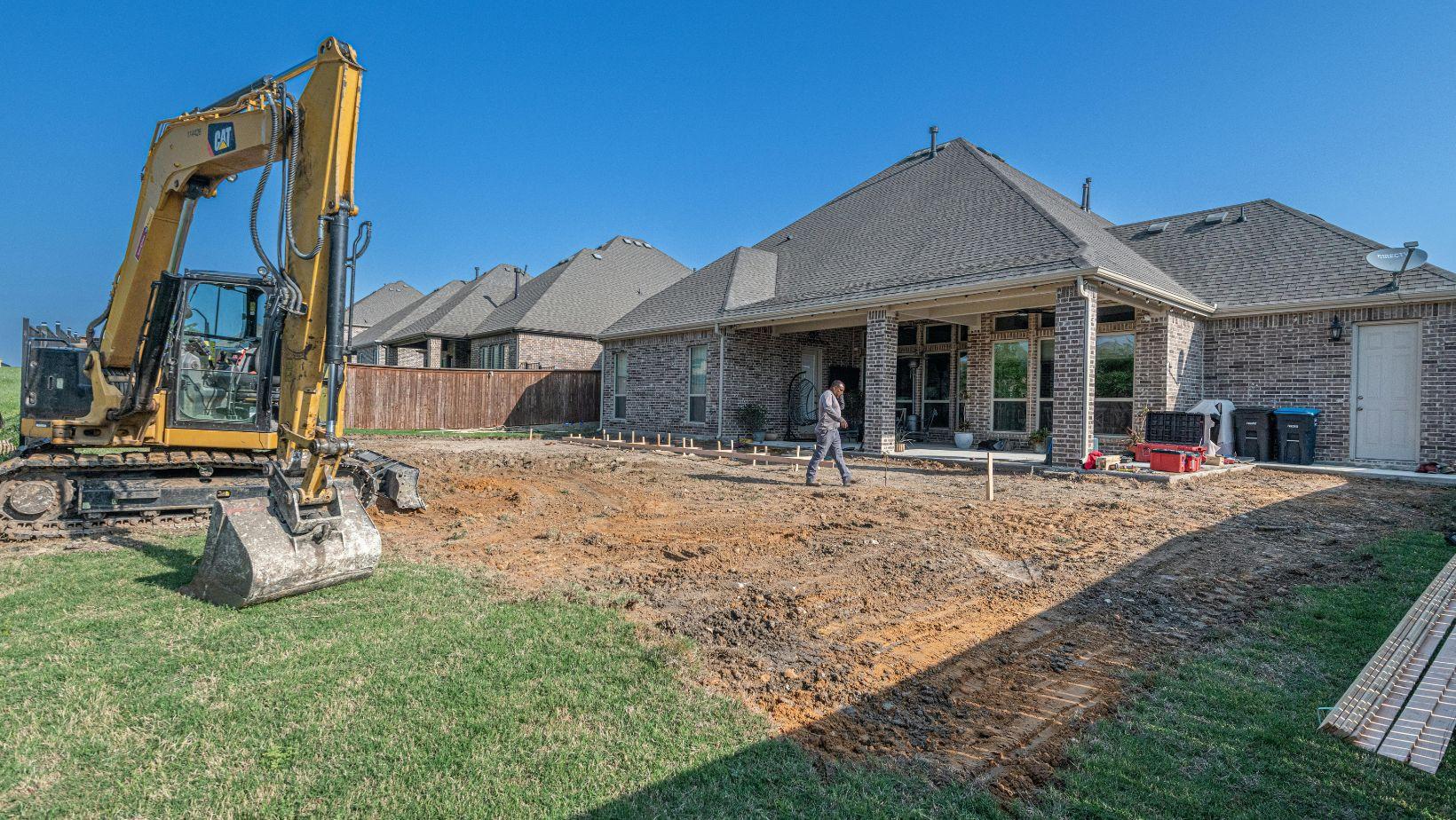
Backyard renovations often involve more than homeowners initially expect. In addition to plants and materials, costs may include site preparation, excavation, drainage work, permits, delivery, labor, lighting, and ongoing maintenance.
Setting a realistic budget early can help prevent the project from stalling halfway through. It is also wise to reserve part of the budget for unexpected expenses.
Instead of trying to complete every improvement at once, consider dividing the renovation into phases. For example, drainage and structural work can be completed first, followed by patios, planting, lighting, and decorative features.
A phased approach can make a large renovation more manageable while ensuring that essential work receives priority.
Final Thoughts
A successful backyard renovation begins with thoughtful planning. Avoiding common mistakes such as poor drainage planning, unrealistic budgets, overcrowded layouts, and high-maintenance features can save homeowners significant time and money.
Before beginning your project, take time to define how the space will be used, understand local conditions, and create a practical layout. By balancing appearance, functionality, and long-term maintenance, homeowners can create an outdoor space that remains enjoyable and useful for years to come.
The best backyard renovations are not necessarily the most expensive or elaborate. They are the ones designed around the people who will actually use them.