 Mylarith Qynthoril
Unexpected home repairs rarely happen at convenient times. A burst pipe, broken furnace, or electrical fault can disrupt routines and create unplanned expenses. Some problems require immediate attention, making it difficult to delay repairs until enough money has been saved.
Fortunately, several financing options can help cover essential repairs. Understanding how personal loans, contractor financing, credit cards, and home equity products work can help homeowners make informed financial decisions while managing unexpected expenses.
Common Home Repairs That Cannot Be Delayed
Certain household problems require prompt attention because delaying repairs can threaten safety or cause further property damage. Plumbing emergencies are a common example, with burst pipes and major leaks potentially damaging flooring, walls, and household furniture.
Heating and cooling failures can also become urgent, particularly during extreme weather. A broken furnace during winter may leave a home dangerously cold, while serious air conditioning problems can create health concerns during prolonged summer heatwaves, particularly for vulnerable residents.
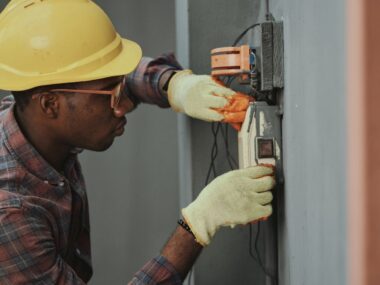
Electrical problems present another serious concern. Sparking outlets, damaged wiring, and malfunctioning electrical panels may create fire hazards requiring immediate professional assessment. Unlike cosmetic improvements or planned renovations, these problems often demand immediate attention to protect household safety.
Addressing these emergencies quickly can prevent further damage and more expensive subsequent repairs. However, when available savings fall short, homeowners may need to explore financing options that accommodate both the repair costs and the urgency involved.
Personal and Emergency Loan Options for Home Repairs
Personal loans can help homeowners cover unexpected repairs without relying on property equity. Unsecured loans typically provide a lump sum repaid through regularly scheduled installments, often at fixed interest rates, making monthly loan payments easier to anticipate.
These loans can cover essential household expenses, including emergency plumbing work, water heater replacements, and heating repairs. Unsecured personal loans do not require homeowners to pledge their property as collateral. However, missed payments can still damage credit records, trigger collection efforts, and lead to legal or financial consequences.
Online lending has made loan applications more accessible, with digital processes and potentially faster funding. Homeowners exploring loans online may encounter different personal lending options. CreditNinja is a state-licensed online lender that provides personal installment loans up to $5,000 with transparent terms and flexible repayment options. Loan availability, eligibility, and repayment terms vary by state and lending provider.
Emergency loans generally function like personal loans but emphasize urgent expenses and faster processing. However, borrowing costs and repayment periods vary, making it important to compare interest rates, fees, eligibility requirements, and funding timelines before committing.
Alternative Financing Through Contractors and Credit Cards
Some repair companies offer financing through third-party lenders, allowing homeowners to arrange payment directly with the contractor. This can be convenient when urgent repairs require immediate attention and available savings are insufficient.
However, contractor financing arrangements vary considerably. Homeowners should review several conditions before agreeing to a payment plan:
- Interest rates and fees: These determine how much the financing will cost.
- Repayment periods: Monthly payments should fit the household budget.
- Eligibility requirements: Approval depends on the lender’s criteria.
- Financing terms: Homeowners should check for promotional conditions and potential penalties.
Credit cards offer another option, particularly for smaller repairs. Existing credit limits may allow immediate payment without another loan application. Some cards offer introductory 0% APR periods, potentially reducing interest costs during the promotional period.
However, these offers differ from deferred-interest financing. Deferred-interest plans may charge interest dating back to the original purchase if the promotional balance is not paid in full by the deadline. Standard credit card rates can also be expensive, making comparisons with personal loans important when evaluating affordability.
Home Equity Loans and HELOCs for Major Repairs
Larger home repairs may require substantial financing beyond smaller unsecured loans. Home equity loans allow homeowners to borrow against their available property equity, generally providing a lump sum with fixed interest rates and predictable monthly scheduled repayments.
These loans may suit extensive repairs with predictable costs, such as major structural work or complete plumbing replacements. Fixed repayment schedules can make budgeting easier, although borrowing amounts depend on available equity and lender requirements.
Home equity lines of credit, or HELOCs, allow homeowners to withdraw funds during a specified draw period. This flexibility can accommodate repairs completed in multiple stages. However, variable interest rates and the transition to principal repayment can increase monthly payments.
Both options typically involve property valuations, lender assessments, and possible closing costs, making approval slower than some unsecured loans. Since the home serves as collateral, missed payments can lead to foreclosure, requiring careful financial consideration.
What to Consider Before Choosing a Home Repair Loan
Choosing suitable financing involves more than finding a lender willing to provide funds. Homeowners benefit from comparing how quickly money becomes available, what borrowing will ultimately cost, and whether repayments fit their existing financial commitments.
Funding Speed and Accessibility
Funding timelines vary considerably between financing products, depending on individual lender requirements. Some personal loans may provide funds within a business day after approval, while home equity products can take several weeks.
Advertised approval speeds do not always reflect actual disbursement times, particularly when additional documentation is required. Eligibility requirements and application procedures should therefore be considered alongside the repair’s urgency.
Interest Rates and Total Borrowing Costs
The annual percentage rate, or APR, reflects the annualized cost of borrowing, including interest and certain finance charges, such as applicable origination fees. Homeowners should also review any additional charges not included in the APR.
Comparing total repayment amounts helps homeowners identify differences between financing options that may not be obvious from advertised monthly payments alone. This provides a clearer understanding of the financial commitment involved.
Repayment Terms and Financial Risks
For otherwise comparable loans, longer repayment periods generally reduce monthly installments but increase total interest costs. Shorter terms may save money overall, although higher monthly payments can place greater pressure on stretched household budgets.
Homeowners should also consider whether collateral is required and how loan repayments might affect their ability to cover essential expenses. These include groceries, utilities, insurance, and other existing debt obligations.
Managing Emergency Repairs With Financial Confidence
Unexpected home repairs can create financial pressure, particularly when essential systems are affected. Personal loans, contractor financing, credit cards, and home equity products offer different ways to cover these expenses, each with distinct costs, timelines, and risks.
Understanding these differences helps homeowners make informed decisions rather than acting on urgency alone. Choosing financing with manageable repayments and suitable terms can address immediate repairs while protecting long-term household financial stability.