 Craig Pornorey
Freezing weather can pose a great risk to your plumbing in the house and this is because once the temperature falls below the freezing point, then you are at a risk. Unprotected pipes may freeze and burst, resulting in damage to the costs and large scale repairs. Being aware of the dangers and proactively doing what they can to ensure their plumbing is not damaged can save time and money in the winter season.
Responding Quickly To Emergencies
Though this is taken care of, there still exists a possibility of emergencies. On the one hand, the possibility to disable the main supply of water within the shortest period is capable of preventing significant harm in the event of a rupture of a pipe. There should be adequate labeling and easy access of tools and access points in case of any urgent situation. A surveillance system like FloLogic will also help you have enough time to respond and minimize the problem generated by its alarm.
The immediacy of action after bursting of the pipes is important. It is also advisable to turn off the water as soon as possible and any remaining water should be removed to prevent structural damage or mould growth. Having called a professional plumber immediately, you can be sure that your plumbing system can be repaired safely and efficiently and brought back into its usual functioning. This is an activity that is not as stressful when one makes prior preparation and less harmful in the event that there is a vast amount of destruction.
Preventing Pipes From Freezing
The best method of avoiding bursting pipes is ensuring that there is continuous flow of water and that the pipes are kept warm. Covering the pipes in areas that are prone to life like basements, attics, crawl spaces etc. will assist in protecting them against freezing. Another type of protection for the exposed pipes is heat tapes or pipe sleeves. The stable temperature in the house even when not in use is to make sure that the pipes are not left in the extreme cold condition too long.
The other way of minimizing the chances of freezing is to leave the faucets dripping a little on such extreme cold nights. Using the pipes, the ice can be prevented from forming since water moves in it. Sealing of holes around windows, doors and where cold air can find its way in places where plumbing is done should also be ensured. Such precautionary measures will significantly mitigate the risk of pipe burst and limit the risk of water damage.
Monitoring Your Plumbing System
Modern monitoring tools may provide extra protection upon sudden bursts in the pipes. A device, such as FloLogic, can monitor abnormal water usage and give a warning signal to the owners of the house before a small drip turns into a large leak. These systems usually bear an alarm that alerts you instantly in case water is detected in the wrong place so that a fast action can be taken to avoid massive destruction.
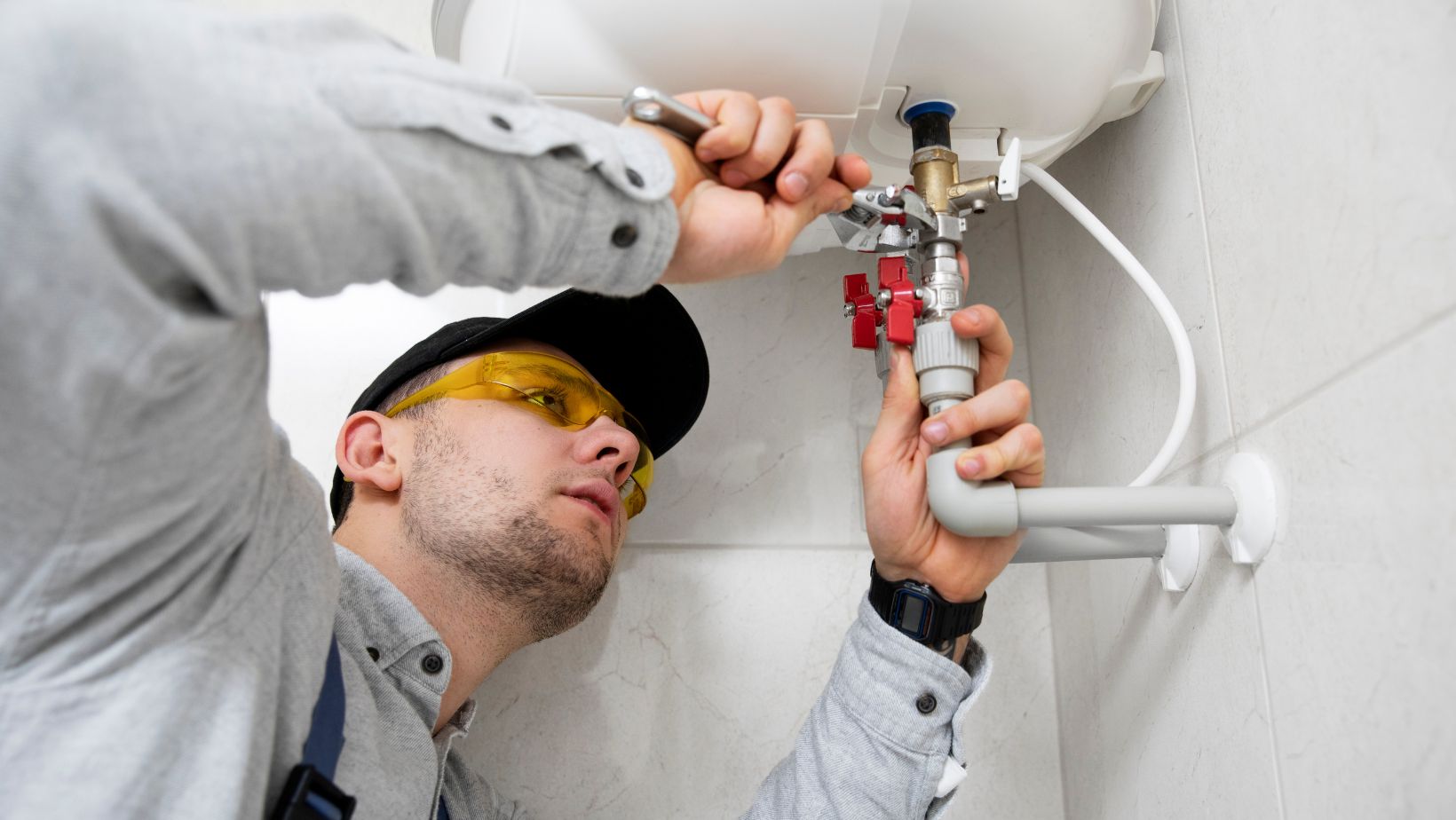
To make sure that your plumbing system is well taken care of and does not break in winter, you should maintain and check it regularly. In order to tell whether your pipes have some problems, you may examine them to reveal where the cracks, the corrosion, or the weak places of the pipes are to prevent situations when the problem worsens. Valves, connections and fittings should be firmly fastened in order to have minimal chances of bursting out. The mixture of these inspections and monitoring technology will lead to an increased confidence barrier against cold weather plumbing issues.

Protecting Outdoor Pipes And Fixtures
Freezing is particularly susceptible to outdoor plumbing elements. Before winter, drainage and disconnection of garden hoses, irrigation systems and spigots ought to be done. Outdoor faucets can be covered with insulated covers and the outdoor valves should be closed to prevent the occurrence of ice that damages. Outside plumbing Leaving hoses uncovered or overlooking exterior plumbing heightens the chances of bursting that may occur in both the outside and internal plumbing.
Another consideration is on the place where the pipes pass through unheated places like garages or sheds. Freezing can be prevented by adding insulation to these pipes and keeping some amount of heat in these structures. These measures will make sure that even the less visible aspects of your plumbing system will be safeguarded even during the harsh weather conditions.
Conclusion
To prevent the pipes from bursting in case of cold weather, it is a combination of preparation, monitoring and taking the response in time. You can save your plumbing by preventing the freezing by insulating the pipes and allowing the water to run through them and closing the hole of the pipes. The extra security is also offered by the presence of advanced monitoring tools like FloLogic and the capacity to make a decisive move in the event that an alarm is raised. By taking such measures the home owners will be in a position to secure their property, save on the cost of repairing the home, and ensure that their plumbing is dependable throughout the winter season.