 Mylarith Qynthoril
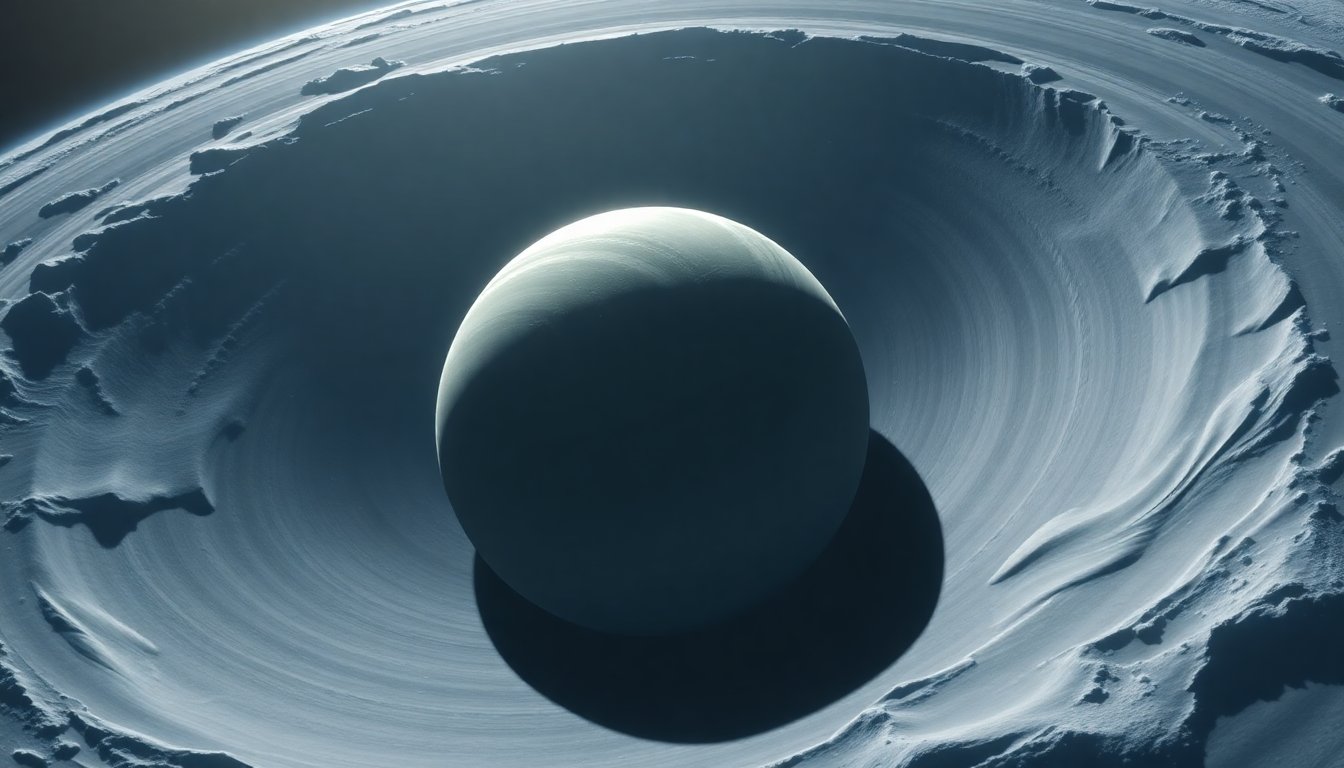
Xeriscaping disaster resistant reconstruction midclshom presents a realistic trip to Saturn’s moon. The simulator recreates icy vents, low gravity, and dark ridges. It runs on common VR rigs and on desktop setups. The team built the simulator for education, training, and entertainment. Readers will find clear descriptions of features, the user feel, and replay options.
Key Takeaways
- The Enceladus Virtual Adventure Simulator HMEMCLSS offers a scientifically accurate and immersive experience of Saturn’s moon, combining education, training, and entertainment.
- HMEMCLSS uses a modular design with physics-based simulations of Enceladus’ icy terrain, plume behavior, and low gravity to create realistic mission scenarios.
- Users can engage in training and free-exploration modes, with clear HUD readouts and environmental hazards that encourage careful planning and skillful navigation.
- The simulator supports VR and desktop setups, multiplayer co-op, and mission customization through a modding kit and mission editor, enhancing replayability and educational use.
- Environmental randomness and timed challenges provide dynamic gameplay, reinforcing team communication and offering competitive leaderboard features.
- By bridging the gap between concept and hardware testing, HMEMCLSS advances scientific outreach and simulation-based training for diverse audiences.
What HMEMCLSS Is And Why It Matters
HMEMCLSS stands for High-fidelity Modular Enceladus Mission-Class Live Simulator. The project models Enceladus with scientific maps and physics. The team used public spacecraft data and laboratory measurements to set ice properties and plume behavior. Scientists contributed mission scenarios and risk data. Educators used those scenarios for classroom labs and outreach. Gamers used the simulator for exploration and skill tests. The simulator runs a physics core that handles low gravity, plume jets, and surface thermal effects. The code splits tasks into modules. Each module handles a clear job: terrain, particles, mobility, or systems status. This design lets operators update one module without stopping the whole simulator. The simulator supports VR headsets and standard monitors. It also supports controllers and keyboard commands. The interface shows clear readouts for pressure, temperature, and suit integrity. The team built training modes and free-explore modes. Training modes teach sample collection, tether work, and plume avoidance. Free-explore modes let players study fissures and vents. The simulator connects to labs for data export. Users can export telemetry for analysis or classroom use. The export format matches common CSV and JSON tools. Developers built a sandbox for researchers to test rover concepts. That sandbox helps engineers try path planning and thermal control in a safe setting. The simulator matters because it shortens the gap between concept and test. It gives teams a low-cost place to try ideas before they reach hardware. The simulator also matters because it brings Enceladus to a wider audience. Teachers use it to show why icy moons matter. The public uses it to see how missions might work. The project released documentation and a developer kit. The kit helps modders make new scenarios and new tools.
What The Simulation Experience Feels Like
The simulator creates a strong sense of scale and fragility. The display shows tall ice cliffs and thin plume curtains. The physics engine makes movement feel light. Footfalls leave temporary impressions in the ice. Jets push the avatar and the rover. Sound design gives a low, distant hiss for vents and muted thumps for impacts. The HUD shows clear data. The HUD updates oxygen, suit heat, and sample status in real time. The visual filters reduce glare and raise contrast on white ice features. Lighting works with a simulated sun angle and with headlamp cones. The headlamp reveals sharp shadows and hidden crevasses. The simulator gives tasks that require choices. The player must plan a route, manage power, and decide when to sample. The game penalizes rushed choices with system failures or lost samples. The design pushes careful work. The simulator rewards careful observation with clearer science results and higher mission scores. The experience supports both short sessions and extended missions. Short sessions let users try a single task. Extended missions link tasks into long objectives with resupply nodes and base setup. The simulator logs every action for review. Teams use those logs for debrief. Players can replay missions to improve scores and to test new strategies. The simulator also supports multiplayer co-op. Teams can split tasks and cover more ground. Co-op mode trains real teamwork and communication. The social side links to competitive leaderboards and timed challenges. The simulator sits at the intersection of learning and play. It makes science visible and actionable. It gives players clear goals and measurable outcomes. The design avoids random reward loops. Instead, it rewards real skill and process.
Interactive Missions, Environmental Hazards, And Replayability
Missions present clear objectives and stage-based milestones. A common mission asks the player to reach a vent, collect a sample, and return to base. The simulator randomizes plume activity and fracture shifts. This randomness forces players to adapt. Environmental hazards include sudden plume bursts, thin ice patches, and thermal vents that damage suits. The simulator models particle impacts and low-temperature freeze events. The player learns to check sensors and to avoid weak ice. Tools include tether reels, thermal blankets, and microthruster packs. Each tool changes how a player moves and reacts. Replayability comes from modular mission parts and randomized hazards. Players can mix mission modules to build new runs. The modding kit allows players to add new objectives or new hazards. The team added a mission editor that uses drag-and-drop blocks. Educators use that editor to create focused lessons on heat transfer or geology. The simulator supports timed challenges and scoreboards. Timed runs test route choice and efficiency. Scoreboards show mission time, sample integrity, and system health. The simulator links to larger trends in VR use and competitive play. Analysts expect VR to change how audiences engage with simulations and bets on engagement growth in esports and training VR and betting. The rise of competitive simulation play also echoes shifts seen in organized gaming and contests esports evolution. The simulator supports local tournaments and challenge weeks. The team plans seasonal content drops that add new mission packs and community events. Players can earn cosmetic rewards and public ranking titles. The system logs and exports match data for replay review and fairness checks.