 Qyndarix Thalendros
A Quonset Huts creation timeline can range from a mere matter of days to weeks. This is a timeframe dependent on the foundation being ready, however if you were to look at the complete project it may have a timescale of four to twelve weeks. This will account for the permitting needed, site preparation, curing time, utilities and finishing. A small storage hut with an experienced crew will usually move faster than a large, insulated workshop with doors, windows, and interior systems.
What Determines the Construction Timeline?
Quonset huts are relatively fast as brands like Steelmaster provide prefabricated kit designs that arrive ready to construct with how to guides on how to construct them. Project complexity also matters. An open agricultural shelter may need little interior work, while a conditioned garage requires insulation, electrical service, ventilation, and carefully framed openings. Custom end walls or overhead doors add further steps.
The assembly is only one part of the schedule. Depending on when you submit them and your state, permits may take some time and getting the right weather to construct may slow down progress. Alongside crew availability, access and foundation work, which will all have their own impact on the timescale.
A Realistic Quonset Hut Timeline
Having an estimated range can be useful to get a partial understanding of the initial timeframe, but again, local conditions may extend the timeframe.
At the beginning stage of the process, there will be planning and design which will likely take around 1-3 weeks. Within this time the size, use, design and options will be researched and finalized. The next step is the permitting and engineering stage which typically takes 2-8 weeks. Within this stage the plans are typically reviewed for zoning and building code compliance.
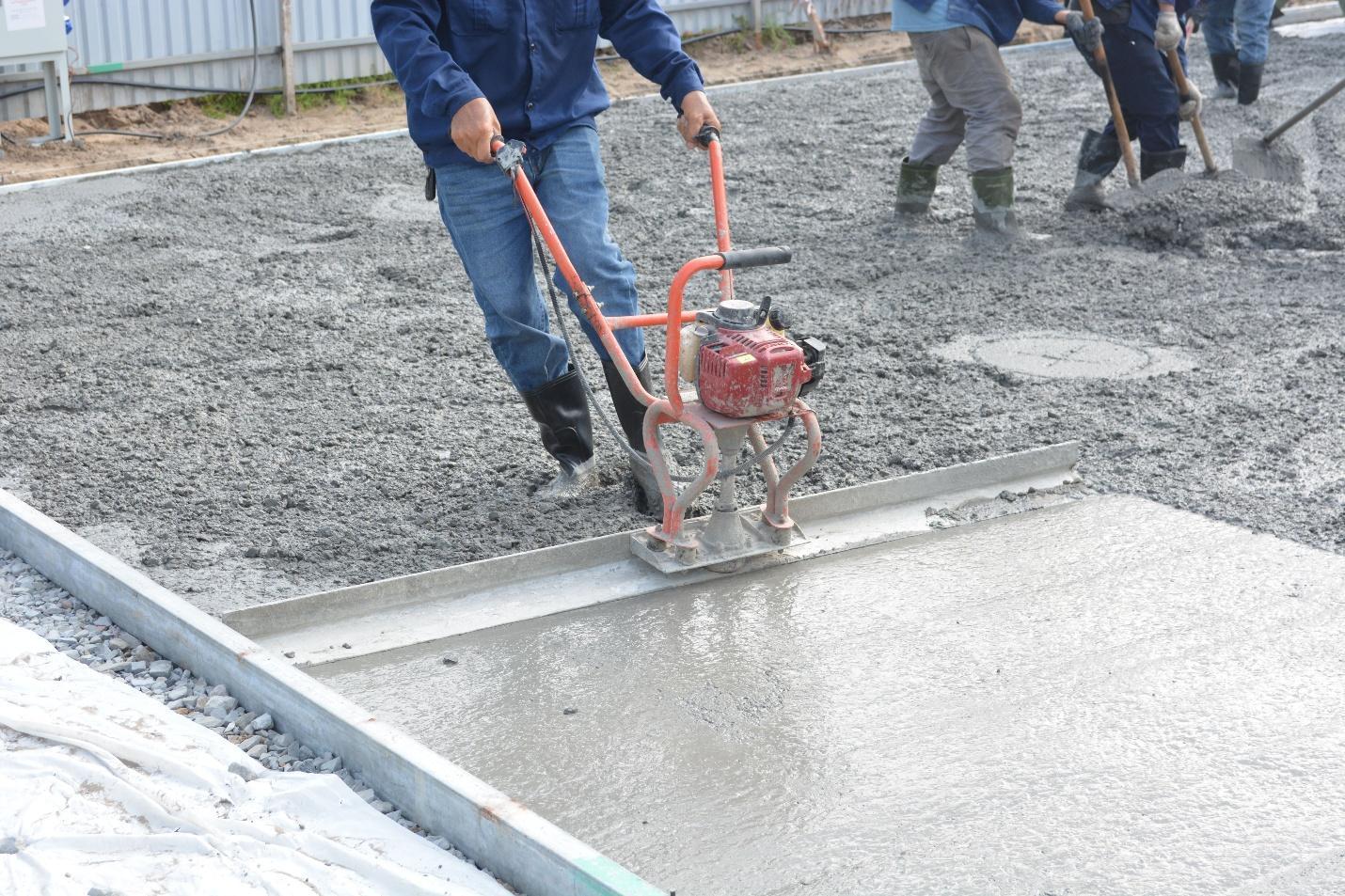
Site and foundation work typically takes 1-3 weeks to complete, as the ground will be cleared within this time, graded, compacted and formed. The concrete itself will depend on the climate conditions and will take 1-4 weeks as the foundation gains strength before full loading. This is whether the structure itself can come into play. The shell assembly itself can take two days to a possible three weeks. This is when the arches can be assembled, raised, aligned correctly and anchored. It will take an estimated 2-7 days to add the doors, walls, framing, trim and the seals which will then be followed by the interior work which will then take an estimated 1-6 weeks. This is when the insulation, utilities, partitions and finishes can be installed.
Some of these phases can overlap and therefore the time can decrease. For instance, the Doors may be prepared while concrete cures, and electrical planning can begin during permitting. Try not to cut corners to speed up the process, especially when it comes to the curing time and inspections.
How Size and Use Affect Build Time
Much like any project the size and customized aspects of a structure, including a Quonset hut, will determine how much labor and equipment is needed. A more compact design will only need a small, capable crew, meanwhile commercial structures may require additional equipment like lifts, scaffolding, experienced installers, and more time for alignment.
Before ordering, ask these sizing and use questions:
- What vehicles, machinery, inventory, or activities must fit inside?
- How much clear height is needed at the center and near the curved walls?
- What door dimensions are required for the largest vehicle or machine?
- Will the hut serve as storage, a garage, a workshop, or occupied space?
- Will future expansion require additional length, utilities, or foundation capacity?
If the Quonset hut is being used as a garage, take into account that the doors will need room to open and there needs to be enough space for a driver to get out of their vehicle and walk around the car. Meanwhile if it is a workshop, there may be additional space needed to account for workbenches and safe equipment clearance.
How to Keep the Project on Schedule
Keeping a schedule in line with the original plan can be helped through finalizing the layout before ordering the kit. Changing after fabrication will create delays and may create further expenses.
Prepare the site before delivery and confirm that trucks can reach the unloaded area. Store panels above the ground, protect them from standing water, and organize hardware so the crew can work efficiently.
Coordinate the foundation with the manufacturer’s drawings. Incorrect dimensions, anchor placement, or slab elevation can stop assembly entirely. Schedule required inspections early, and allow contingency time for rain, high winds, concrete delays, or missing components.
Frequently Asked Questions
Can a Quonset hut be built in a weekend?
A small shell may be assembled over a weekend by an experienced, properly equipped crew, but the foundation, permitting, and finishing will take longer.
Can homeowners assemble a Quonset hut themselves?
Many kits support owner assembly. Larger spans and tall arches may still require professional labor, lifting equipment, fall protection, and careful bracing.
Does insulation increase construction time?
Yes. The added time depends on whether spray foam, blanket insulation, or a framed rigid-foam system is used and whether interior finishes are planned.
What causes the most common delays?
Permit reviews, unsuitable soil, incorrect foundations, severe weather, delivery issues, and late design changes are frequent causes. Early coordination creates the most reliable schedule.