 Mylarith Qynthoril
If you have a piece of Michigan land that needs to be cleared before construction or landscaping, one of the first questions you will ask is a practical one: how long is this going to take? The answer is not always simple, but understanding the factors involved can help you plan your project and avoid surprises along the way.
Land clearing timelines in Michigan vary widely. A small residential lot with light brush might be cleared in a single day. A heavily wooded parcel of several acres, by contrast, could take a week or more. The variables come down to the size of the property, the type and density of vegetation, the terrain, the time of year, and the method used to clear the land. Knowing where your project falls on that spectrum early on will save you real headaches when it comes to scheduling contractors, permits, and construction start dates.
Property Size Is the Starting Point
The most obvious factor is acreage. For a typical residential plot under half an acre with moderate brush and a few trees, a professional crew with the right equipment can often complete the work in one full day. Move up to one to three acres of mixed vegetation and you are likely looking at two to four days. Larger parcels, particularly those with dense hardwoods like the oak, maple, and beech trees common in Michigan forests, can push timelines considerably further.
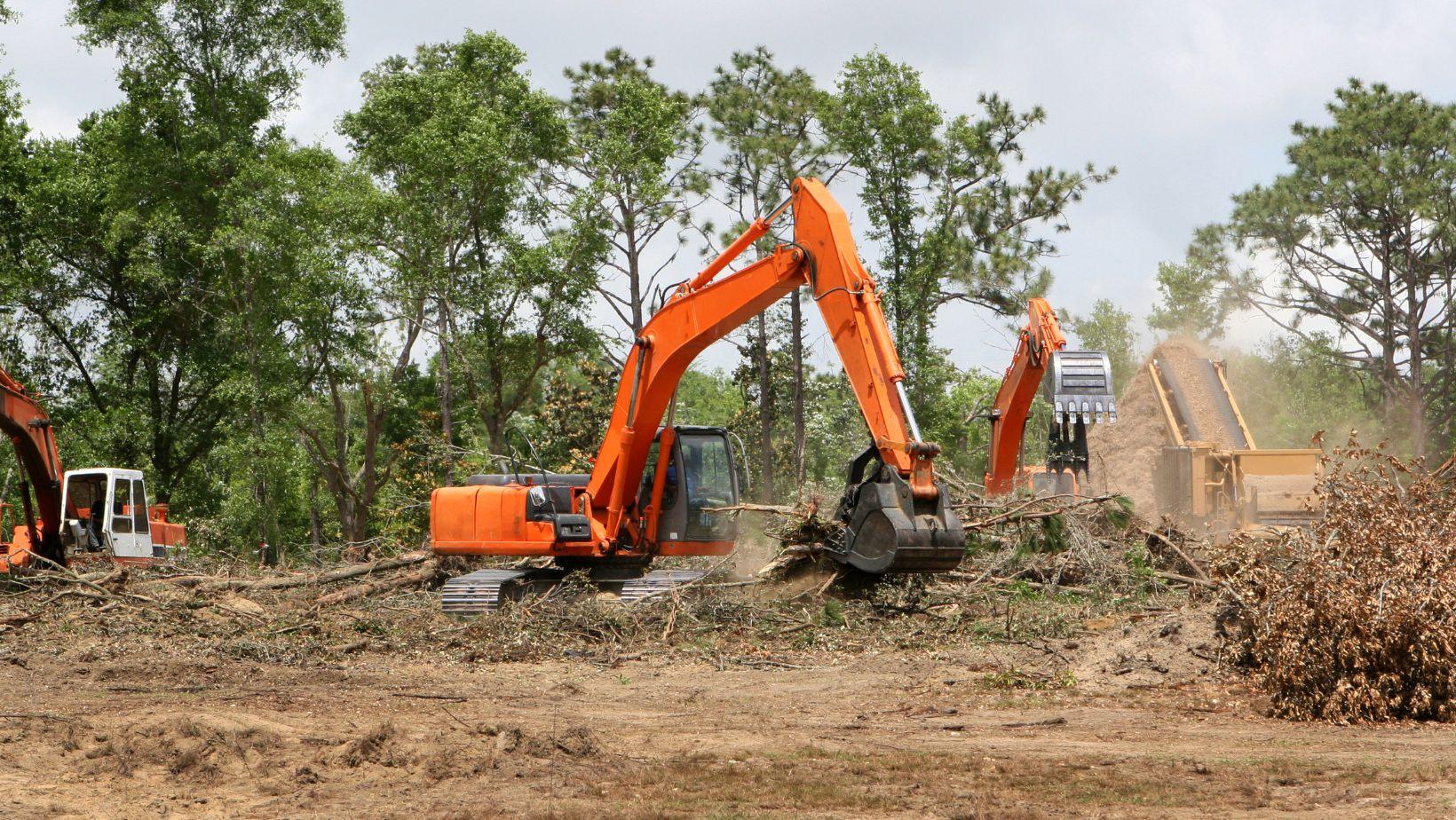
It is worth being honest with yourself about what you are actually dealing with. Many homeowners underestimate how long clearing takes because they are visualizing light lawn-type clearing rather than what it really means to Clearing Overgrown Land on a forested Michigan lot. Clearing Overgrown Land that has been left untouched for years requires heavy equipment, and that equipment takes time to work through the material systematically.
Vegetation Type Makes a Big Difference
Not all land clearing is the same kind of work. A field overgrown with shrubs, saplings, and invasive species like buckthorn or autumn olive is a different job than a stand of mature hardwoods with deep root systems. Brush clearing tends to move faster because smaller material can be mulched in place using forestry mulching equipment. Timber clearing, especially when stumps need to be ground or removed entirely, takes longer and often involves multiple phases.
Michigan also has a notable invasive species problem. Landowners who have not managed their property in some time may find thick tangles of multiflora rose, phragmites, or oriental bittersweet that slow down machinery and require more passes to fully eliminate. According to Michigan State University Extension, some invasive species require follow-up treatment after initial clearing, which means the work is not always done after one visit.
If you are planning to build a new home and need the site prepped for foundation work, that timeline also includes grading and potential excavation after the clearing itself is complete. Factoring these additional phases into your schedule is something a lot of first-time builders forget to do.
Time of Year Actually Matters in Michigan
Michigan's seasons have a real impact on land clearing timelines and feasibility. Late fall and winter can actually be good times to clear wooded land because frozen ground is firmer and heavy equipment does less damage to the soil structure beneath. Deciduous trees without their leaves are also easier to assess and work through.
Spring and early summer bring softer, wetter soil conditions, particularly in the Lower Peninsula where clay-heavy soils are common. Equipment can get bogged down, and wet ground can extend project timelines significantly. Late summer through fall is generally considered prime season for clearing work in Michigan, with dry ground conditions and good visibility.
There is also a practical consideration around nesting birds. Many clearing contractors will note that disturbing certain types of vegetation during spring nesting season can create complications, and some local municipalities have guidelines around this. It is always worth checking with your contractor before scheduling early spring clearing on a wooded property.
Permitting and Site Assessment Add Time You Need to Budget For
Before the machines arrive, there is often a planning phase that homeowners do not account for in their mental timelines. Depending on your county and municipality in Michigan, you may need to obtain clearing permits, especially if your property is near a waterway, wetland, or falls under any special land use classification.
Michigan has strong environmental protections around wetlands, and the Michigan Department of Environment, Great Lakes, and Energy (EGLE) has jurisdiction over activities within or near regulated wetland areas. If any portion of your property touches a wetland or is within the buffer zone, permitting can add weeks to your pre-clearing timeline before a single tree comes down. You can review current guidelines on the EGLE website to understand what may apply to your land.
A professional site assessment from a clearing contractor will help you understand what you are working with before committing to a schedule. Reputable companies will walk the property, identify obstacles, flag any areas of concern, and give you a realistic estimate of how many days the job will take. That site visit itself usually takes one to two hours for a standard residential parcel.
What Affects the Daily Work Rate
Even once clearing is underway, the daily pace can vary. Terrain plays a big role. Flat land in areas like mid-Michigan moves faster than hilly or rolling terrain. Rocky areas in the Upper Peninsula or regions with significant slopes require more careful equipment management and slower passes.
The density of tree canopy matters too. A lot with 80 percent canopy cover that has never been managed is going to take two to three times as long to clear as a similar-sized property where previous owners maintained the treeline and brush. Stump removal in particular is a time-consuming part of the process if full grubbing is required for a build site.
If you are curious about what to expect for your specific project after clearing is complete, our article on preparing your property for a new home build walks through the next phases of site prep in practical terms.
Realistic Timelines at a Glance
For most Michigan homeowners and builders, here is a rough guide to what you might expect:
Under 0.5 acres with light brush: 1 day. Half an acre to 1 acre with moderate vegetation: 1 to 2 days. One to 3 acres of mixed trees and brush: 3 to 5 days. Three to 5 acres with dense timber: 5 to 10 days. Larger parcels or heavily wooded acreage: 2 weeks or more, depending on conditions.
These estimates assume professional equipment and an experienced crew. DIY clearing or renting equipment without experience will add considerably more time and comes with its own set of challenges around debris disposal and stump management.
Getting an Honest Estimate
The best thing you can do before starting any land clearing project in Michigan is talk to a professional who knows the region. Local contractors understand the soil conditions, common vegetation types, permitting requirements, and seasonal considerations that someone from out of state simply would not. They can also give you a firm project timeline that accounts for weather delays and any issues that might come up mid-job.
It is also worth asking contractors about their equipment, their debris disposal approach, and whether they use forestry mulching versus traditional cut-and-haul methods. Forestry mulching, which grinds vegetation into fine mulch and leaves it on-site, tends to move faster and is less disruptive to the topsoil compared to complete removal.
If you are still in the early planning stages, it helps to read up on how outdoor work like this can affect your home's overall curb appeal and landscaping plans once the clearing is done. Getting the land cleared the right way sets up everything that comes after it.
The short answer to how long land clearing takes in Michigan is that it depends, but with the right contractor, solid planning, and an honest assessment of what the land actually looks like, most residential projects wrap up within a week. The work is not glamorous, but getting it done correctly and on schedule makes everything from foundation pours to landscaping infinitely easier.