 Mylarith Qynthoril
A kitchen full of crumbs, a garage stacked with boxes, and a pantry holding open bags of flour might seem like unrelated spaces. To pests, they form a connected network of food, shelter, and hiding places. Each area has its own appeal and its own risks, and problems rarely stay put. An ant trail that begins in the garage can end up on the kitchen counter, and a rodent that settles in a storage room may wander into the pantry. The sections below look at how each space differs, how pests move between them, and which home-care habits reduce the risk.
Kitchens: Where Food Makes the Difference
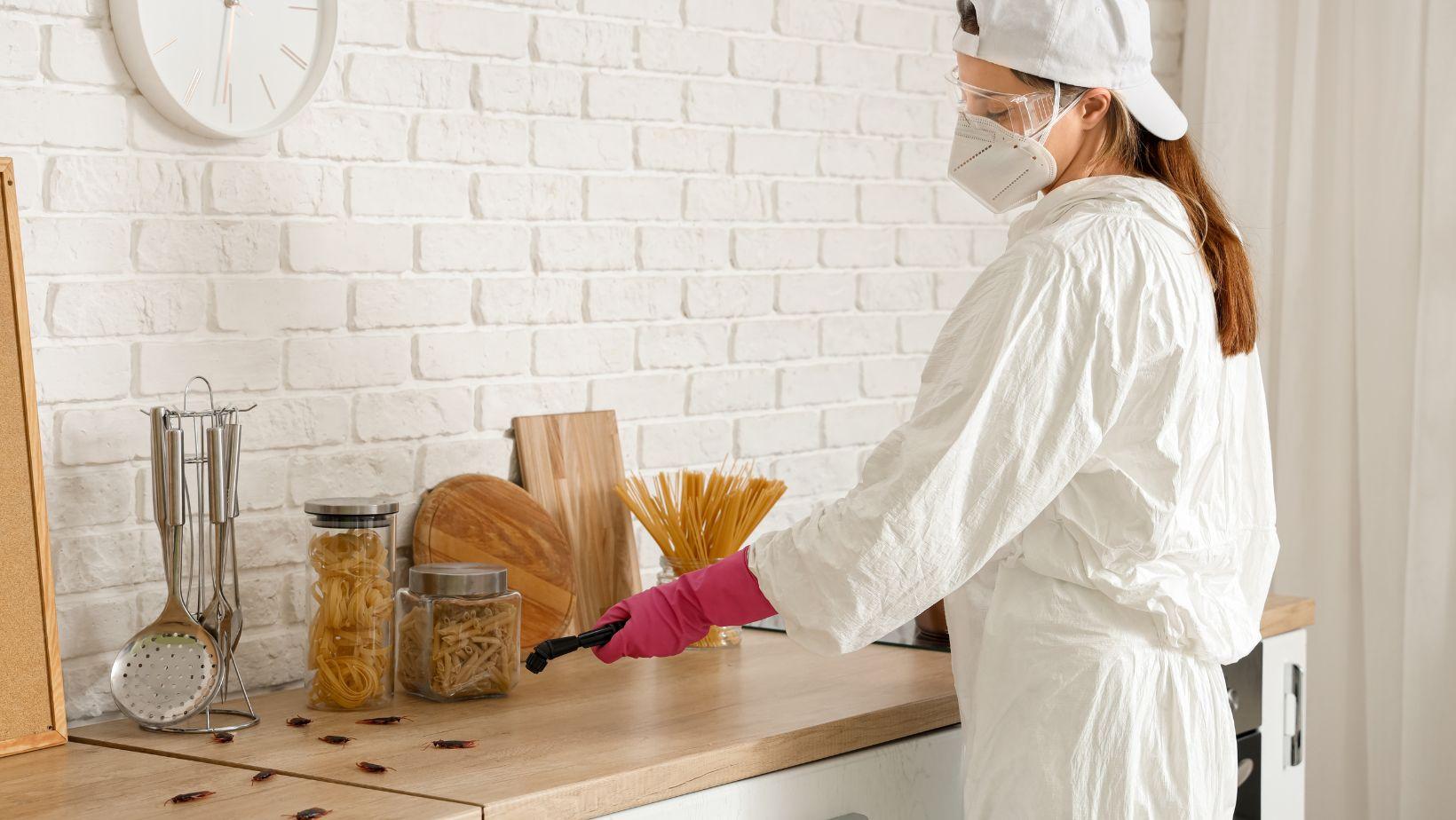
Kitchens offer the most obvious attraction, which is food. Crumbs under appliances, grease on the stovetop, and unwashed dishes provide a steady supply for ants, roaches, and flies. Moisture adds to the appeal. Leaky faucets, damp sponges, and condensation under the sink give pests the water they need.
Cockroaches, particularly German cockroaches, are drawn to warm areas with food and water, such as behind refrigerators and inside cabinets. Ants follow scent trails from tiny spills. Fruit flies appear quickly around ripe produce and open drains. Because kitchens are used constantly, the problem is less about neglect and more about small leftovers that go unnoticed. Wiping surfaces nightly, storing food in sealed containers, taking out the trash regularly, and fixing leaks removes most of what draws pests here.
Garages and Utility Spaces: Access From the Outdoors
Garages sit between the outside and the home, and pests treat them accordingly. Door seals wear down, gaps open along the walls, and clutter provides places to hide. Spiders, ants, and crickets are common visitors, while rodents use cardboard, bagged items, and stored fabrics for nesting. Pet food, birdseed, and trash cans kept in the garage add food sources.
Utility rooms and water heater closets create their own conditions. They are warm, dark, and often damp, with pipe penetrations that connect to walls and floors. Silverfish, roaches, and rodents favor these spaces because they are rarely disturbed. Clean along the garage edges where debris collects, store items off the floor on shelves, and check that the door seals close tightly. In utility areas, look for leaks, condensation, and gaps around pipes. Both spaces benefit from good lighting and regular visits, since pests settle where nobody looks.
Pantries and Storage Rooms: Hidden Resources
Pantries hold concentrated food, which makes them a prime target for pantry pests such as Indian meal moths and grain beetles. These insects often arrive inside packaged products, then spread to other open items. Rice, flour, cereal, pasta, pet food, and dried fruit are common targets. Storage rooms and closets hold different attractions, mainly shelter. Cardboard boxes, old clothing, and stacked paper provide nesting material for rodents and hiding places for roaches and silverfish.
Rotating stored items prevents trouble. Use older products first, label new purchases with dates, and avoid buying more dry goods than the household uses in a reasonable time. Transfer opened items into airtight containers. Inspect shelves periodically, looking for webbing, small holes in packaging, or tiny insects. In storage rooms, replace cardboard with plastic bins when possible, and keep belongings a few inches from walls to allow airflow and visibility. Seldom-used spaces deserve a scheduled check, since they can host activity for months without being noticed.
How Problems Move Between Areas
Pests follow resources. A mouse feeding on pet food in the garage will explore nearby walls and may discover a gap leading into the kitchen. Roaches that live in a damp utility room can spread to the pantry along pipes and baseboards. Ants forage widely, and a trail that starts outdoors may link several rooms in a single day. Shared walls, plumbing chases, and ducts act as highways between spaces.
When activity appears in several areas at once, treating each room separately rarely works. The underlying conditions, such as moisture, food, clutter, or outdoor access, remain in place and allow the problem to return. A home that shows signs in the kitchen, garage, and storage rooms may have multiple entry points or a hidden nest. At that stage, Smart Solutions Pest Control in Marietta can inspect the connections between rooms, trace the likely source, and recommend a plan based on the species involved. Homeowners can help by noting where and when they see activity, since patterns often point toward the source. If sightings continue after repairs and cleaning, Smart Solutions Pest Control in Marietta can look at the whole home instead of one space.
Practical Home-Care Steps Across the Whole House
A consistent routine does more than occasional deep cleaning. These steps cover the main risk areas:
- Store dry food, pet food, and baking supplies in sealed containers with tight lids
- Rotate pantry items so older products are used first, and discard anything infested
- Sweep and clean along garage edges, and keep boxes elevated on shelves
- Fix leaks, run a dehumidifier in damp spaces, and wipe condensation from pipes
- Inspect boxes, closets, and seldom-used rooms every few months for droppings, webbing, or damage
- Seal gaps around pipes, baseboards, and door frames with appropriate materials
Moisture control deserves emphasis in a humid region such as Georgia, since damp conditions support roaches, silverfish, and mold. Use a hygrometer to monitor basements and utility rooms, and aim to keep indoor humidity moderate. Replace torn weatherstripping on garage and exterior doors, and keep trash cans tightly lidded. When these habits become routine, pests find fewer reasons to settle, and any new activity stands out sooner.
Key Takeaways
Kitchens attract pests with food and water, garages provide access and clutter, and pantries and storage rooms offer concentrated food and shelter. Problems move between these spaces whenever favorable conditions persist. Seal food, rotate stored items, clean garage edges, manage moisture, and inspect seldom-used areas on a regular schedule. When activity appears in several parts of the home, a professional inspection can find connections that are hard to see. Steady habits across the whole house matter more than any single cleaning effort.