 Mylarith Qynthoril
Anyone who has lived through a summer in Virginia Beach knows the humidity doesn't let up. It's not just heat you sweat through, it's the kind of thickness that sits in the air for weeks at a time. That moisture doesn't stay outside either. It works its way under the house, into the crawl space, and sits there building up long before anyone notices. Give it a few months and you're dealing with mold, softened wood, a musty smell that lingers no matter how much you clean, and an AC bill that keeps climbing without any clear reason. For a lot of homeowners searching for crawl space solutions Virginia Beach, this is exactly where the problem started. Not a leak, not a storm, just months of ordinary humidity doing quiet damage.
So what's really happening down there, and what actually fixes it.
Why the Humidity Here Hits Crawl Spaces So Hard
The reason for this is because the proximity to the ocean means that the outside air contains more moisture compared to the inside. This is simply the reality of living in a coastal environment. The moist air is not particular about the path it takes. In fact, it will take any route possible like vents, plumbing holes around the perimeter, or small cracks around the foundation.
As long as there is an opening, the moist air will enter. The fact is that there are many old buildings in Hampton Roads that have traditional vented crawl spaces, which offer no defense against this kind of weather. Once this warm moist air gets in and meets cooler surfaces such as metal ducts or even the bare ground, it will condense.
What's Actually Going On Under the House
It's a slow process, though a steady one. Warm air enters, meets a cold surface, turns into moisture, and that same cycle repeats every day through a long Virginia Beach summer. Stretch that out over a few months and here's roughly what you end up with.
Water pooling on the crawl space floor. Insulation that's soaked and no longer working the way it should. Wood framing quietly takes on moisture it can't shed. The exact conditions mold needs to take hold. Metal ductwork and support beams starting to show early rust.
None of it shows up right away. That's really the issue. By the time something becomes noticeable upstairs, it's usually been building underneath for a while already.
Signs Something's Off Beneath Your Home
You don't have to crawl under the house to catch this early. A handful of things tend to show up first.
A musty smell that is particularly prevalent at the lower levels of your home. Floors that are a bit soft or spongy in certain areas. Humidity in your house despite the constant operation of the air conditioning system. Higher cooling costs that are inexplicable. Mold or discoloration around vents and baseboards.
If you can relate to any one of these issues, then you should definitely get a professional opinion before it becomes more serious.
Why Putting This Off Ends Up Costing More
This is one thing that many people do not realize until it's too late. Crawl space humidity does not remain within the crawl space only. About 50 percent of the air present in the living room comes from below the house, meaning whatever happens in the crawl space mixes with the air that you and your loved ones breathe every day. The air conditioning system becomes overloaded because of the extra work.
Leave it long enough and that dampness starts eating into the wood framing itself, which is a far more expensive fix than dealing with humidity early on. What starts out as "the basement smells a little off" can, a couple years later, turn into an actual structural repair.
What Homeowners Usually End Up Doing About It
The good part is that this is a well understood problem, and a fixable one. Most people looking into crawl space solutions in Virginia Beach end up landing on some mix of the following.
Sealing up vents and gaps so outside humidity has fewer ways in. Laying a vapor barrier across the crawl space floor. Running a dehumidifier built specifically for crawl space conditions, not just a regular household unit. Fixing up drainage around the foundation so water isn't pooling right next to the house. Full encapsulation, which handles sealing, the vapor barrier, and moisture control all together as one system.
Encapsulation tends to be what actually solves this for the long haul, especially around here, where humidity isn't really a seasonal thing so much as a year round one.
A Few Things Worth Checking Yourself First
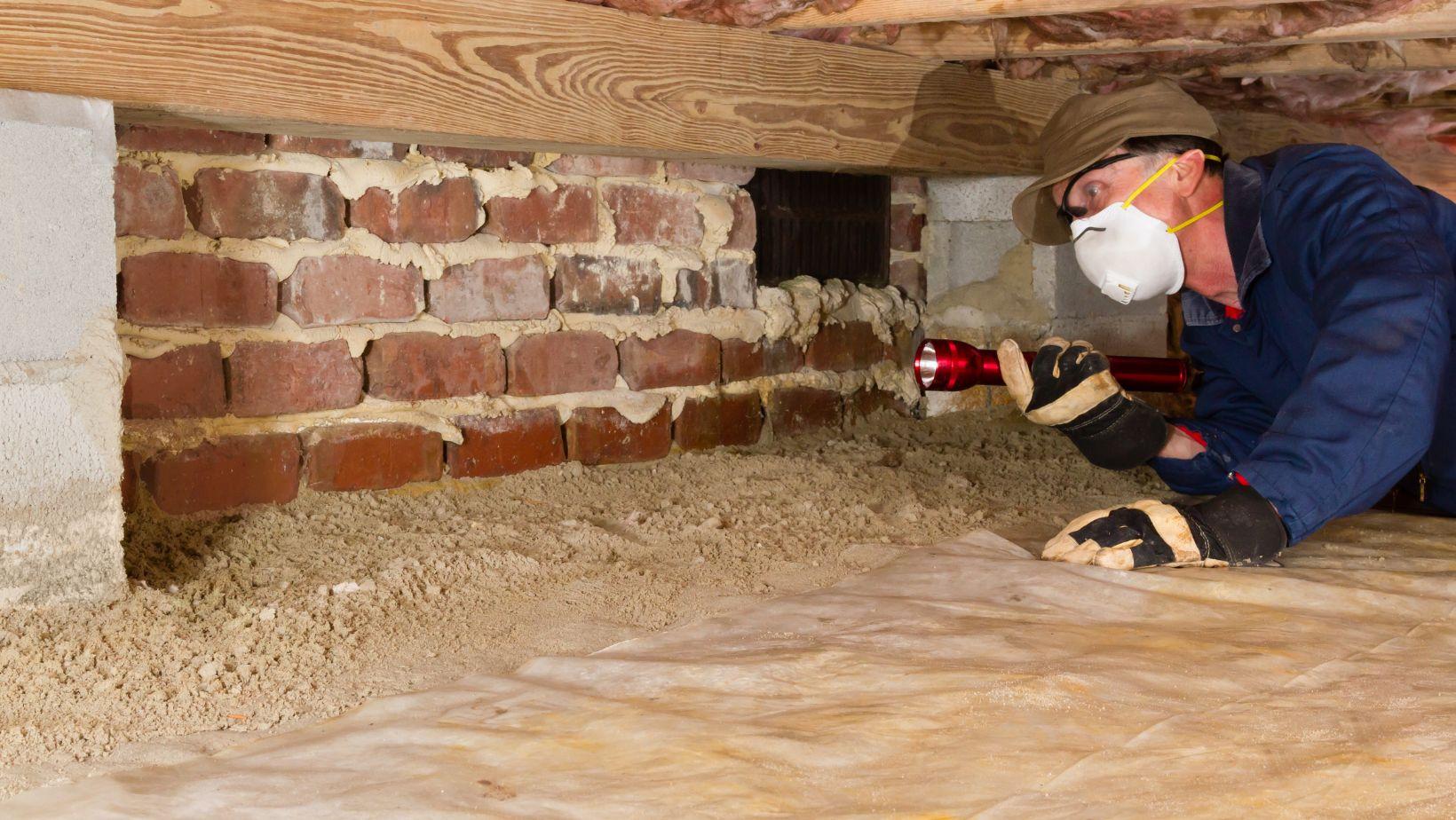
Before pointing any fingers, a walk-around of the house by yourself might not be such a bad idea.
Ensure that the gutters really do direct the flow of rainwater away from the foundation and don’t simply dump it directly next to it. Check to see if there is any physical damage to the crawl space vents. Also look to see if the air inside the house is heavy and stuffy, especially downstairs.
Nothing will solve the problem for you, but it'll tell you if it's time to get help.
When It's Actually Time to Call Someone
If you're noticing any of the warning signs above, or it's simply been a while since anyone checked under the house, don't wait around for another humid summer to make things worse. A search for crawlspace encapsulation near me will bring up plenty of results, but pay attention to who actually inspects the space before quoting a price, rather than a company pushing the same fix on every home regardless of what's really going on underneath.
There isn't much anyone can do about the humidity in Virginia Beach itself. How well a crawl space holds up against it, though, is something well within a homeowner's control.
Frequently Asked Questions
What are the signs of excessive moisture in the crawl space? If there's an unpleasant odor in the home, indoor air that feels humid despite the use of AC, spongy flooring or cracks in the floor, and molds around ventilation or baseboards, it's time for inspection.
Does it really impact indoor air quality? Yes, since a significant portion of the circulating air in the house originates in the crawl space, anything going on there, including mold spores, will get mixed in with the air breathed by everyone in the house.
Is it enough to put a dehumidifier in there or should I encapsulate? A dehumidifier will help, but on its own it is more symptom management than treatment of the underlying problem; combination of sealing and vapor barrier installation during encapsulation will do the trick.
How frequently should a crawl space in Virginia Beach be inspected? An annual checkup is the general recommendation, preferably done prior to summer humidity peak. If your home is located close to the coast or you have experienced moisture problems before, two checkups per year would be more beneficial.
Will fixing crawl space moisture actually lower my energy bills? Often it does. Once the HVAC system isn't constantly fighting excess humidity, it doesn't have to work as hard, and that usually shows up as a real drop in cooling costs by summer's end.