 Mylarith Qynthoril
Walls make up the largest surface in any room, so the finish you choose shapes the entire atmosphere. In recent years, homeowners and designers have moved away from flat, uniform paint toward finishes with depth and character. Limewash, Venetian plaster and rich solid tones are all part of this shift toward walls that feel crafted rather than simply colored.
If you are planning a renovation or refresh, here is a guide to three of the most elegant wall finishes, their strengths and how to achieve each look with less effort.
Why Wall Finish Matters
A premium wall finish does more than add color. It changes how light moves through a room, how warm or cool the space feels and how well it ages. Textured finishes catch light at different angles, creating soft variation that flat paint cannot match. They also help disguise minor imperfections in older walls, which is especially valuable in traditional homes.
The right finish depends on your style, your budget and how much maintenance you are willing to accept.
Option 1: Limewash
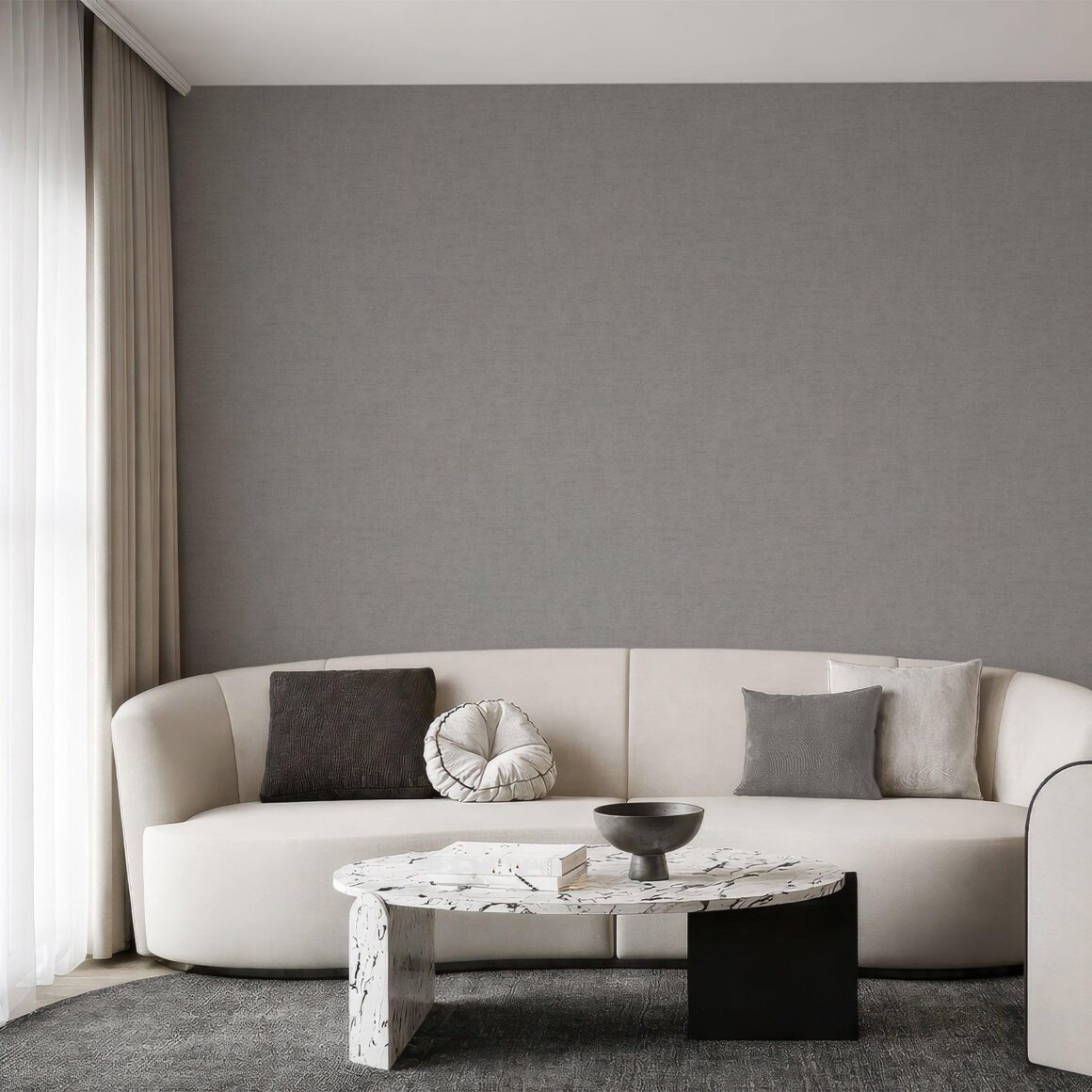
Limewash is one of the oldest wall finishes in the world, used for centuries in Mediterranean villas and European farmhouses. It is made from crushed limestone and creates a soft, cloudy effect with gentle variations in tone. The result feels organic, relaxed and timeless.
Pros: beautiful depth, natural look, works with both rustic and modern interiors.
Cons: traditional limewash requires skill to apply, can be inconsistent, rubs off easily and needs periodic reapplication. It also only works on porous surfaces such as plaster or masonry.
For many homeowners, limewash wallpaper is a practical alternative. High-quality designs recreate the soft brushstrokes and tonal shifts of real limewash, but offer a consistent result, easier cleaning and no need for specialist painters. It is an excellent option for bedrooms, living rooms and entrance halls where you want that serene, old-world character.
Option 2: Venetian and Polished Plaster
Venetian plaster is the definition of luxury. Applied in thin layers and burnished by hand, it creates a smooth, marble-like surface with a subtle sheen. It is often used in high-end hotels, grand hallways and statement rooms.
Pros: unmatched elegance, durable once sealed, adds a sense of craftsmanship.
Cons: expensive, time-consuming to install and difficult to repair if damaged.
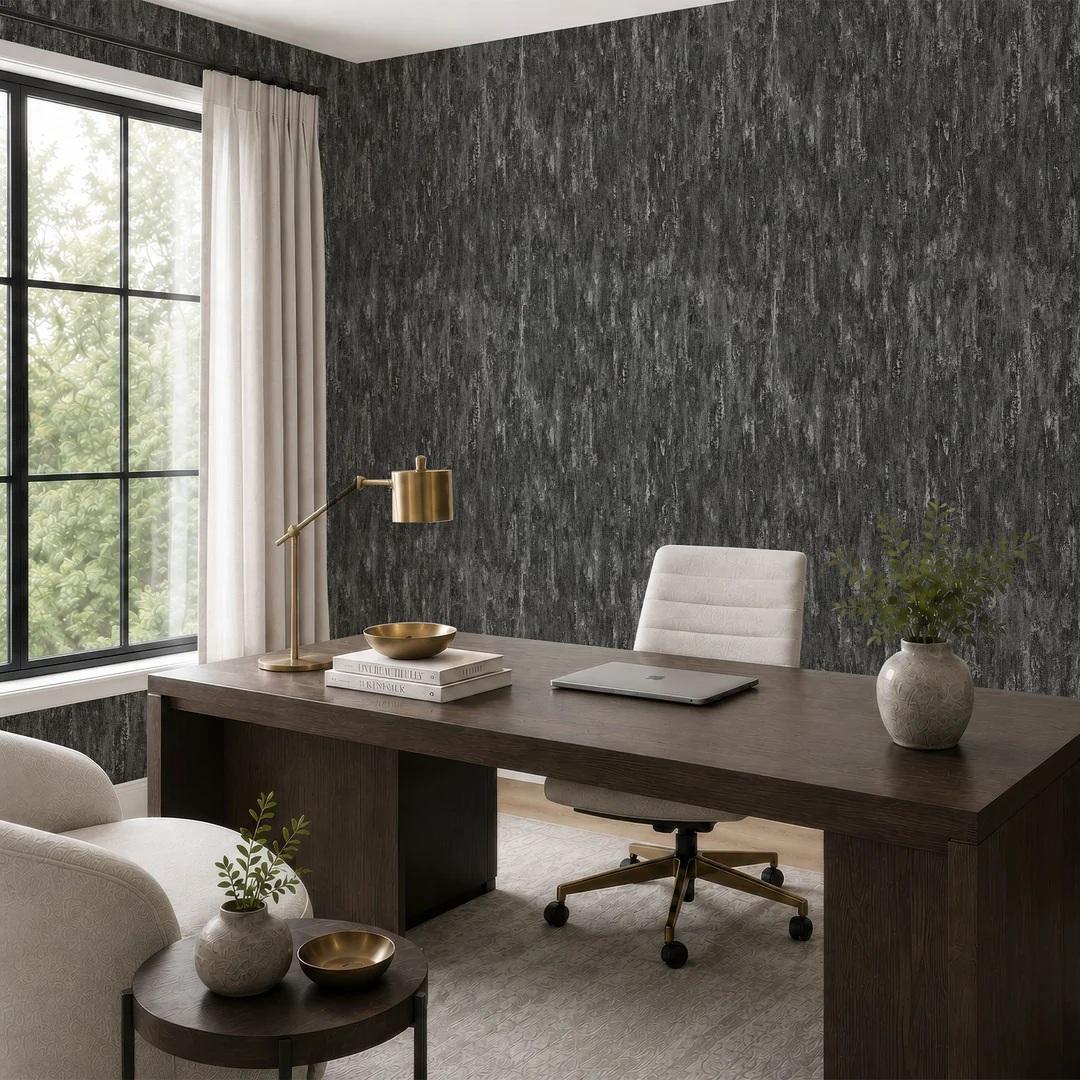
Plaster-effect wallcoverings can deliver a similar refined look for a fraction of the cost. Matte plaster and shimmer plaster finishes add depth and light reflection while being far easier to install and replace.
Option 3: Rich Solid Tones
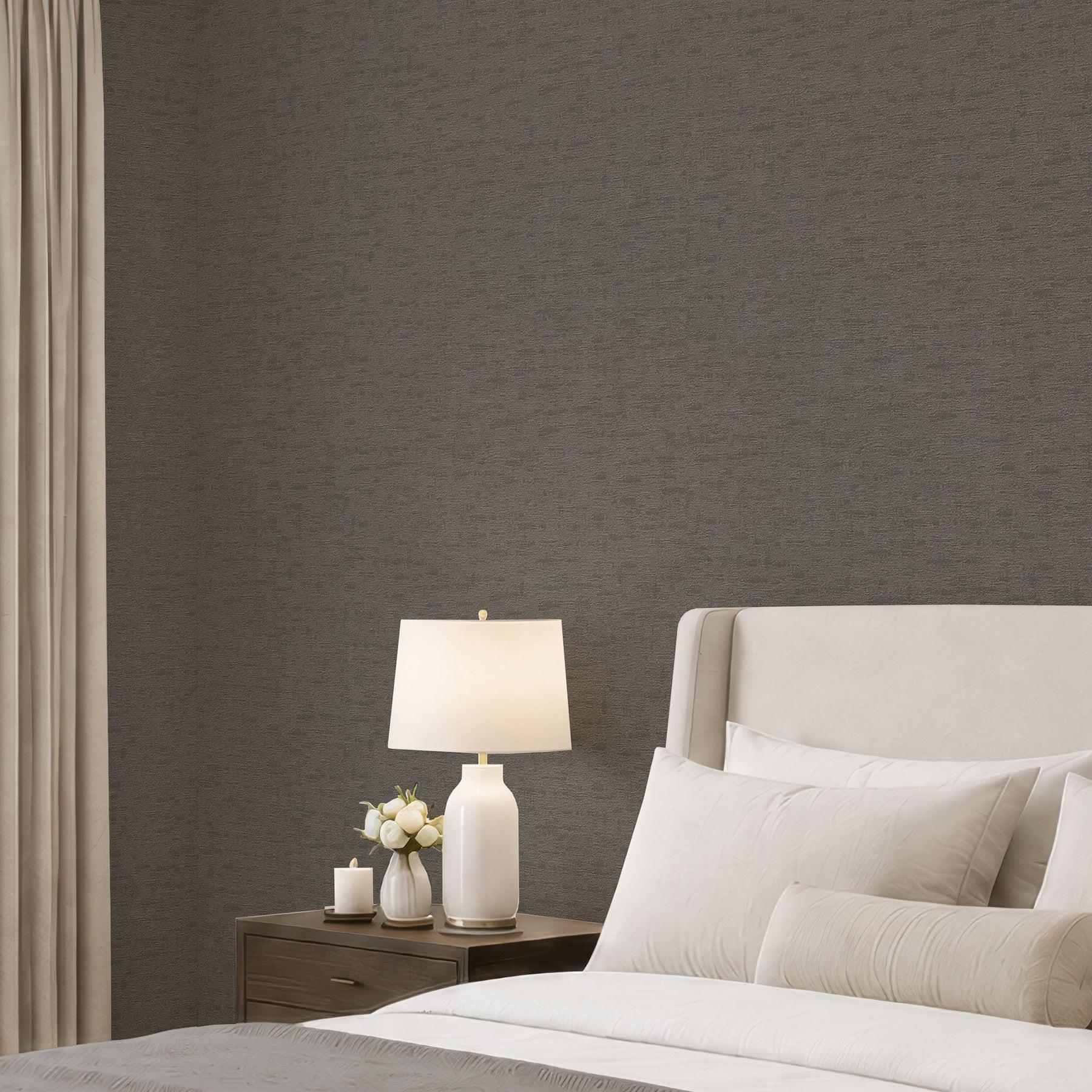
Sometimes the most sophisticated choice is a single, deep color. Solid shades like charcoal, graphite and slate bring drama and elegance, especially in libraries, studies, dining rooms and bedrooms. They also make an ideal backdrop for art, wood furniture and metallic accents.
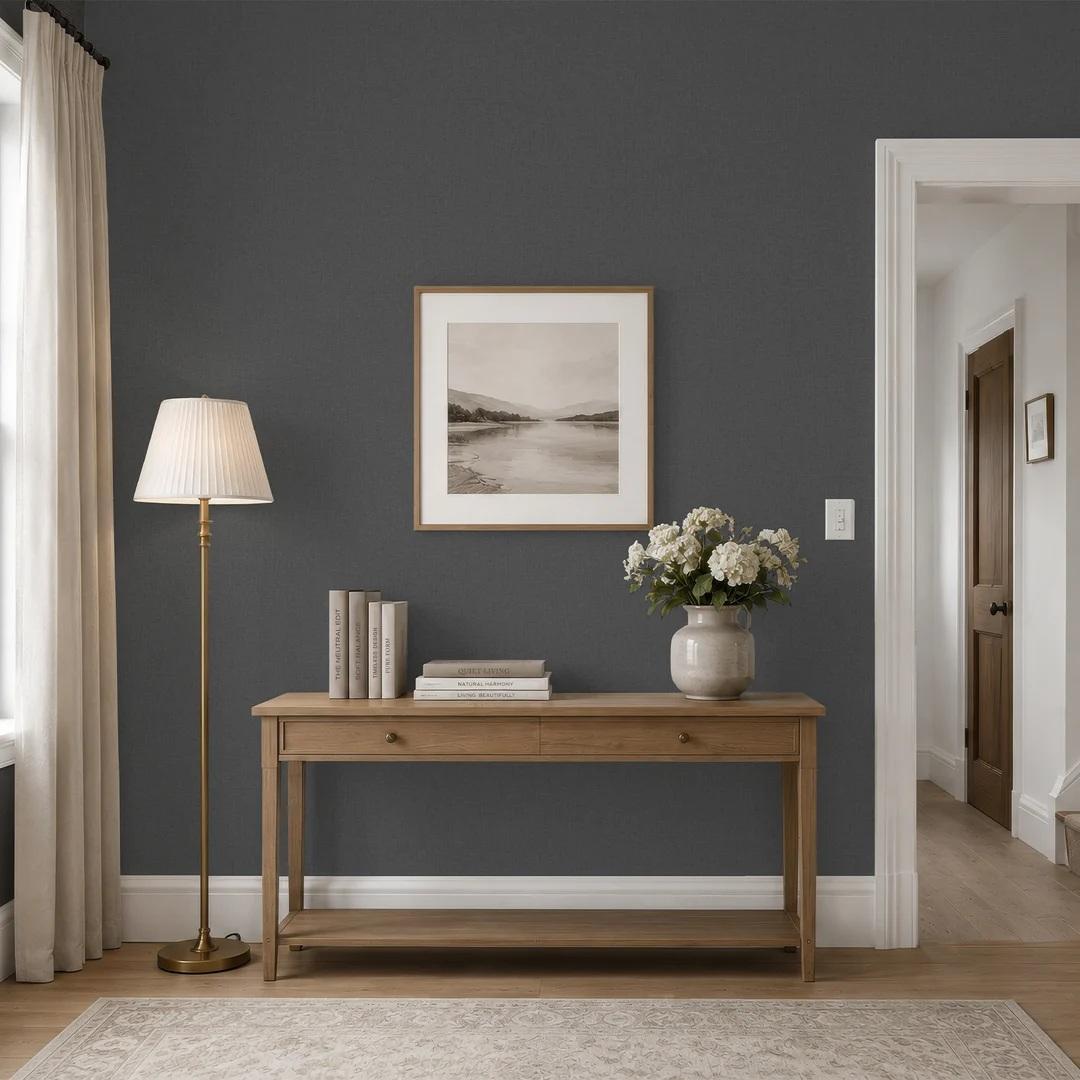
The difference between an ordinary grey wall and a premium one lies in the surface. Plain painted walls can look flat and show every imperfection. A dark grey wallpaper with a fine woven or textured finish reads as a solid color from a distance but reveals subtle depth up close. It gives a room a tailored, almost upholstered feel that suits both traditional and modern interiors.
How to Choose the Right Finish
Ask yourself a few questions before committing:
- What is the mood? Limewash feels relaxed and airy, plaster feels grand and polished, and deep solid tones feel intimate and dramatic.
- What is the architecture? Traditional homes with moldings and fireplaces suit plaster and deep tones; cottages and coastal homes suit limewash.
- How much light does the room get? Dark solids work best in rooms used in the evening; limewash shines in bright, sunny spaces.
- How much maintenance can you handle? Wallcoverings are easier to clean and more consistent than hand-applied finishes.
Combining Finishes for a Layered Look
You do not have to choose just one. Many designers combine finishes to create flow and contrast within a home. For example:
- Limewash effect in a hallway leading to a dark grey dining room
- Soft plaster tones in a living room with a deep charcoal reading corner
- A solid dark feature wall in a bedroom with lighter textured walls around it
Keep undertones consistent, warm with warm and cool with cool, so the transitions feel natural.
Final Thoughts
A premium wall finish is one of the most effective ways to give a home lasting character. Limewash brings softness and history, plaster brings polish and grandeur, and deep solid tones bring drama and sophistication. Whichever you choose, focus on texture and quality, because the right walls will make every piece of furniture, art and light in the room look better for years to come.