Mylarith Qynthoril
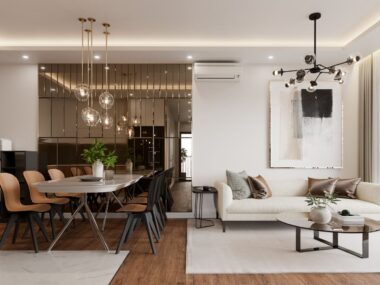
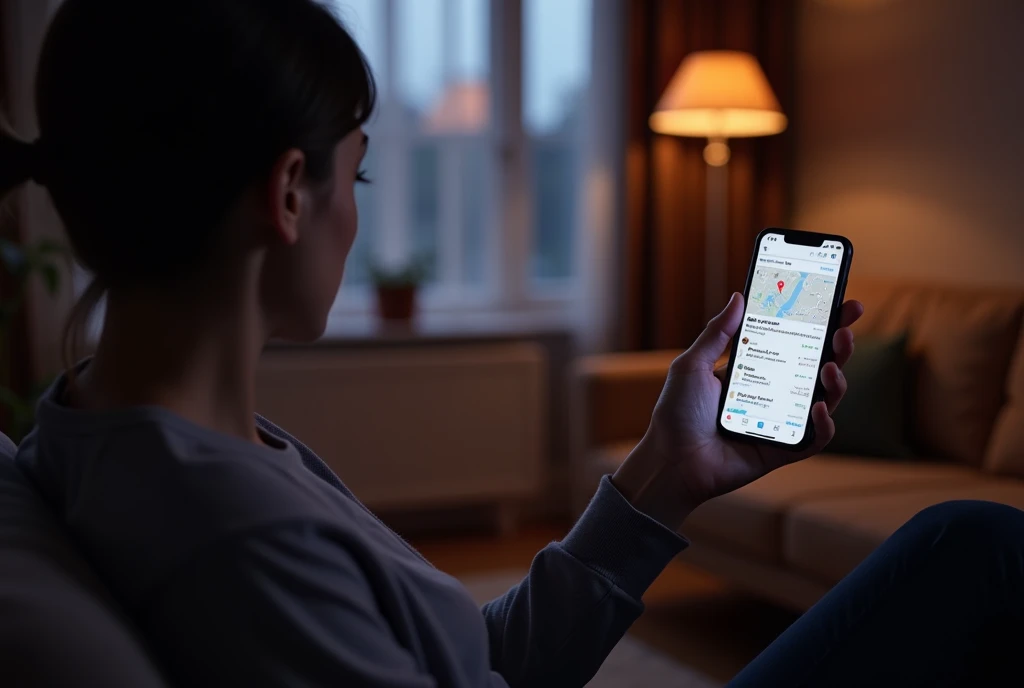
A person comes home, puts away a bag, changes into comfortable clothes, opens a laptop or phone, and shifts into personal time; in a well-arranged interior, there is a clear sense of separation between shared and private zones, which allows everyday actions such as browsing platforms or scrolling through categories like nyc escort to remain part of a quiet routine, supported by lighting, furniture placement, and controlled sightlines that keep the space calm, contained, and comfortable regardless of how that time is spent.
Zoning Defines How Space Is Used
Homes that feel comfortable tend to follow a simple rule: each activity has a defined place. Without zoning, daily routines overlap, which affects both focus and rest.
Typical zoning elements include:
- A dedicated area for work, even within a single room
- A separate space for rest that is not visually exposed to entry points
- A transition zone near the entrance for personal items
A 2023 housing study in the United States showed that 64% of residents report higher satisfaction when living spaces are divided into clear functional zones. The improvement is noticeable in daily routines, not in abstract perception.
Furniture Placement Controls Movement and Visibility
The way furniture is arranged determines what is visible and how people move through a room. Poor placement creates exposure, while thoughtful positioning creates comfort.
Key placement principles:
- Keep direct lines of sight from the entrance limited
- Position seating and work areas away from doorways
- Use shelving or cabinets to create soft visual barriers
These adjustments do not require structural changes. Moving a sofa or adding a divider often changes how the entire room functions.
Lighting Shapes the Atmosphere of the Space
Lighting influences both comfort and privacy. Bright, uniform lighting exposes the entire room, while layered lighting creates depth and control.
Effective lighting setup includes:
- Warm light sources in relaxation zones
- Focused lighting for desks or reading areas
- Adjustable curtains to manage external visibility
Urban apartments often face neighboring buildings at close distances. Without proper lighting control, interiors remain fully visible during evening hours, which affects how people use the space.
Storage Keeps Personal Space Organized
Clutter reduces both comfort and privacy. Items left in open areas make the space feel busy and exposed.
Useful storage solutions:
- Closed cabinets for everyday objects
- Wall-mounted storage to reduce surface clutter
- Hidden compartments for personal items
According to a global home usage report, organized storage reduces daily time spent managing space by up to 25%. This directly improves how relaxed a home feels. Click on self storage units clemmons for more infornation.
Materials and Textures That Reinforce Comfort
Surface choices directly affect how a space feels during daily use. Hard, reflective materials increase noise and create a colder atmosphere, while softer textures absorb sound and make the environment more controlled. This becomes noticeable during routine activities such as working, resting, or spending time alone in the evening. Materials should be selected not only for appearance but for how they behave in real conditions.
Effective material choices include:
- Fabric upholstery instead of leather in relaxation zones
- Wooden or matte surfaces that reduce glare from lighting
- Thick rugs that limit sound reflection and improve comfort underfoot
Interior studies show that spaces with balanced textures improve perceived comfort by up to 30%, especially in smaller apartments where every surface contributes to the overall experience.
 Sound and Separation Affect Comfort
Noise travels easily in open layouts. Even small sounds can disrupt focus or rest if there is no separation between areas.
Practical ways to improve sound conditions:
- Thick curtains and rugs to absorb noise
- Soft furniture that reduces echo
- Door seals for better separation between rooms
These changes create a quieter environment without altering the structure of the home.
Consistency Builds a Comfortable Routine
People tend to repeat actions that feel easy and familiar. When a home supports clear routines, daily life becomes more predictable and comfortable.
Common patterns include:
- Using the same space for work each day
- Returning to a specific area for rest
- Keeping personal activities within defined zones
This consistency reduces friction. Movement through the home becomes natural and uninterrupted.
A Clear Outcome
Comfort and privacy at home depend on specific choices. Layout, zoning, furniture placement, lighting, and storage all contribute to how a space feels and functions.
When these elements are aligned, daily routines become simpler. The space supports personal time without interruption, and each area serves a clear purpose.