 Mylarith Qynthoril
Checklist for summer roof plumbing middle class homes helps homeowners prepare for heat, storms, and heavy use. The guide lists clear tasks for roof and plumbing checks. It shows what to inspect, what to clean, and what to fix. It gives cost-smart tips and a simple schedule. The checklist aims to prevent leaks, clogs, and expensive repairs.
Key Takeaways
- The middle class homes summer roof plumbing checklist helps prevent costly leaks by guiding homeowners to inspect and maintain roofs and plumbing before and during summer storms.
- Regularly clean gutters and downspouts, ensuring water flows away from the foundation to avoid damage and moisture buildup.
- Seal and secure plumbing vents, flashing, and pipe penetrations with quality roofing sealant to prevent water intrusion and pest access.
- Prioritize preventive repairs like replacing damaged shingles and resealing flashing using cost-smart DIY methods suitable for middle-class budgets.
- Perform post-storm inspections promptly to identify and document damage, enabling timely repairs and insurance claims.
- Maintain a summer schedule with mid-season and end-of-season checks to clear debris, inspect vents, test drains, and log repairs for ongoing home protection.
Essential Roof Visual Inspection: What To Look For From The Ground And Ladder
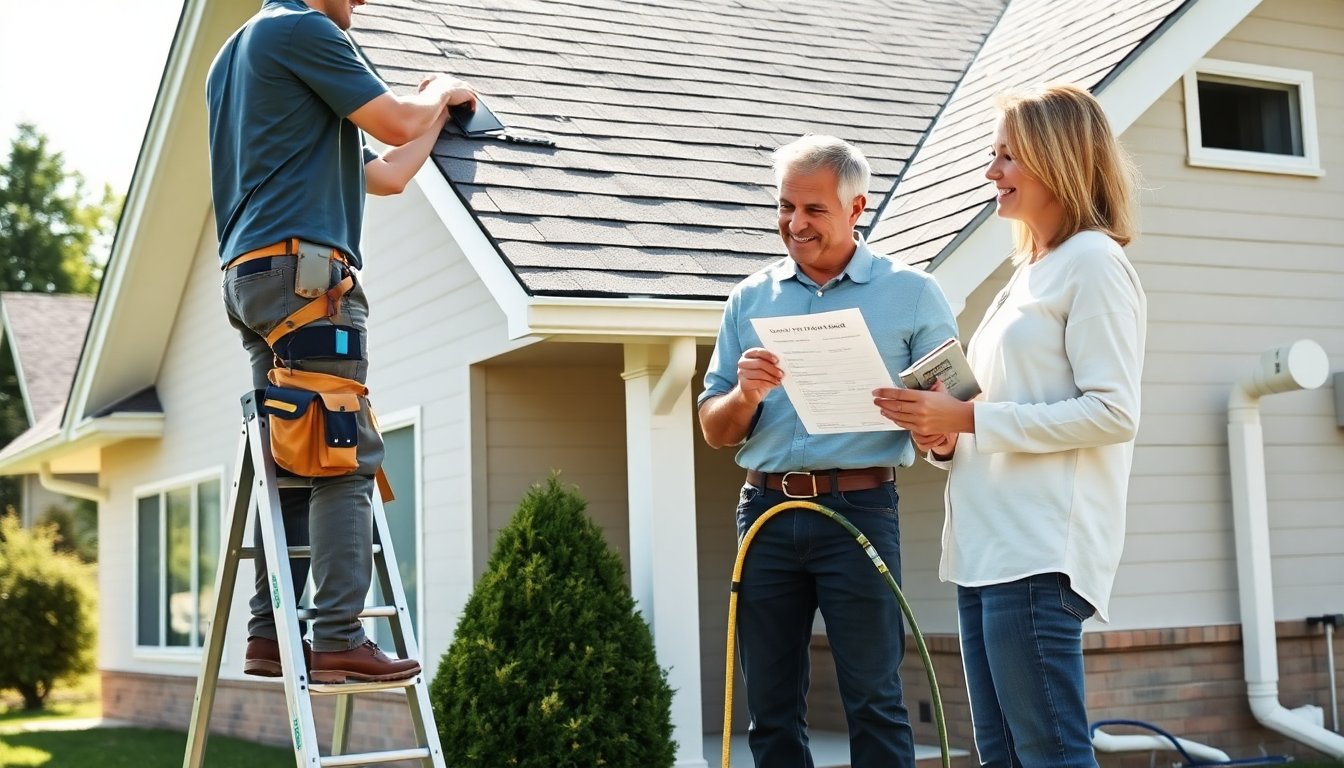
Homeowners should inspect roofs before summer storms arrive. They should look for missing shingles and split shingles. They should note sagging sections and warn a roofer if they see them. They should check ridge caps and vent covers for cracks. They should look for dark streaks that show algae or trapped moisture. From the ladder they should inspect flashing around chimneys and vents. They should test attic access next. They should enter the attic and look for daylight through the roof. They should feel for damp insulation and wet spots on rafters. The inspection reduces the chance of mid-summer leaks. The phrase middle class homes summer roof plumbing checklist reminds readers to combine roof and plumbing checks.
Gutters, Downspouts, And Drainage: Clean, Direct, And Test Water Flow
They should clean gutters in late spring and again in mid-summer if trees drop leaves. They should remove sticks, seed pods, and mud that block flow. They should flush each gutter with a hose and watch water run to downspouts. They should inspect downspout joints and tighten loose straps. They should extend downspouts at least four feet from the foundation. They should check grading near the house and add soil where water pools. They should install simple splash blocks to move water away. They should test roof runoff during a hose flush to ensure water goes toward drains. A clear gutter prevents water from backing under shingles and into attic spaces. This step belongs on every middle class homes summer roof plumbing checklist.
Plumbing Vents, Flashing, And Pipe Penetrations: Seal, Secure, And Replace
They should inspect roof plumbing vents for cracked collars and loose caps. They should check flashing where pipes and vents meet roofing material. They should look for gaps that let water or pests in. They should remove old caulk and replace it with a high-quality roofing sealant. They should tighten or replace vent pipe collars that rock when pushed. They should replace brittle rubber boots on older homes. They should confirm that vent caps sit level and have intact screens. If flashing shows rust or gaps they should plan a replacement. They should note that small fixes during summer cost less than emergency repairs after a storm. The middle class homes summer roof plumbing checklist calls out these simple fixes to avoid leaks.
Preventive Repairs, Materials, And Cost-Smart DIY Tasks For Middle-Class Budgets
They should prioritize quick fixes that extend roof life. They should replace three to five damaged shingles now rather than wait. They should buy matching shingles and roofing nails from a local supplier. They should use zinc or copper strips near the ridge to limit algae growth. They should reseal flashing with roof-grade sealant and buy extra sealant for future touch-ups. They should clean and test gutter hangers and replace broken hangers. They should pack a small repair kit with sealant, replacement shingles, and gloves. They should use a rated ladder and a spotter for safety. They should call a licensed contractor for big repairs or steep roofs. For plumbing checks they should clear sink and shower drains and test roof drains. The checklist links to useful resources on routine care and to an existing essential plumbing guide for basic tasks.
Post-Storm Actions And Ongoing Summer Maintenance Schedule
They should inspect the roof within 24 hours after a strong storm. They should check for lost shingles, dented metal, and displaced flashing. They should clear gutters of new debris and flush downspouts. They should photograph all damage for insurance claims. They should call a roofer if they see large areas of missing roofing material. They should check attic spaces for leaks and stains within a day. They should schedule a mid-summer check and an end-of-summer check. They should list simple tasks for each visit: clear gutters, inspect vents, test drains, and reseal small gaps. They should log repairs and costs in a simple notebook. They should follow this schedule to keep the home dry and to limit repair expenses. The middle class homes summer roof plumbing checklist works as a repeatable routine for the season.