 Qyndarix Thalendros
Creating Private Relaxation and Intimate Outdoor Retreats
Privacy transforms an ordinary garden corner into a personal sanctuary. Install cedar screens, plant dense native evergreen hedges, or use tall ornamental grasses to block sightlines while maintaining airflow. Add layers of sensory elements: comfortable all-weather furniture, soft pathway lighting on timers, and fragrant plants like lavender, lemon balm, and sweet woodruff.
A thoughtfully designed private retreat with comfortable seating, soft lighting, and fragrant plants becomes the perfect personal sanctuary — whether you prefer peaceful solo evenings or choose to share it with sophisticated companionship from Slixa Minneapolis, your upgraded outdoor space will elevate every moment.
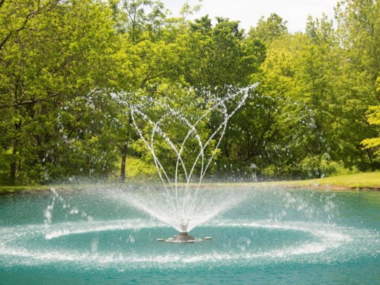
Running water from a small fountain masks city noise and creates a calming focal point. Evening lighting extends usability by 2–3 hours daily, especially valuable during our short northern summers. Research confirms that biophilic design, with its direct connection to nature, measurably reduces stress and cortisol levels. Your garden retreat becomes more than decoration. It serves as a daily reset button.
Assessing Your Current Outdoor Space
Start every project with a thorough site audit. Walk your yard at three different times of day and note where sun hits, where shade falls, and how wind moves across the property. Minnesota’s microclimates vary dramatically between south-facing slopes and low-lying areas that collect cold air.
This assessment prevents 80% of common mistakes. Homeowners who skip it often plant sun-loving species in shade or install patios that become unusable in July heat. Proper evaluation saves both time and money by matching solutions to actual conditions instead of assumptions.
Building Healthy Soil and Choosing the Right Plants
Healthy soil forms the foundation of every successful garden. Amend your existing ground with 2–3 inches of compost and aged manure each spring. Top with 3 inches of shredded hardwood mulch to retain moisture and suppress weeds. These organic additions improve structure and feed beneficial microbes that Minnesota clay desperately needs.
Choose native plants whenever possible. Species like purple coneflower, black-eyed Susan, little bluestem, and wild bergamot thrive in our region. They cut water consumption by 50–70% compared to non-native alternatives while supporting local pollinators and birds. These plants also deliver year-round interest: seed heads for winter texture, colorful fall foliage, and early spring blooms.
Focus on low-maintenance perennials and ornamental grasses that survive zone 4 winters without protection. Group plants with similar water and light needs together. This single decision reduces both workload and replacement costs dramatically.
Adding Hardscaping for Structure and Functionality
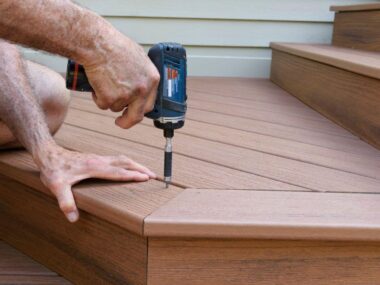
Hardscaping gives your garden permanent bones that survive Minnesota freeze-thaw cycles. Start with a well-drained patio using concrete pavers or natural stone set on a proper gravel base. Add curved pathways that guide movement and prevent compacted lawn areas. Raised beds made from cedar or composite materials solve both drainage and accessibility issues.
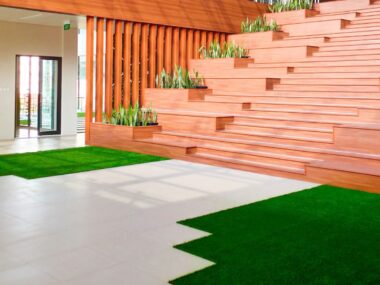
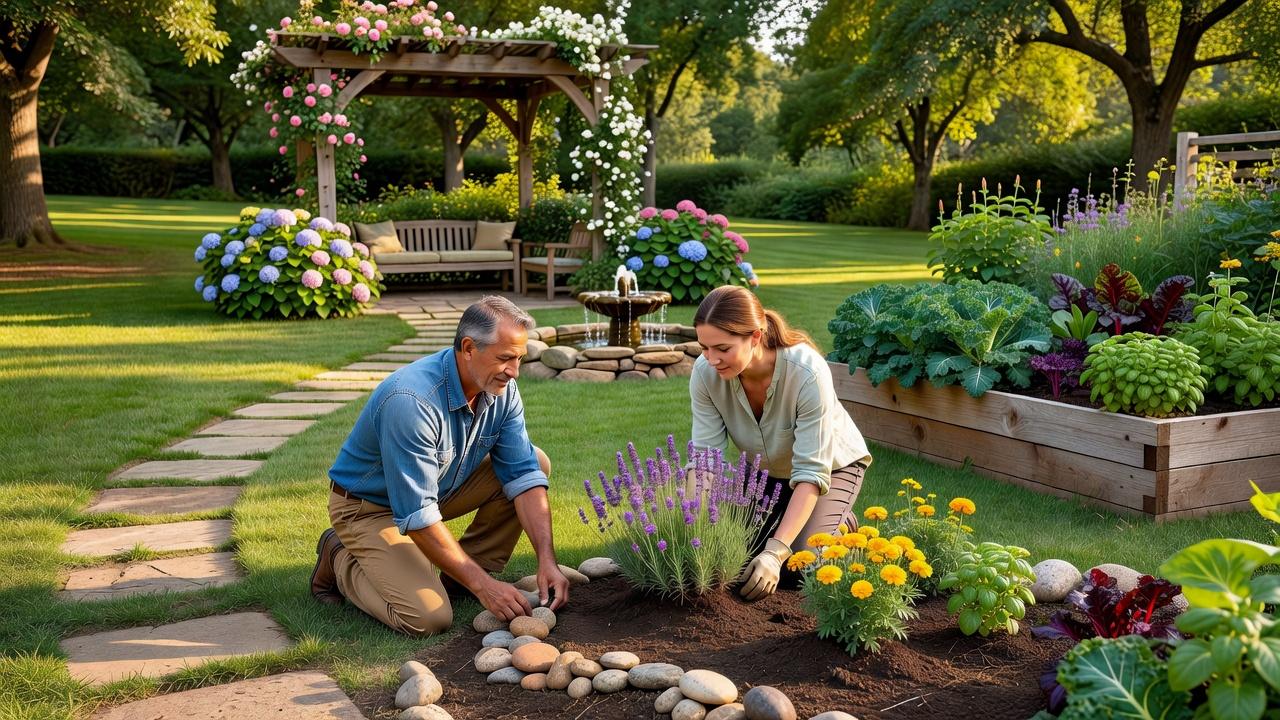
Install a simple pergola over the seating area to create vertical interest and support climbing native vines. Retaining walls become opportunities to build in seating while managing slopes common in Minneapolis neighborhoods. These elements define zones, improve accessibility, and deliver decades of service with minimal upkeep when installed correctly.
Designing Smart Garden Zones
Divide even modest yards into distinct functional areas that flow naturally. Place the dining zone near the kitchen for convenience. Create a lounge area in the sunniest corner with comfortable seating that invites afternoon use. Set the vegetable garden where it receives at least six hours of direct light and easy hose access. Leave open space for children or pets.
Vertical gardening maximizes small lots. Mount trellises on fences, use tall planters, and install living walls to add growing space without sacrificing floor area. The key lies in creating logical circulation paths so movement between zones feels effortless rather than cramped. Test your layout by walking through it with a morning coffee and evening glass of wine. Adjust until the flow feels natural.
Sustainable Practices and Smart Maintenance
Smart systems dramatically cut maintenance time. Install drip irrigation connected to a rain sensor and smart controller. Apply 3 inches of mulch annually to lock in moisture and regulate soil temperature. Create a simple compost station to recycle garden waste into free soil amendments.
Follow this seasonal framework:
– Early spring: Soil test, prune, and apply first mulch layer
– Late spring: Plant natives and set up irrigation schedule
– Summer: Spot water only as needed and deadhead selectively
– Fall: Leave seed heads for birds, cut back perennials after first frost
– Winter: Protect sensitive elements and plan next season’s improvements
These practices combined with native plants and proper mulching can reduce maintenance time by up to 75%. Your garden stays resilient through Minnesota’s extreme weather while demanding far less from you.
Your outdoor space can become the part of home you enjoy most. Start with the assessment checklist this weekend. Small, strategic moves compound into dramatic results that last for years. The season is short. Make it count.