 Qyndarix Thalendros
A traditional air conditioner has an odd career.
It works hard for a few months, then sits outside all winter like an oversized paperweight while a furnace does the real work.
That setup means two machines to service and, eventually, two to replace. A heat pump covers both jobs with one system, though the comparison has a few wrinkles worth knowing before anyone signs a quote.
How a Heat Pump Differs From a Traditional AC
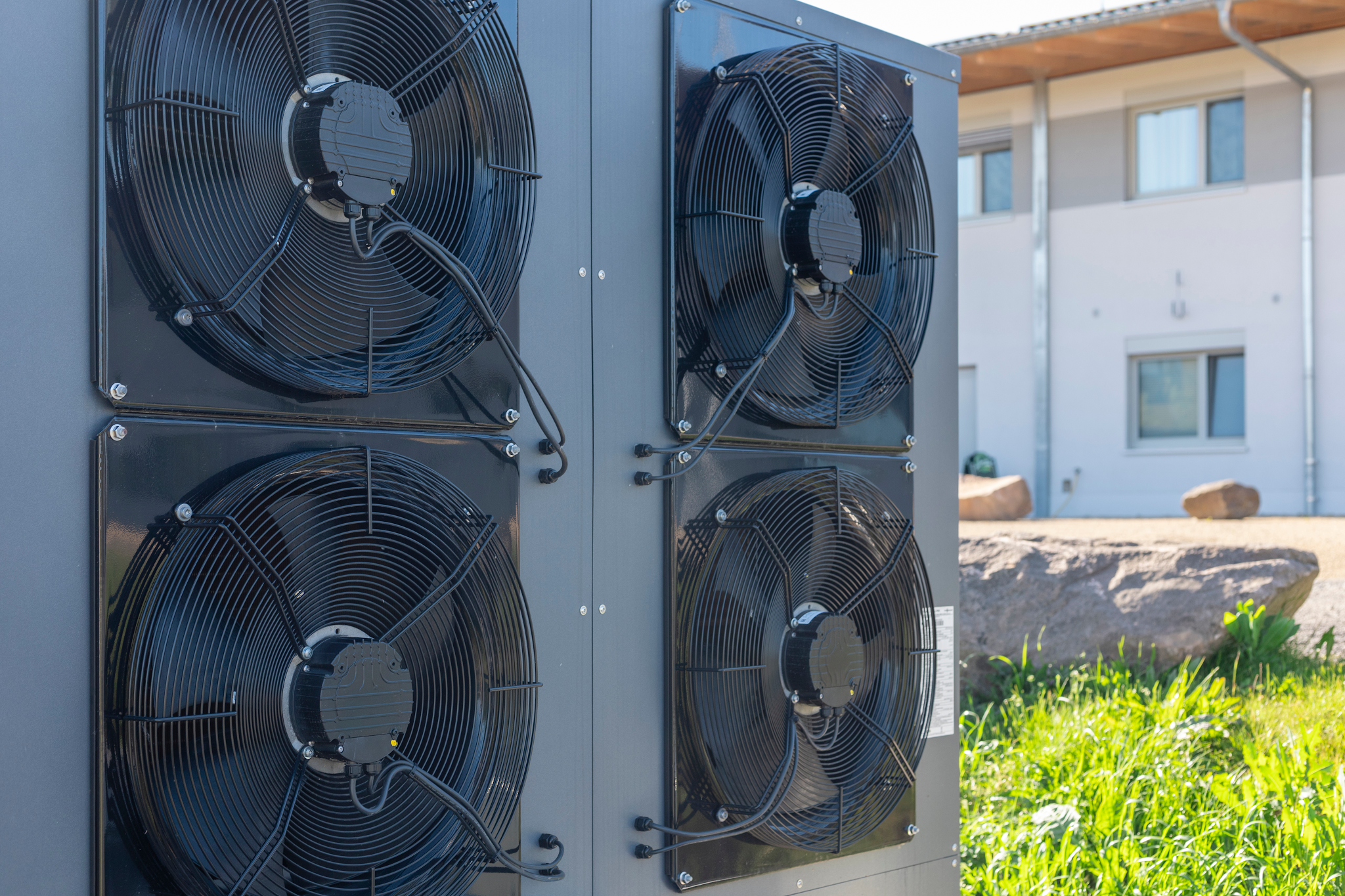
A conventional air conditioner pulls heat out of the house and releases it outdoors. A refrigerant cycle driven by a compressor and fans handles the work, and none of it can warm a room. Winter comfort has to come from a furnace or a boiler.
A heat pump uses much of the same hardware, plus a reversing valve that flips the direction of refrigerant flow. In summer it sends indoor heat outside. In winter it gathers heat from the outdoor air and moves it in. Cold air still holds usable heat, and a heat pump is built to find it.
The U.S. Department of Energy's guide to heat pump systems compares the principle to a refrigerator, which uses electricity to move heat rather than make it.
Where the Energy Savings Come From
Because a heat pump moves heat that already exists, it needs less electricity than a system generating heat directly. An efficient air-source heat pump can deliver up to three times more heat energy to a home than the electrical energy it uses. The same page notes that heat pumps beat furnaces and boilers on efficiency, even in winter.
The Department of Energy adds that a modern heat pump can cut electricity use for heating by up to 75 percent compared with electric resistance heating, such as baseboard heaters.
Headline numbers are tidy, and real houses are messier. Savings depend on climate, energy prices, insulation, equipment ratings and how the system gets used. Compare the SEER2 rating for cooling and the HSPF2 rating for heating, then check local electricity and fuel rates. In some areas a gas furnace paired with an AC can still cost less to run.
One System for Every Season
A heat pump can replace both a central AC and a separate heating system. That means one unit to maintain, fewer seasonal changeovers and fewer big machines that can fail. Ducted models often work with existing ductwork, while ductless mini-splits suit additions and older homes where adding ducts would be a headache.
For homes without ductwork, Rycor HVAC specializes in mini-split heat pump installations.
Variable-speed compressors adjust output as conditions change, which keeps temperatures steadier and cuts down on stop-start cycling. Sizing still matters. A unit that is too big or too small struggles and uses more energy than it should.
When a Heat Pump May Not Fit the Home
No heat pump suits every property. Climate, insulation, power rates and existing heating all play a part. Cold-climate models are designed for temperatures as low as 5°F, and ENERGY STAR certification for them requires independently verified tests down to that point. Some homes still want backup heat during severe cold.
A traditional AC remains a sensible choice for a home that only needs cooling or already has good heating it plans to keep.
Installation quality matters as much as the model. Leaky ducts, a wrong refrigerant charge, poor airflow or dirty filters all chip away at efficiency, so professional maintenance pays off. Homeowners chasing a temperature problem can troubleshoot by looking into basic heating issues before scheduling a repair.
Choosing Between a Heat Pump and a Traditional AC
A household replacing both its cooling and heating equipment should look closely at a heat pump. Compare equipment ratings and local running costs, then ask a contractor to estimate the monthly bill before installation.
A well-sized unit with routine care can cover both seasons, and the outdoor unit finally gets some winter work.