 Qyndarix Thalendros
Flooring can be a significant investment for homeowners. It shapes the look of every room, handles daily wear and tear, and needs to stay looking good for years. For middle-class families, the main challenge is finding flooring that offers quality, affordability, and style. As more homeowners look for natural fibre options, one material continues to stand out.
Flooring is not just about looks. It has to handle the daily demands of a busy home, suit different decorating styles, and provide lasting value without stretching the budget. As more people consider environmentally conscious home upgrades, natural fibre flooring has become an increasingly popular option for those looking for something durable and timeless.
What Makes Sisal a Natural Standout
Sisal is made from the fibres of the Agave sisalana plant, which grows in tropical regions. These long, strong fibres are harvested, processed, and woven into rugs and carpets. The finished material is durable, naturally derived, and biodegradable under suitable conditions.
Compared with many synthetic carpets, sisal is generally considered a more environmentally friendly flooring material. It is typically grown with minimal pesticide use, and the natural fibres can break down over time at the end of their life. For homeowners looking to reduce their environmental impact, this makes sisal an appealing choice.
When exploring sisal rugs, homeowners will find a wide range of textures, weave patterns, and neutral colours. Whether you prefer herringbone or basketweave, there are styles to suit both modern and traditional homes. Natural shades of cream, tan, and brown complement almost any interior design style.
A Budget-Conscious Choice That Doesn’t Compromise on Quality
Middle-class families often need to balance quality with affordability. Sisal provides a combination of durability and long-term value that compares well with many synthetic alternatives.
Sisal fibre is naturally strong and hard-wearing. With proper care, a quality sisal rug can last for many years. Over time, this can make it a more cost-effective choice than lower-priced rugs that need replacing more frequently.
natural fibre flooring can also maintain its appearance for many years when properly maintained, particularly in areas with moderate foot traffic. This makes sisal a practical option for living rooms, hallways, dining rooms, and home offices.
Although the initial purchase price is often comparable to a mid-range synthetic carpet, the longer lifespan of a well-maintained sisal rug may provide better long-term value for many households.
Health and Allergy Benefits for Families
Many families are becoming more aware of indoor air quality. Carpets can collect dust, pet hair, and other airborne particles over time, making regular cleaning an important part of maintaining a healthy home.
Sisal’s firm, tightly woven construction may trap less dust than some plush carpets and is generally easy to vacuum effectively. This makes it a practical option for households with children, pets, or family members who are sensitive to dust.
Another advantage is that many sisal rugs contain fewer synthetic materials than conventional synthetic carpets, although this varies depending on the manufacturer and any added backings or finishes.
Some synthetic carpets may release volatile organic compounds (VOCs) for a period after installation. Depending on the product and installation materials used, sisal rugs may produce lower VOC emissions, making them an option worth considering for homeowners who prioritise indoor air quality.
Reducing unnecessary VOC exposure is widely recognised as one part of maintaining healthier indoor air. Choosing natural flooring materials can be one way homeowners support that goal.
Styling a Middle-Class Home With Sisal
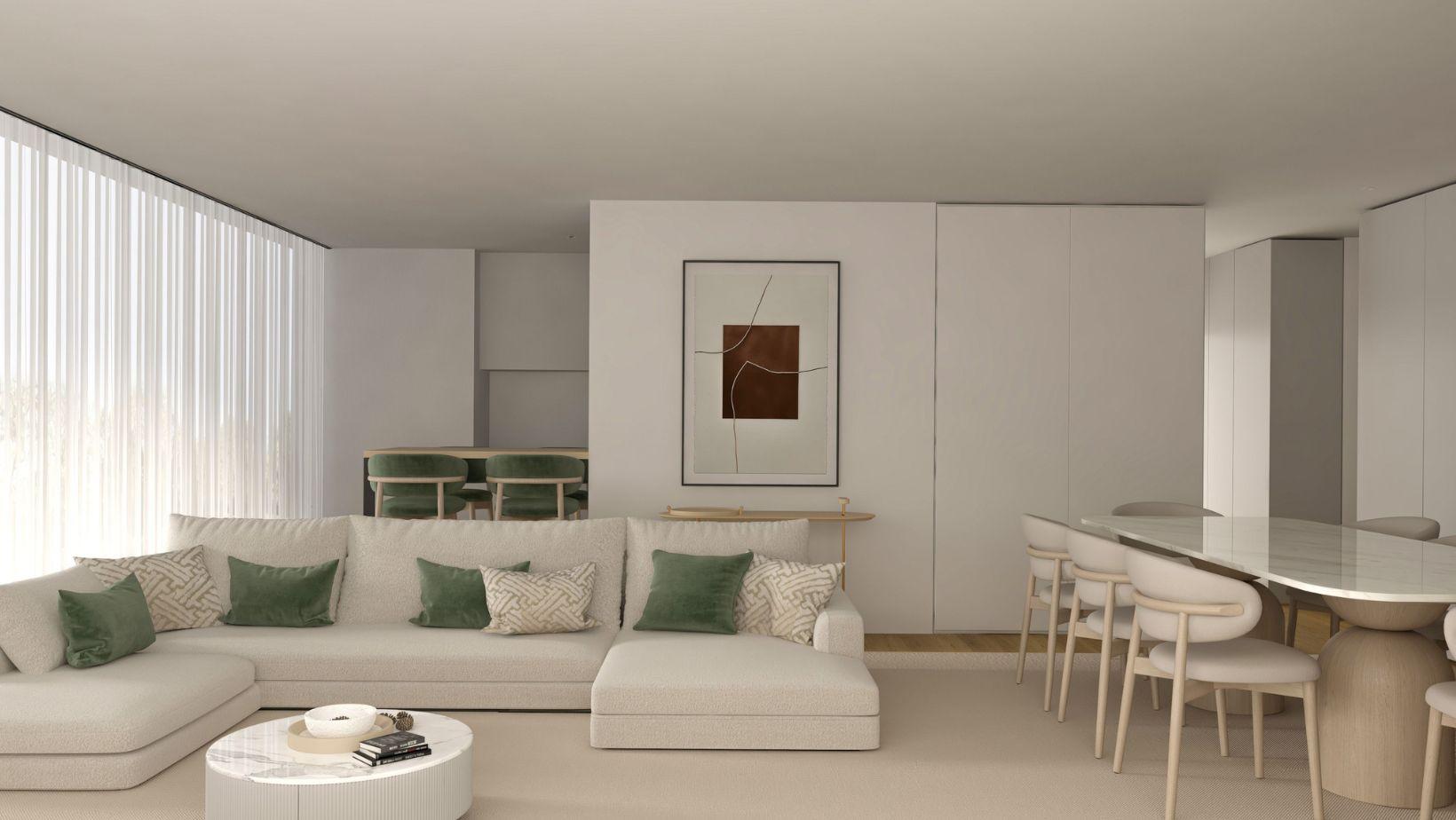
Sisal is more versatile than many people expect. Some homeowners associate natural fibre rugs with rustic or coastal interiors, but they also work well in modern, Hamptons-inspired, Scandinavian, and traditional homes.
The neutral colours of sisal create a balanced foundation for a room. Bright furniture, colourful cushions, and artwork stand out naturally against its textured surface. This is one reason many interior designers use sisal as a base because it complements rather than competes with other décor.
Layering rugs has also become increasingly popular. Placing a decorative rug over a larger sisal rug adds warmth, texture, and visual depth while allowing homeowners to update the look of a room without replacing the larger foundation piece.
Practical Maintenance That Fits Busy Lifestyles
Most homes are busy. Parents, working couples, and families with active children need flooring that is straightforward to maintain. Sisal fits this need well.
Regular vacuuming helps keep sisal looking its best. If a dry spill occurs, it is best to remove it promptly by blotting rather than rubbing. Because dirt tends to remain closer to the surface, routine cleaning is generally simple.
Sisal performs best in dry indoor areas and is not typically recommended for bathrooms, laundry rooms, or other moisture-prone spaces. However, it is well suited to living rooms, bedrooms, studies, hallways, and similar areas where it can provide years of reliable use with minimal maintenance.
Making a Smart Long-Term Investment
Choosing the right flooring is about more than immediate appearance. It influences how your home looks, feels, and performs for years to come. Sisal offers a combination of durability, natural appeal, practical maintenance, and timeless style that many homeowners appreciate.
For households looking for an option that sits between inexpensive laminates and premium hardwood flooring, sisal can provide an attractive balance of quality, value, and longevity. If you are looking for flooring that combines practicality with classic style, sisal remains a strong choice for many middle-class homes.