 Mylarith Qynthoril
A beautiful home creates an environment that supports relaxation, productivity, health, and everyday convenience. While interior design often emphasizes visual appeal, the most successful homes balance aesthetics with comfort.
Every design decision, from furniture placement to lighting choices, shapes how a space feels throughout the day. For homeowners, especially those looking to maximize the value and livability of middle-class homes, comfort should guide every stage of the design process. Let’s see how home comfort can influence your interior design choices.
Comfort Begins with a Functional Layout
An attractive room quickly loses its appeal if it interrupts the natural flow of everyday life. A functional layout allows people to move effortlessly between spaces while supporting the activities that occur there.
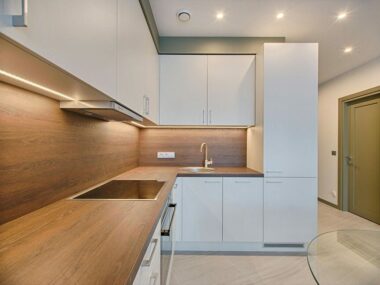
Living rooms should encourage conversation without feeling cramped, kitchens should minimize unnecessary movement during meal preparation, and bedrooms should provide a peaceful retreat away from busy household areas.
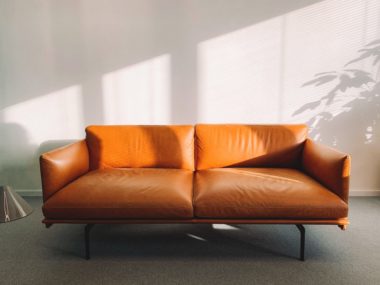
Furniture placement also contributes significantly to comfort. Oversized pieces can overwhelm modest-sized homes, while furniture that is too small often leaves rooms feeling disconnected. Selecting appropriately scaled furnishings creates visual harmony while preserving circulation paths that make each room more enjoyable.
Temperature Shapes the Entire Living Experience
Few design elements influence comfort as consistently as indoor temperature. Even the most beautifully decorated room becomes unpleasant when it feels excessively hot, cold, or humid. Successful interior design accounts for climate control by incorporating features that help maintain stable indoor conditions throughout the year.
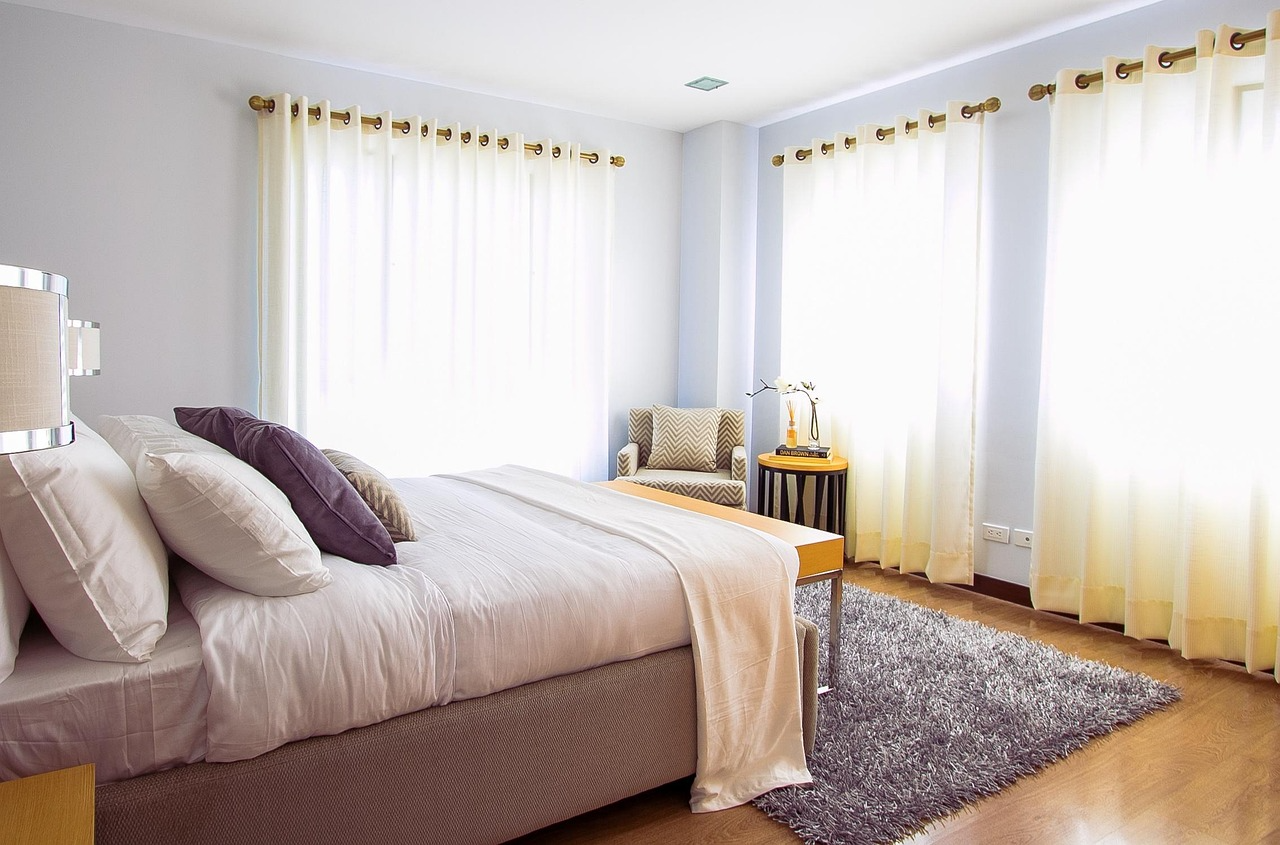
Window treatments, insulation, flooring materials, and ceiling height all affect how comfortably a room retains heat or stays cool. Layered curtains can reduce heat transfer, while area rugs soften hard flooring during colder months. Ceiling fans improve air circulation and complement heating and cooling systems without dominating the room’s visual design.
When homeowners notice uneven temperature between rooms or declining efficiency, it is often wise to repair your HVAC system before investing in cosmetic updates. A comfortable indoor climate allows every carefully selected design feature to perform its intended purpose while enhancing the overall living experience.
Lighting Creates Emotional Warmth
Lighting influences mood, energy levels, and the perceived size of a room. Well-planned lighting transforms interiors by balancing natural daylight with carefully selected artificial illumination. For example, large windows brighten interiors while visually connecting spaces with outdoor surroundings.
On the other hand, light-colored walls and reflective surfaces amplify daylight, reducing dependence on artificial lighting during daytime hours. After sunset, layered lighting creates flexibility. Ambient lighting establishes general illumination, task lighting supports reading and cooking, and accent lighting highlights artwork or architectural details. Combining these layers prevents harsh contrasts while creating a welcoming atmosphere suited to different activities throughout the day.
Materials and Textures Influence Everyday Well-Being
Interior comfort is experienced through touch as much as sight. The materials used throughout a home determine how inviting each space feels while influencing durability, maintenance, and long-term satisfaction. For example, natural wood introduces warmth and character that synthetic materials struggle to replicate.
Upholstered furniture with breathable fabrics provides greater comfort during extended use, while soft textures such as wool rugs, cotton throws, and linen curtains contribute subtle layers of coziness. Choosing quality materials over constantly changing trends often results in interiors that remain comfortable and attractive for many years.
Personalization Makes Comfort Last
The most comfortable interiors reflect the people who live in them rather than current decorating fashions. Personalization transforms a professionally designed house into a meaningful home by incorporating family tradition, hobbies, travel memories, and everyday routines. Displaying carefully chosen artwork, treasured heirlooms, or handcrafted pieces introduces authenticity without creating visual clutter.
Endnote
Interior design succeeds when it supports how people truly live. Functional layouts, balanced temperatures, thoughtful lighting, carefully selected materials, and personal expression all work together to create spaces that promote lasting comfort. Every intentional design decision enhances daily routines, supports well-being, and contributes to a home that remains both beautiful and enjoyable for years to come.