 Mylarith Qynthoril
The first summer I spent in Duluth caught me off guard. I expected the heat, but I underestimated what the humidity could do to a home. Within a few weeks, my air conditioner seemed to run nonstop, my crawlspace felt damp after every afternoon thunderstorm, and my refrigerator struggled to stay as cold as it should. That experience changed the way I prepare my home each spring.
Georgia’s humidity doesn’t just make the weather uncomfortable. It can shorten the lifespan of appliances, increase energy bills, and create ideal conditions for mold and moisture damage. Fortunately, a little preventative maintenance before summer arrives can save you from expensive repairs later.
Whether you own a newer home near Sugarloaf Parkway or an older property closer to downtown Duluth, these seasonal maintenance tips can help keep your home cooler, drier, and running efficiently all summer long.
Key Takeaways
- Schedule HVAC maintenance before summer temperatures climb.
- Keep crawlspaces, basements, and attics dry to reduce moisture damage.
- Seal windows and doors to prevent humid air and rain from entering your home.
- Clean major appliances so they operate efficiently during hot weather.
- Check your home regularly throughout the summer instead of relying on one annual inspection.
Why Georgia’s Humidity Deserves Your Attention
Living in Duluth means dealing with long stretches of warm, humid weather from late spring through early fall. Afternoon thunderstorms are common, and moisture often lingers long after the rain has stopped. Combined with the area’s proximity to the Chattahoochee River corridor and Lake Lanier, those conditions can create persistent humidity around your home.
Excess moisture doesn’t stay outside. It can seep into crawlspaces, collect around windows, and make cooling systems work much harder than necessary. Over time, that extra strain may contribute to higher utility bills, mold growth, wood rot, and premature wear on household appliances.
One of the easiest ways to monitor indoor conditions is with a simple humidity meter. Ideally, indoor humidity should stay between 30% and 50%. If it regularly climbs above that range, it’s worth investigating the cause before moisture becomes a bigger problem.
Give Your HVAC System a Head Start
Your air conditioner has two jobs during a Georgia summer. It cools your home and removes excess humidity from the air. When maintenance is neglected, it has to work harder to accomplish both.
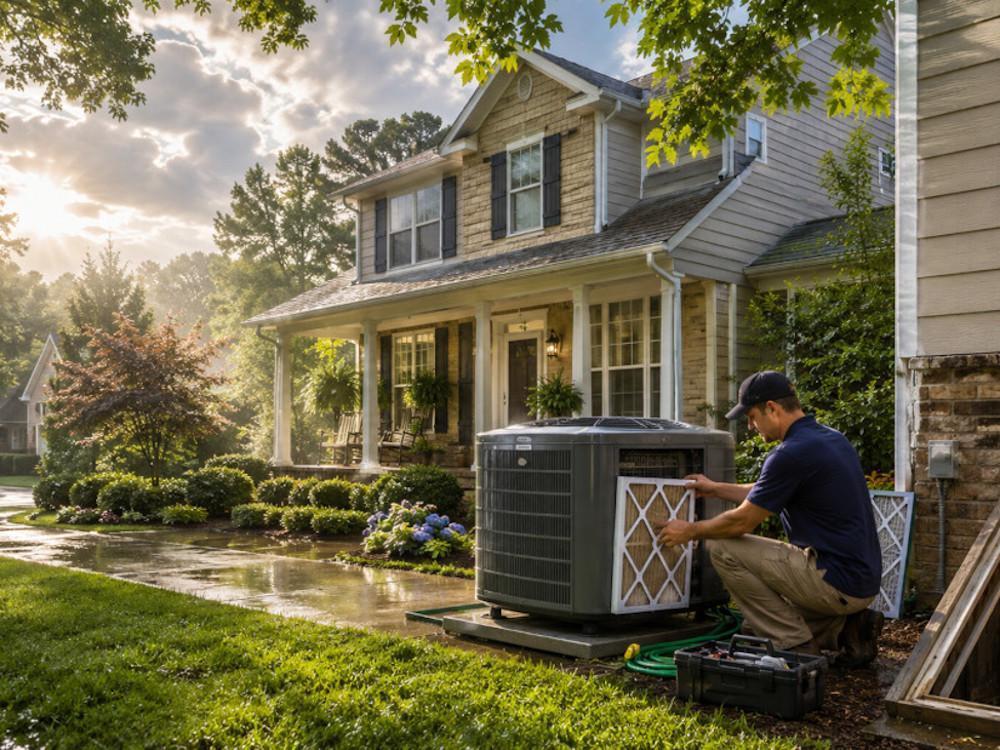
Every spring, I take about an hour to prepare my HVAC system before the hottest weather arrives. My checklist includes:
- Replacing the air filter.
- Clearing leaves, pollen, and debris from around the outdoor condenser.
- Checking that the condensate drain line is draining properly.
- Scheduling professional maintenance if the system hasn’t been serviced within the past year.
These simple tasks improve airflow, reduce strain on the compressor, and help prevent unexpected breakdowns during the hottest weeks of summer.
While routine maintenance helps prevent many problems, some issues require professional attention. If a refrigerator, freezer, or other household appliance isn’t performing properly, arranging appliance repair in Duluth before peak summer temperatures arrive can help avoid larger and more expensive repairs.
Keep Moisture Under Control
Humidity often causes the biggest problems in areas homeowners don’t visit every day.
Crawlspaces, basements, and attics are especially vulnerable because they naturally trap moisture. Older homes around downtown Duluth and Rogers Bridge frequently have crawlspaces with limited ventilation, making them even more susceptible to damp conditions.
If you’re considering turning an underused basement into a more functional living area, these smart basement renovation ideas can help you plan improvements that keep moisture under control while making the space more practical for everyday use.
One year, I noticed a faint musty smell in a storage closet near an exterior wall. At first, I assumed it was nothing serious. A closer inspection revealed moisture collecting behind stored boxes after several weeks of humid weather. Fortunately, addressing the issue early prevented mold from spreading further.
That experience taught me to check these areas regularly throughout the summer rather than waiting until fall.
Consider adding a vapor barrier or using a quality dehumidifier if your crawlspace or basement tends to stay damp. It’s a relatively small investment that can help prevent much larger repair bills later.
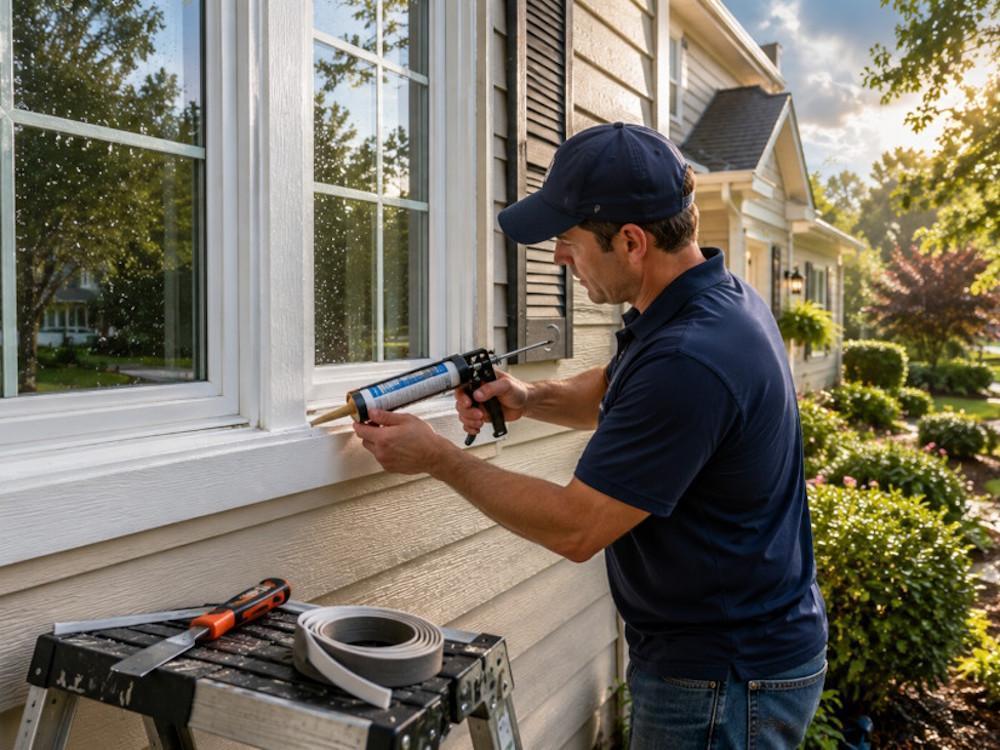
Inspect Windows, Doors, and Exterior Seals
Heavy rain and high humidity can expose small openings around your home’s exterior.
Each spring, I walk around the house looking for cracked caulk, damaged weatherstripping, or gaps around doors and windows. These issues are inexpensive to fix, but they can make a noticeable difference in comfort and energy efficiency.
Keeping humid outdoor air outside allows your air conditioner to cool your home more effectively while reducing unnecessary energy use.
Don’t forget to inspect siding, exterior trim, and roof flashing as well. Small leaks often become much larger problems after months of repeated summer storms.
Don’t Overlook Your Major Appliances
Most homeowners think about their HVAC system first, but other appliances also feel the effects of Georgia’s heat and humidity.
A few maintenance tasks every season can help them run more efficiently:
- Vacuum refrigerator condenser coils to improve heat transfer and reduce compressor strain.
- Leave the washing machine door open after each load to discourage mold and mildew.
- Clean the dryer vent and exhaust duct to improve airflow and reduce fire risk.
- Make sure garage refrigerators or freezers have enough clearance around them for proper ventilation.
These projects usually take less than an hour, yet they can improve performance, lower energy consumption, and extend appliance life.
Every Neighborhood Has Its Own Challenges
I’ve noticed that different parts of Duluth experience humidity a little differently.
Homes surrounded by mature trees near Sugarloaf Country Club or Sweet Bottom Plantation often stay naturally cooler during the afternoon, but shaded areas around the foundation tend to remain damp longer after rain.
Meanwhile, homes closer to Peachtree Industrial Boulevard usually receive more direct afternoon sunlight, causing cooling systems to run longer during peak summer temperatures.
No matter where you live, regular inspections throughout the season are far more effective than a single spring maintenance checklist.
A Reminder From a Neighbor’s Experience
One summer, a neighbor mentioned that her refrigerator had started making an unusually loud humming noise. At first, she assumed it was simply working harder because of the heat.
When the noise continued, she called Appliance EMT, a company that many homeowners in Duluth recommend for appliance repair. The technician discovered that dust-covered condenser coils and a worn door gasket were forcing the compressor to run almost constantly. After cleaning the coils and replacing the failing seal, the refrigerator returned to normal operation.
It was a good reminder that small maintenance issues often become expensive repairs when they’re ignored, especially during Georgia’s hottest months.
Frequently Asked Questions
How often should I service my air conditioner?
Professional HVAC maintenance is recommended once a year, preferably during the spring. You should also inspect or replace your air filter every one to three months, depending on usage and indoor air quality.
Is central air conditioning enough to control humidity?
Not always. While central air removes some moisture, crawlspaces, basements, and other enclosed areas may still benefit from a dedicated dehumidifier.
What indoor humidity level is ideal?
Most experts recommend maintaining indoor humidity between 30% and 50%. Higher levels can encourage mold growth, dust mites, and musty odors.
Can humidity really damage appliances?
Yes. High humidity forces compressors, motors, and electronic components to work harder. Regular cleaning and routine maintenance help reduce wear and improve efficiency.
When should I call a professional?
If your air conditioner struggles to cool your home, appliances begin making unusual noises, or you notice persistent moisture, condensation, or mold, it’s best to have the problem inspected before it becomes a major repair.
Final Thoughts
Georgia’s humid summers are simply part of life in Duluth, but they don’t have to take a toll on your home. Preparing before the hottest weather arrives can help you avoid unnecessary repairs, lower your energy bills, and keep your home more comfortable throughout the season.
I’ve learned that seasonal maintenance isn’t about completing one big checklist every spring. It’s about paying attention to your home as the weather changes. A quick walk around the house every few weeks, combined with routine HVAC and appliance maintenance, can catch small problems before they become costly ones. By staying proactive, you’ll spend less time dealing with repairs and more time enjoying everything summer in Duluth has to offer.