 Qyndarix Thalendros
A home's exterior takes a beating all year: rain, pollen, dust and mildew settle on siding, brick and concrete, and the house that looked fresh last spring slowly turns dull. In Winston-Salem, NC, humid summers and heavy spring pollen make build-up faster than many homeowners expect, and a garden hose barely touches it.
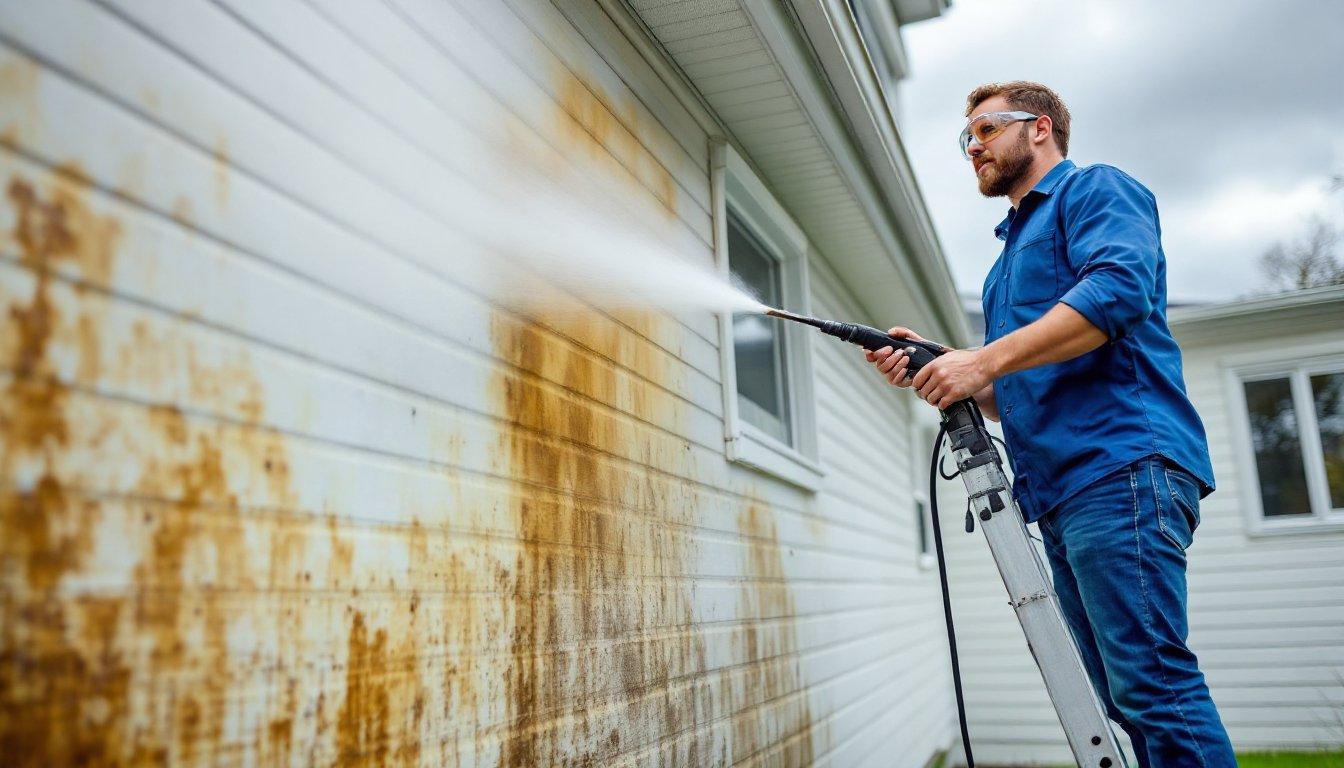
That is where professional pressure washing comes in. A thorough wash strips away the grime that dulls your home's look in a single afternoon. The result is a cleaner, brighter exterior that looks cared for, and it costs far less than repainting or replacing siding.
Why Your Home's Exterior Gets Dirty So Fast
Dirt rarely arrives all at once — it builds up slowly, and by the time you notice, the place looks tired. Pollen is the biggest culprit in spring: it coats siding and windows in a yellow film, and rain washes it into streaks that dry in place. In Winston-Salem, where tree cover is heavy and summers stay humid, that film turns to algae and mildew within a season.
Shade makes it worse. The north side of a house, or any wall under large trees, stays damp longer after rain, and damp surfaces grow green and black patches. Brick shows it as dark staining in the mortar joints, while vinyl siding turns a patchy grey-green.
Traffic adds its own marks: oil drips and tyre marks on driveways, moss in walkway joints, leaf stains on patios. The house is not falling apart — the exterior just needs a proper wash.
What a Pressure Wash Can Clean
Professional pressure washing solutions can clean far more than most homeowners realise: siding and brick take a wash well, and so do driveways, walkways, patios, decks and fences. The same visit can handle the front steps, the garage door surround, and outdoor furniture left under the trees all season.
Match the method to the surface: hard surfaces like concrete and stone handle strong pressure, while softer ones need a gentler touch. A good crew adjusts the pressure and the cleaning mix for each area instead of blasting everything the same way.
Wrong pressure can damage paint, gouge wood, or force water behind siding. Done right, a wash lifts years of grime in a few hours and leaves each surface looking close to new.
Siding and Brick: What to Know Before You Wash
Siding and brick are the most visible parts of a house, and the easiest to get wrong. Vinyl siding is tough, but high pressure can crack panels or push water behind them. The safer approach is a soft wash: low-pressure spray with a cleaning solution that breaks down mildew and algae, then a gentle rinse.
Brick needs the same care: old mortar is softer than the brick itself, and a hard jet can eat it away, so a good crew keeps the pressure low and lets the cleaning solution do most of the work. Painted brick is even more delicate — a strong jet can strip paint in patches.
Before any wash, walk around the house and note cracked panels, loose trim, or crumbling mortar, and tell the crew — better to fix them beforehand than find a problem once the water is running.
Driveways, Walkways and Patios
Concrete takes more punishment than any other part of the home's exterior, and it shows: oil drips sink in, leaves stain, moss grows in the cracks. In wet weather, algae makes walkways slippery enough to be a real hazard.
A pressure wash handles all of this in one pass: the spray lifts oil and tyre marks that scrubbing barely touches, and clears moss and algae from the joints so the surface dries faster after rain. The difference is often dramatic — a driveway that looked ten years old can look nearly new.
Patios benefit just as much: stone and paver patios collect ground-in dirt in every joint, and the wash restores the colour of the stone itself. Afterwards, sweep sand back into the paver joints so the surface stays stable and weeds have less room to grow.
How Often Should You Wash Your Home's Exterior?
Most homes need an exterior wash once a year, ideally in spring, once pollen season has passed and the weather is warm enough for surfaces to dry quickly. A late-spring wash clears the winter grime and pollen film in one visit, and the house stays clean through summer.
Some homes need it twice a year: heavy tree cover, a shaded north-facing wall, or a driveway under overhanging branches all grow algae faster. Many homeowners in Winston-Salem book pressure washing solutions once a year, usually in late spring after the pollen settles, adding a second wash in autumn if the shaded sides have greened up again.
The simplest test is your own eyes: streaked siding, a dark driveway, or a walkway that feels slippery when wet all mean the house is telling you it is time. Waiting only lets the grime bond harder.
What to Expect When the Crew Arrives
A wash day is straightforward, but prepare a little: move cars off the driveway, close all windows and doors, and clear the patio of furniture, planters and toys. Mention delicate plants near the walls so the crew can cover or rinse them.
The crew starts with a pre-rinse, then applies the cleaning solution and lets it sit for a few minutes. The wash itself is the noisy part, and most jobs take two to four hours.
Afterwards, surfaces need a few hours to dry. You can walk on a driveway the same day, but give siding and deck until the next morning before leaning anything against them. Check the work in daylight before the crew leaves, and point out any spot they missed.
Keeping the Results Longer
A wash is not permanent, but a few habits keep the house clean much longer. Clean the gutters first — overflowing gutters streak the siding every time it rains — and trim shrubs and branches that touch the walls, since they trap moisture and shade the surface.
Rinse the driveway and walkways monthly to stop dirt settling in; a light rinse takes ten minutes and keeps deep stains away. If the driveway was sealed before, ask about resealing it after the wash — a fresh seal keeps oil and water out.
Small steps like these stretch one wash from a few months to a full year, and the next wash is quicker and cheaper because the build-up never gets bad.
A clean exterior changes how a home feels, and it changes what visitors notice first. Instead of streaked siding and a stained driveway, the house looks cared for, and that first impression lasts. Booking pressure washing solutions once a year keeps the build-up from ever getting bad again, and the cost is small next to repainting or replacing siding. Pick a dry week in late spring, get the wash done, and enjoy a home that looks the way it should.