 Mylarith Qynthoril
A garden can be perfectly attractive and still feel as though something is missing. Perhaps the furniture looks a little disconnected from the house, the patio is exposed to the elements, or there is no obvious place to sit when the sun is bright but the air remains cool. Often, the answer is not more planting or another decorative feature. It is a structure that gives the outdoor space purpose.
A pergola can provide exactly that. More than a framework for climbing plants, it creates definition, shelter and a sense of arrival. It can turn an underused corner into an outdoor room, making the garden feel more considered without requiring a complete redesign.
What Does a Pergola Add to a Garden?
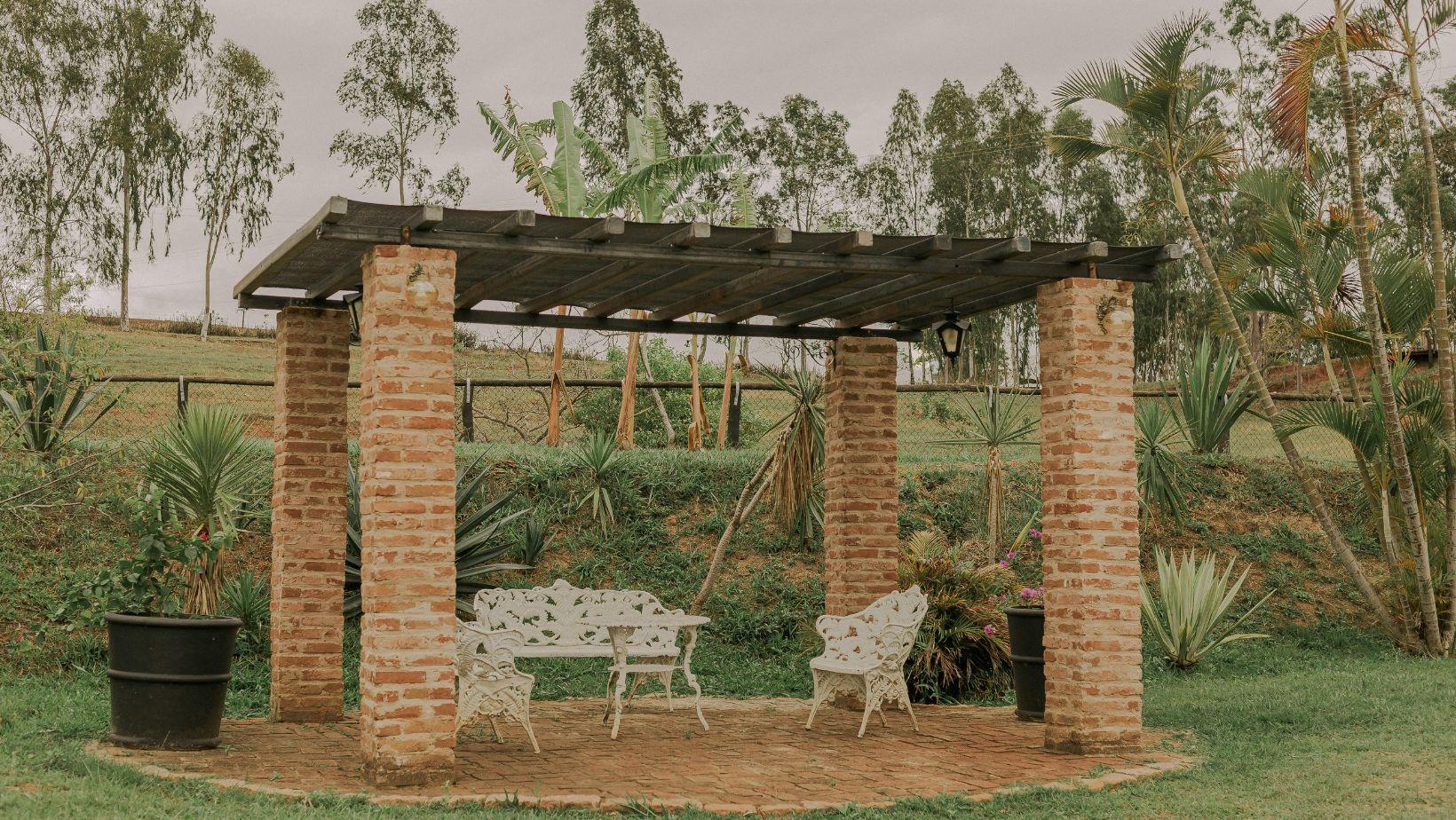
At its simplest, a pergola is an open-sided structure supported by posts, usually with a roof made from beams, slats, or a retractable covering. Its openness distinguishes it from a gazebo or enclosed garden room, while its strong lines give it more visual presence than a standard patio canopy.
That balance is part of its appeal. A pergola can provide shade without making the garden feel enclosed. It can offer some protection from light rain while still allowing air to circulate. Most importantly, it gives furniture and outdoor activities a clear setting.
This matters because gardens are often designed as a collection of individual elements: lawn, paving, planting, seating and perhaps a barbecue. A pergola helps connect those elements. It acts as an architectural bridge between the house and the garden, especially when its materials or colours complement existing windows, doors or fencing.
Creating a More Useful Outdoor Room
The most successful pergolas are not installed simply because they look attractive. They support how the household actually uses the garden.
A dining table beneath a pergola can make outdoor meals feel more practical, particularly when the weather is unpredictable. A pair of comfortable chairs can create a dedicated reading or conversation area. With suitable lighting, the same space can remain useful after sunset, extending the time you spend outdoors through spring and summer evenings.
Think about the activities that currently lack a natural home in your garden. Do you want somewhere to eat away from the kitchen? A shaded area for children? A calm retreat for morning coffee? Once the purpose is clear, decisions about size, position and features become much easier.
Location is especially important. A pergola placed directly beside the house may work well as an extension of the living space, while one positioned at the end of a lawn can create a destination within the garden. In a larger plot, it may help divide open space into distinct zones. In a smaller garden, placing it against a boundary can add height and structure without consuming too much usable ground.
Choosing the Right Style and Materials
A pergola should feel like part of the property rather than an object that has been dropped into it. That does not mean it must match the architecture exactly, but proportion, colour and finish all deserve attention.
Contemporary gardens often suit clean-lined structures in aluminium or painted timber. These materials can create a crisp backdrop for ornamental grasses, clipped planting and modern furniture. Traditional homes may benefit from a timber pergola with warmer tones and more substantial posts, particularly when paired with climbing roses, wisteria or honeysuckle.
There is no single correct approach. The key is to consider the visual weight of the structure. A very small pergola can look lost in a large garden, whereas an oversized design may dominate a compact patio. Measure the intended area carefully, allowing enough room for furniture, circulation and the mature spread of nearby plants.
Those comparing styles and configurations may find it useful to explore elegant structures for outdoor living, particularly when considering how a pergola could complement an existing patio or create a more defined entertaining area.
Shade, Shelter and Seasonal Comfort
One common misconception is that a pergola must provide complete weather protection to be worthwhile. In reality, its value often lies in improving comfort rather than eliminating every effect of the weather.
Slatted roofs can filter strong sunlight while preserving the feeling of being outdoors. Retractable canopies offer greater flexibility, allowing you to adjust the amount of cover during the day. Screens, curtains or side panels can help reduce wind exposure, although these should be chosen carefully so the structure does not become visually heavy.
It is also worth considering the direction of the sun. A pergola may provide morning shade but receive intense afternoon light, depending on its orientation. Observe the garden at different times before deciding where to install it. Seasonal changes matter too: a position that seems ideal in midsummer may become gloomy in autumn if it is surrounded by dense planting or tall boundaries.
Lighting can make a significant difference. Warm, low-level illumination tends to feel more inviting than a single bright fitting. Integrated lights, lanterns or discreet festoon lighting can highlight the structure while supporting evening use.
Planning for Long-Term Enjoyment
Before committing to a pergola, check whether planning permission or building regulations apply in your area. Requirements can vary according to the structure’s height, location and relationship to boundaries, so local guidance is worth consulting rather than relying on assumptions.
Maintenance should influence the material choice. Timber may need periodic cleaning, staining or painting, while powder-coated aluminium generally requires less upkeep. Whichever option you choose, make sure water can drain effectively and that posts are installed on a stable, suitable foundation.
Finally, avoid treating the pergola as the finished design. Its surroundings will determine how integrated it feels. Soft planting around the base can connect it to the wider garden, while pots, textiles and furniture can introduce colour without permanent changes. Climbers are particularly effective, but allow time for them to establish and check that the chosen species suits the amount of sunlight available.
A Small Change with a Lasting Impact
A pergola will not solve every garden problem, but it can address several at once. It adds structure, creates shade, defines a social space and encourages more regular use of the garden. Even a modest design can make an outdoor area feel more deliberate and comfortable.
The best pergola is one that responds to the way you live. Start with the experience you want to create, then consider the position, proportions, materials and level of shelter needed to support it. Done thoughtfully, a pergola becomes more than a garden feature. It becomes the missing link between house and landscape—and a place you will have a reason to use in every season.