 Mylarith Qynthoril
A loft conversion can add far more than extra square footage. Done well, it can become the brightest, calmest, and most comfortable part of the house. Done poorly, though, it can feel stuffy in summer, gloomy on overcast days, and oddly disconnected from the rest of the home.
That difference often comes down to two fundamentals that don’t always get enough attention early in the design process: ventilation and natural light.
Because loft rooms sit directly under the roof, they behave differently from other spaces. They gain heat faster, lose it differently, and are more sensitive to stale air, condensation, and uneven daylight. If you’re planning a loft bedroom, office, or guest suite, getting these basics right is not just a design upgrade. It affects comfort, running costs, and how often the room is genuinely used.
Why loft spaces need a different approach
Unlike a ground-floor extension, a loft conversion lives at the top of the thermal stack. Warm air naturally rises, which means upper-storey rooms can become the hottest area in the house, especially in summer or in tightly insulated homes. At the same time, roof slopes and dormer walls can limit where windows go, making daylight and airflow feel more constrained than you might expect.
This creates a familiar set of problems:
- overheating during warm months
- condensation from trapped moisture
- poor air circulation in enclosed corners
- reliance on artificial lighting even during the day
None of these issues are inevitable. They usually reflect design choices rather than the loft itself.
The role of natural light in making a loft usable
Natural light does more than make a room look appealing. It changes how spacious it feels, how often you use it, and even how productive or restful it becomes depending on the room’s purpose.
Daylight makes awkward geometry feel intentional
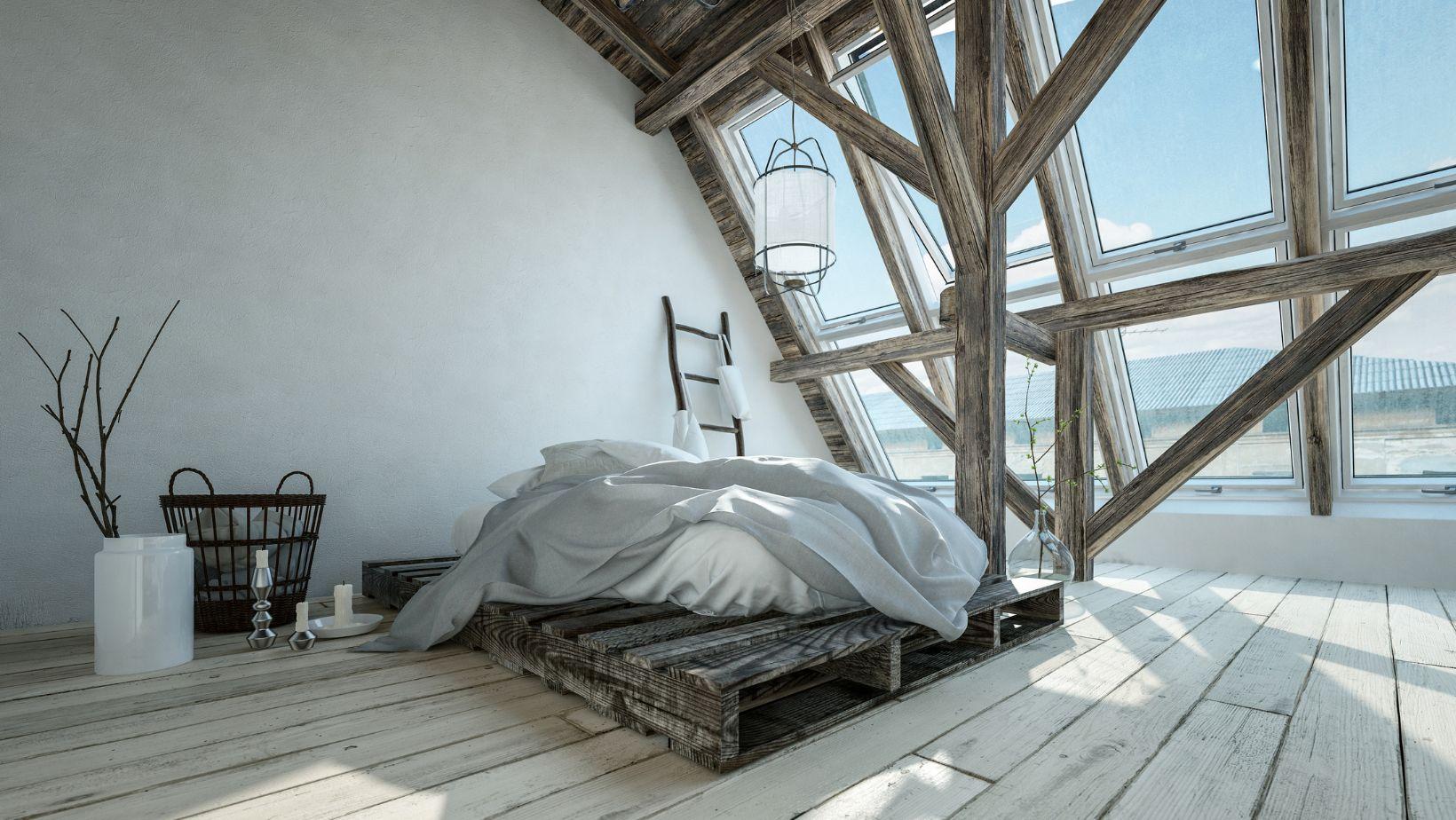
Loft conversions often include sloping ceilings, reduced head height at the edges, and structural elements that can’t be hidden. In dim conditions, those features can make a room feel smaller. Bring in daylight from above, however, and the same angles start to feel characterful rather than limiting.
Roof-level glazing is especially effective because light from above reaches deeper into the floor plan than light from a standard vertical window. That matters in lofts, where the central portion of the room is usually the most usable area.
Better light can reduce daytime energy use
This is the obvious benefit, but it is still significant. A loft that receives balanced daylight is less dependent on electric lighting for work, reading, dressing, or general use. That matters more in converted attics than people assume, because these spaces are often used as home offices, hobby rooms, or bedrooms where good ambient light affects everyday comfort.
In practice, that means considering window placement, orientation, and glazing performance rather than simply adding the largest opening that fits. Well-chosen energy-saving roof windows for loft conversions can help bring in useful daylight while also supporting thermal efficiency, which is important in a room exposed directly to the roofline.
Ventilation is what keeps the room comfortable year-round
Light may draw people into a loft conversion, but ventilation is what makes them want to stay there.
Stale air and trapped heat build up quickly
Because heat rises, lofts are naturally vulnerable to stuffiness. Add modern insulation and a warm spell, and you can end up with a room that feels uncomfortable by mid-afternoon. This is one reason homeowners sometimes regret converting a loft into a bedroom without thinking through ventilation strategy.
Opening windows helps, but not all ventilation is equally effective. The real goal is controlled airflow: drawing in fresh air while allowing warm, moisture-laden air to escape.
Moisture control matters more than many realise
Loft rooms used as bedrooms, bathrooms, or studios can generate a surprising amount of humidity. Without adequate ventilation, that moisture can linger, increasing the risk of condensation on glazing, musty smells, and in some cases long-term damage to finishes or timber elements.
This is especially relevant in the UK, where outside temperatures and indoor humidity often create ideal conditions for condensation during colder months. Good ventilation reduces that risk before it becomes a maintenance problem.
How roof windows improve both light and airflow
The most effective loft designs often solve both issues at once. Roof windows are a good example because they can introduce daylight from above while also supporting natural ventilation.
Using the stack effect to your advantage
Warm air rises, so openings at roof level are well positioned to release built-up heat. If paired with lower-level windows elsewhere in the house, roof windows can help create a natural flow path for air. This is a simple but powerful principle: fresh air enters low, warm air exits high.
That passive approach can make a noticeable difference in summer, particularly in south-facing lofts.
Placement matters as much as size
A single oversized window will not automatically create a well-lit, well-ventilated room. Often, two smaller roof windows positioned thoughtfully deliver better results than one large unit. Spacing can help spread daylight more evenly and create more reliable airflow across the room.
Designers also need to consider:
Orientation and glare
South-facing roof windows bring strong daylight and useful winter sun, but they can also increase solar gain in summer. East-facing windows tend to suit bedrooms well, while north-facing glazing offers softer, more consistent light for studios or home offices.
Design choices that improve long-term performance
A comfortable loft conversion depends on more than ticking a box for ventilation and adding a rooflight. The best results come from treating light, heat, and air movement as connected issues.
Think in terms of daily use. Will the room be occupied all day? Does it need blackout control at night? Is overheating likely because of roof orientation? Will moisture be high because there’s an en-suite? These practical questions usually lead to better decisions than aesthetics alone.
It also helps to future-proof the space. A loft that works as a guest room now may become a teenager’s bedroom, office, or main suite later. Flexible daylight and ventilation options make that transition much easier.
A loft conversion should feel like part of the home, not an afterthought
The best loft conversions do not feel like compromised spaces squeezed under a roof. They feel airy, balanced, and easy to live in. Natural light gives the room presence. Ventilation gives it resilience.
When both are considered early, a loft becomes more than an extra room on paper. It becomes a space people actively choose to spend time in, across seasons and over years. And in a part of the house that is uniquely exposed to heat, humidity, and changing light, that level of comfort is never accidental.