 Mylarith Qynthoril
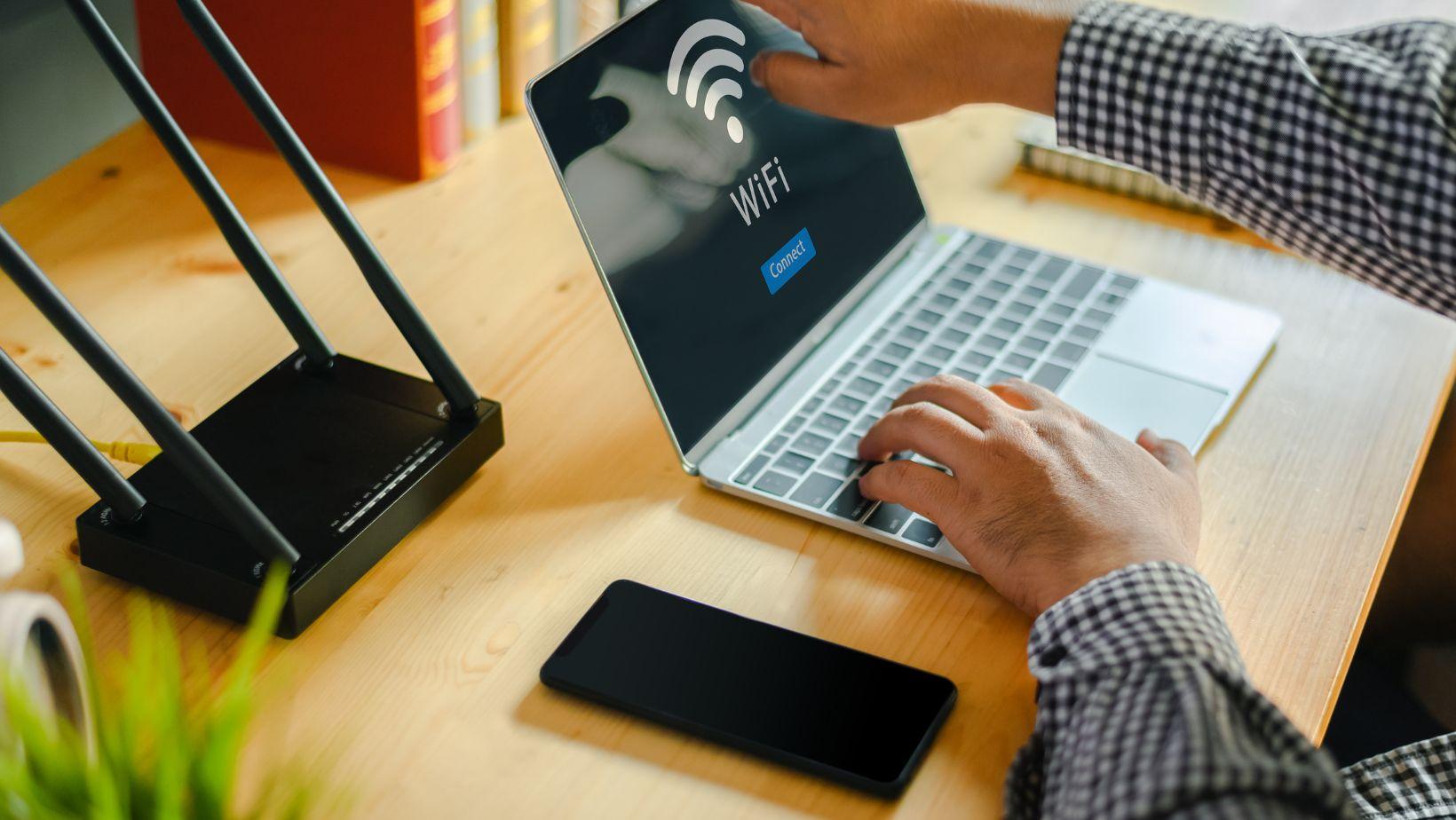
Router placement is a functional element of a residence because the location affects wireless signal strength and how residents navigate living areas. Technicians often install equipment where the service line enters the building but this spot is not always effective for signal distribution. Strategic placement helps minimize areas with poor connectivity while keeping wires and furniture organized.
Consider The Central Location
Installing the router near the middle of the residence helps distribute wireless signals equally to different rooms. If a device is at one end of the building, distant rooms are likely to have slow data speeds, while closer areas receive more signal than required. A central location is a way to maximize the coverage area and avoid the cost of extra hardware.
Building dimensions and shapes are also important factors – Open floor plans allow a router to reach multiple zones from one high shelf. Residences with multiple floors, masonry walls or many separate rooms are more complex to configure. Identifying where residents frequently use laptops or phones is a helpful step before furniture makes moving equipment difficult.
Keep The Router Away From Obstructions
Building materials and household items are obstacles for wireless signals. Metal appliances and wooden cabinets can block the path between the router and electronic devices. Storing the hardware inside a cupboard is a way to hide equipment but this choice is likely to block the signal and prevent air from cooling the device.
Furniture arrangements are therefore relevant to networking – A router on a high, open surface is more effective than a device behind a television or under a desk. Keeping the hardware visible is also a way to ensure that status lights and ports are accessible for maintenance.
Match Placement With Daily Activities
The most effective location is one that serves the specific habits of the residents. If a study or media room contains many devices, placing the router near these areas is practical. Televisions and gaming consoles are dependent on a consistent connection.
Focusing the signal on only one room is a risk to coverage in other areas. Bedrooms and kitchens are also locations where residents may require home internet access. Evaluating the entire floor plan is a method to balance connectivity across all rooms rather than prioritizing a single spot.
Plan Around Internet Connections
The entry point of the internet service is a physical constraint for the router. Moving the device away from this point is often a cause for longer wires or professional installation. Residents can examine the equipment provided by the internet providers to see which parts must stay near the wall jack.
Cable organization is another priority – Wires on the floor or in doorways are unattractive and are potential hazards for tripping. Attaching cables to baseboards or hiding them behind furniture is a way to keep the room tidy. A planned location is one that provides space for wires without creating messy paths.
Protect Access And Ventilation
The router is best placed in a spot that is easy to reach but out of the way of walking paths. Accessibility is useful when the hardware is in need of a restart or a settings check. Placing equipment behind heavy wardrobes is a reason that simple maintenance becomes difficult.
Air circulation is also a requirement for electronic hardware. Routers are sources of heat – enclosing them or stacking papers on them is a risk for overheating. An open, flat surface is a way to provide ventilation while allowing the device to remain part of the room decor.
Conclusion
Router placement is a part of interior design rather than a secondary task. A correct location is a way to provide stable internet, lower wire clutter and allow for easy equipment maintenance. By analyzing signal paths, resident activities and the shape of the building, residents are able to create a home that is both comfortable and connected.